Teodoro says U.S. access to Philippine bases limited by delays
Teodoro said only marginal U.S. use of Philippine bases had materialized as land and tenure disputes slowed work at nine EDCA sites.
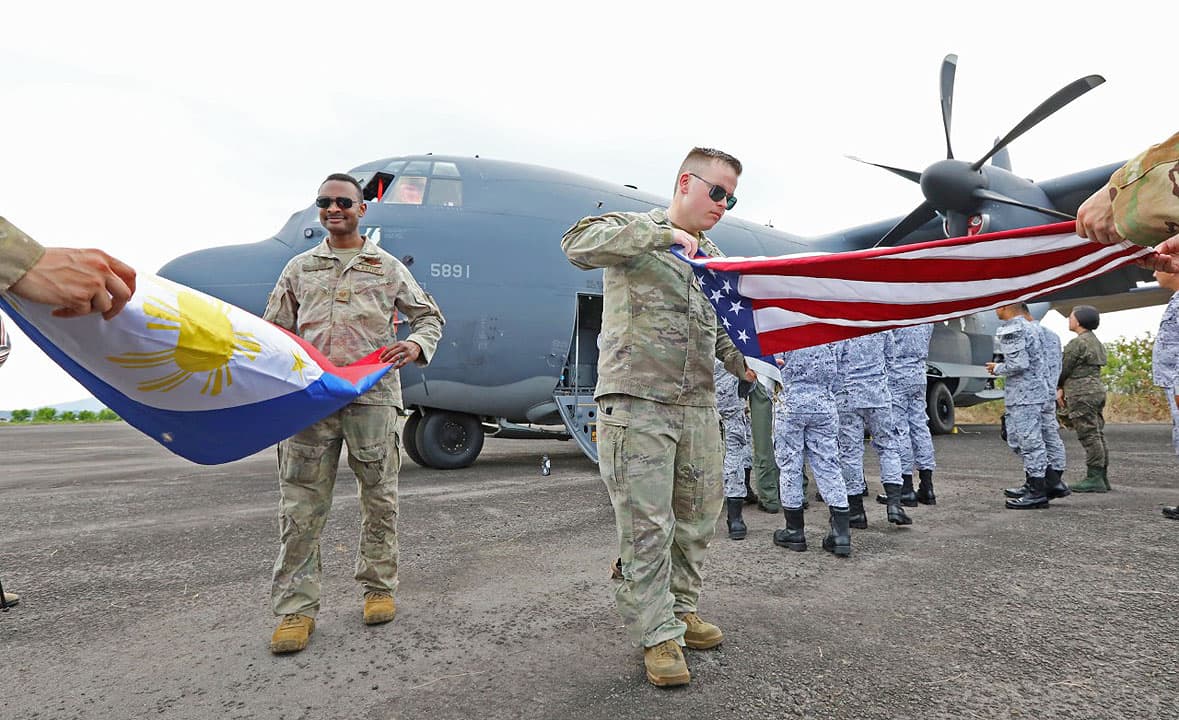
Philippine Defense Secretary Gilberto Teodoro Jr. said the United States had only made “marginal” use of Philippine bases opened under the Enhanced Defense Cooperation Agreement, blaming unresolved land and tenurial issues for slowing construction and other work at the sites.
The delay has left some of the facilities without an air force presence and has made it harder to turn diplomatic commitments into usable airstrips, warehouses and command posts. Teodoro did not identify which locations were moving slowest, but he said the government still had to settle ownership and tenure questions before the projects could be fully developed.
The problem lands at the center of a security partnership that Washington and Manila have spent years expanding. EDCA is part of a wider framework that also includes the 1951 Mutual Defense Treaty and the 1998 Visiting Forces Agreement. It gives U.S. forces rotational access to agreed Philippine locations for joint training, security cooperation and humanitarian assistance, but it does not authorize permanent American bases.
Manila and Washington first identified five EDCA sites in 2016. They added four more on April 3, 2023, bringing the total to nine. The new sites were Naval Base Camilo Osias in Santa Ana, Cagayan, Camp Melchor Dela Cruz in Gamu, Isabela, Balabac Island in Palawan and Lal-lo Airport in Cagayan. Those additions put U.S.-backed infrastructure closer to Taiwan and the South China Sea, two flash points in the worsening rivalry with China.
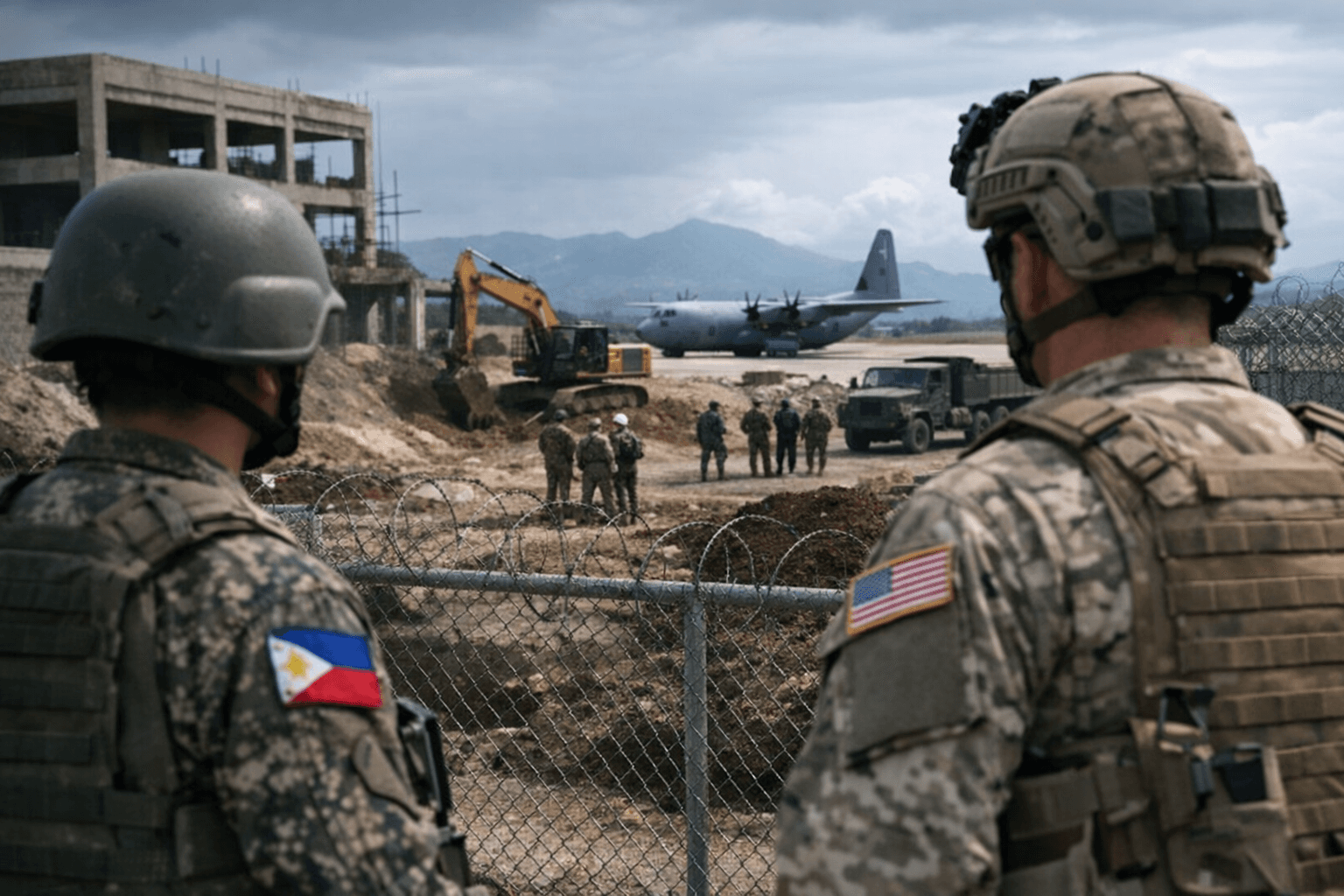
U.S. officials said in 2023 that both governments would move quickly on plans and investments for the new and existing locations. The Pentagon said then that the United States had allocated more than $82 million for infrastructure at the original five sites. But a Center for Strategic and International Studies and Asia Maritime Transparency Initiative review published on October 12, 2023, said implementation had stalled during the Duterte administration, even as the Philippine military made significant upgrades at the five sites first named in 2016.
The two governments also signed Bilateral Defense Guidelines on May 3, 2023, to modernize alliance cooperation and clarify how treaty commitments would work in practice. Teodoro’s comments underscored the gap between that paper architecture and the legal, land and permitting work needed to make the sites fully operational, leaving a bigger alliance with only a limited military payoff so far.
This article was produced by Prism’s automated news system from verified source data, official records, and press releases, then run through automated quality and moderation checks before publishing. The system is built and supervised by the people who set the standards it runs under. Read our full AI policy.
Did this article answer your question?


