Musk summoned by French prosecutors over X and Grok investigation
French prosecutors put Elon Musk in their sights, testing whether X’s algorithms and Grok’s outputs can trigger personal liability for the platform owner.
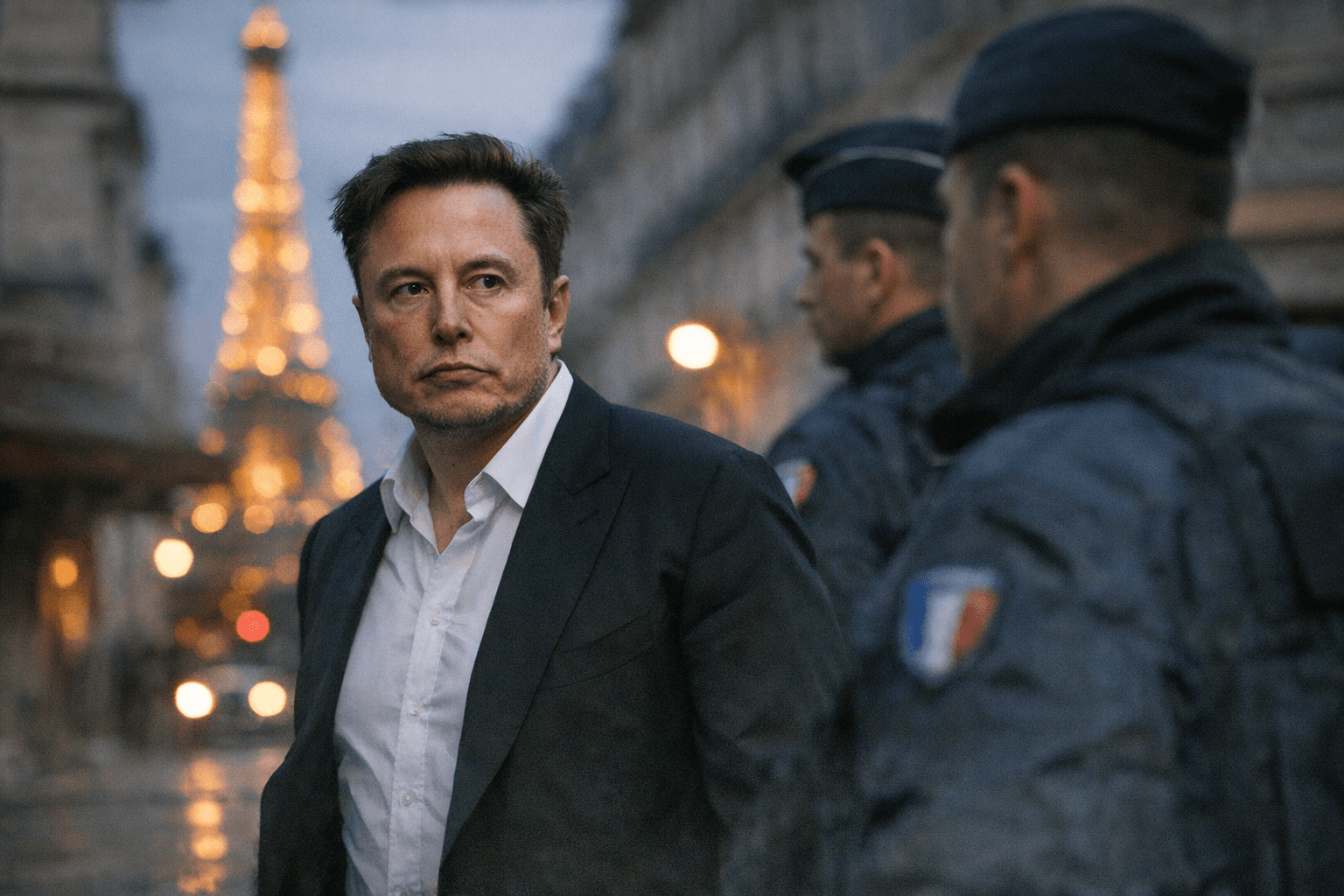
French prosecutors are probing more than one platform and more than one product. By summoning Elon Musk into a criminal investigation touching X and its Grok chatbot, Paris is testing whether accountability for online harm can reach the owner personally, not just the company.
Musk was scheduled to appear before French prosecutors on April 20, 2026, but did not show. The Paris prosecutor’s office said the investigation began in January 2025 and that cybercrime investigators raided X’s Paris office in February 2026 before setting the interview date. French authorities said the appearance was described as mandatory, but at that stage they could not compel Musk to attend.
The probe centers on suspected abuse of algorithms and fraudulent data extraction, a legal theory that treats platform design and data practices as possible criminal conduct rather than simply corporate policy. Prosecutors later expanded the case to include suspected complicity in the distribution of child pornography, sexual deepfakes generated by Grok, and alleged hate speech or antisemitic content. That expansion puts X’s moderation systems and Grok’s behavior at the center of a broader question: when does a platform owner become personally exposed for what the system does at scale?
The case is being watched closely because it lands at the intersection of platform governance, artificial intelligence, free speech and transatlantic politics. X has denied the accusations and called the French investigation politically motivated. The U.S. Department of Justice declined to cooperate with the French probe, underscoring how sharply the dispute cuts across the Atlantic divide over Big Tech regulation and First Amendment concerns.
France is also not alone in scrutinizing Grok. Regulators in the United Kingdom and the European Union have examined the chatbot over sexualized or harmful AI-generated content, signaling that Paris is part of a wider European push to force clearer lines on moderation, chatbot conduct and platform responsibility. If French prosecutors succeed in stretching criminal scrutiny from X’s systems to Musk himself, the case could become a template for how European authorities hold executives to account when AI tools and social platforms amplify abuse, misinformation or illegal content.
Know something we missed? Have a correction or additional information?
Submit a Tip