Trump says he's not under pressure as Iran peace talks remain unclear
Trump brushed off pressure, but Iran’s refusal to join talks and the ticking ceasefire deadline left Washington with fewer real options. Markets already jolted as the Strait of Hormuz became the flashpoint.
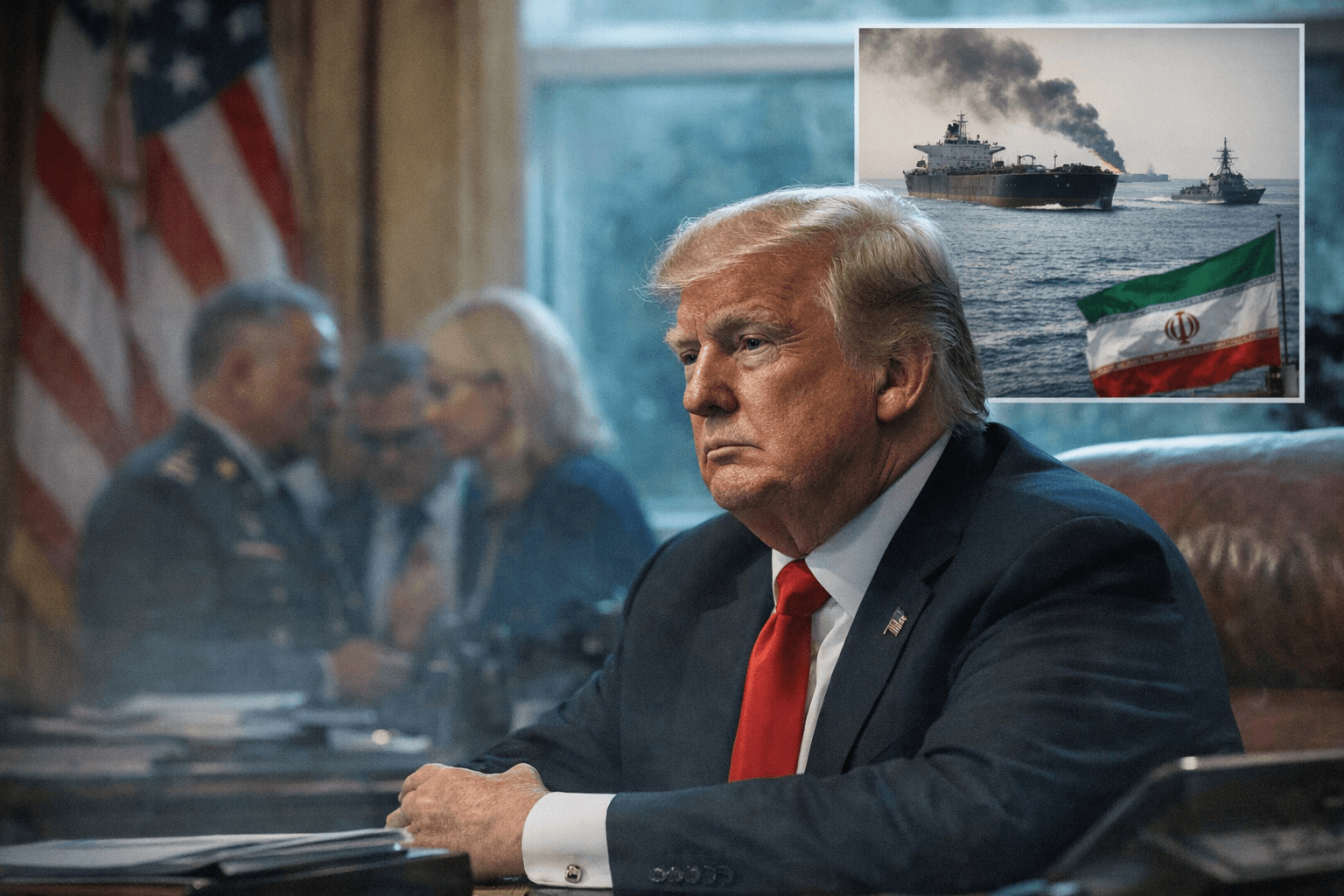
President Donald Trump tried to project calm as the ceasefire with Iran approached expiration, but the terms on the table suggested a narrower U.S. hand than his rhetoric implied. He said he was not under pressure, yet the diplomatic track remained uncertain, Iran had not accepted Washington’s latest demands, and the region was already feeling the strain of a confrontation centered on the Strait of Hormuz.
The standoff intensified after U.S. forces fired on and seized an Iranian vessel, deepening fears that a shipping dispute could spill into a wider conflict. CBS News reported that Trump sent a U.S. delegation to Pakistan for another round of negotiations, identifying the team as Vice President JD Vance, special envoy Steve Witkoff and Jared Kushner. But Iran state media said Tehran did not plan to participate, and Al Jazeera reported that Iran signaled it had no negotiators headed to Islamabad, undercutting Pakistan’s effort to host multiday talks.
Trump’s public warning left little doubt about what failure could bring. He told PBS News that if the ceasefire expired, “lots of bombs start going off.” CNBC reported the same message on April 20, saying Trump threatened overwhelming military force if no deal was reached before the shaky ceasefire expired Tuesday evening, April 22, 2026. The White House has still framed the U.S. position as positive on a deal, Reuters reporting cited by CNBC said, but the status of the talks remained unclear as the clock ran down.
The latest diplomacy sits atop a volatile energy crisis. Reuters reported that oil prices fell about 9% after Iran briefly reopened the Strait of Hormuz, then jumped more than 6% when fears grew that the ceasefire could collapse and the waterway could close again. That chokepoint carries enormous global significance, and any prolonged shutdown would threaten tanker traffic, shipping security and energy costs far beyond the Gulf.
The larger risk is that the gap between Trump’s confidence and the limitations of his leverage could close through escalation rather than agreement. Earlier, Trump agreed to a two-week ceasefire and called an Iranian peace proposal “a workable basis on which to negotiate.” Now Iran is rejecting the latest U.S. terms, the Pakistan talks are in doubt, and the Strait of Hormuz remains one misstep away from turning a diplomatic standoff into a broader regional crisis.
This article was produced by Prism’s automated news system from verified source data, official records, and press releases, then run through automated quality and moderation checks before publishing. The system is built and supervised by the people who set the standards it runs under. Read our full AI policy.
Did this article answer your question?