Japan issues rare megaquake advisory after 7.7 quake, tsunami warnings lifted
A 7.7 quake off northeastern Japan set off tsunami warnings, then a rare one-week megaquake advisory for 182 towns as officials weighed a 1% risk.
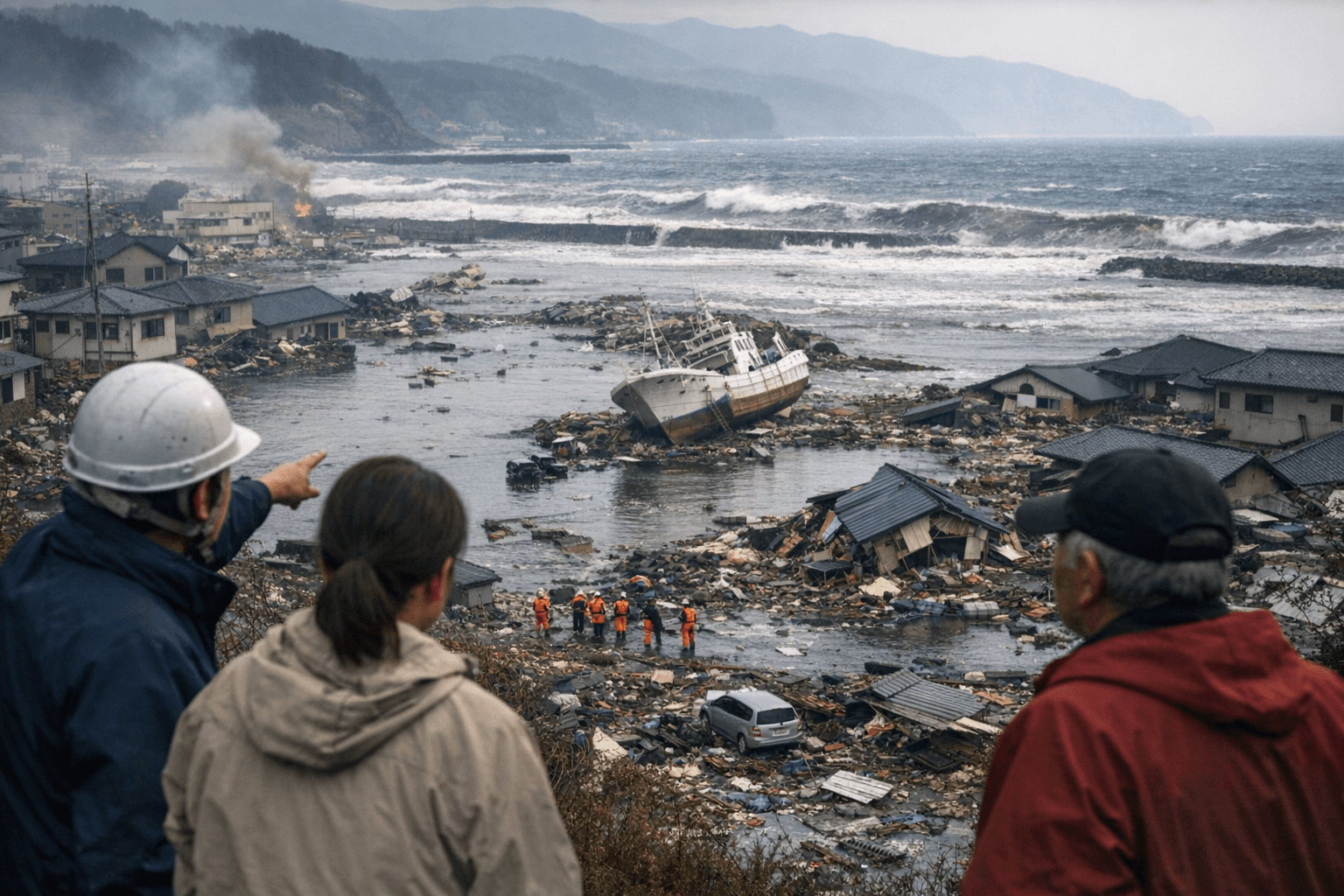
Japan kept coastal communities on edge after a magnitude 7.7 earthquake struck off the Sanriku coast of Iwate Prefecture at 4:53 p.m. local time, briefly triggering tsunami warnings before they were downgraded and then lifted. The highest observed wave was about 80 cm at Kuji Port in Iwate, below the level that had prompted initial warnings for waves as high as 3 meters. Officials said there were no immediate reports of casualties or major damage.
The bigger concern came after the water receded. Japanese authorities issued a rare subsequent-earthquake advisory, warning of a higher short-term risk of another large quake along coastal areas in Hokkaido and Tohoku. The alert covered 182 towns and cities and was framed not as a prediction, but as a precaution for roughly the next week, when the chance of a magnitude 8.0 or stronger quake was put at about 1 percent, compared with the normal 0.1 percent level.
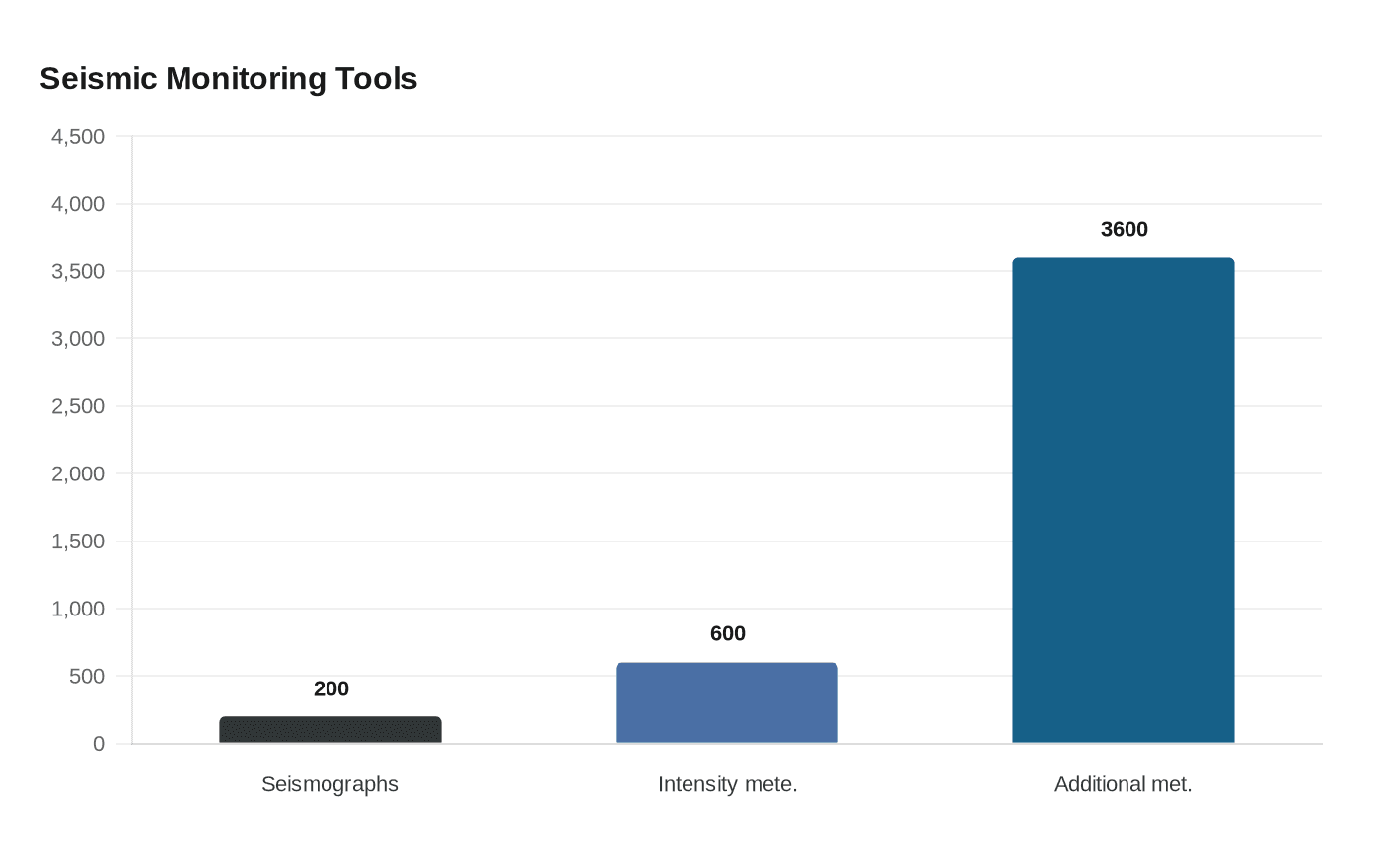
That distinction matters in a country where seismologists can track danger but cannot say exactly when the next rupture will come. The Japan Meteorological Agency, which issues earthquake information including hypocenter, magnitude, seismic intensity and tsunami potential, uses its warning system to estimate where dangerous waves may strike and how high they could be. The agency also operates about 200 seismographs and 600 seismic intensity meters, alongside more than 3,600 additional meters managed by local governments and the National Research Institute for Earth Science and Disaster Resilience.
The advisory reflected Japan’s approach to public safety under uncertainty: keep people informed, avoid panic and leave room for daily life to continue. Officials urged residents in the affected northeastern coastal belt to stay prepared while going about normal routines, a message designed to reinforce readiness without suggesting that a second quake is inevitable. A similar advisory issued after a magnitude 7.5 quake off Aomori Prefecture in December 2025 did not lead to a larger event, underscoring both the usefulness and the limits of the warning.
Even after the tsunami warnings were lifted, the aftermath showed why Japan remains on alert after strong offshore quakes. The coast faces complex seismic hazards from the Japan Trench and Chishima Trench, and a single large rupture can shake confidence long after the first waves have passed. In that gap between what science can measure and what it cannot predict, Japan’s emergency messaging is built to do one thing above all: prepare people for what might still come.
This article was produced by Prism’s automated news system from verified source data, official records, and press releases, then run through automated quality and moderation checks before publishing. The system is built and supervised by the people who set the standards it runs under. Read our full AI policy.
Did this article answer your question?


