Brewery pasta class delights but logistics leave attendees kneading
An attendee enjoyed a hands-on pasta workshop but noisy brewery space and limited equipment stretched the session and left hygiene concerns. Check venue and gear before you book.
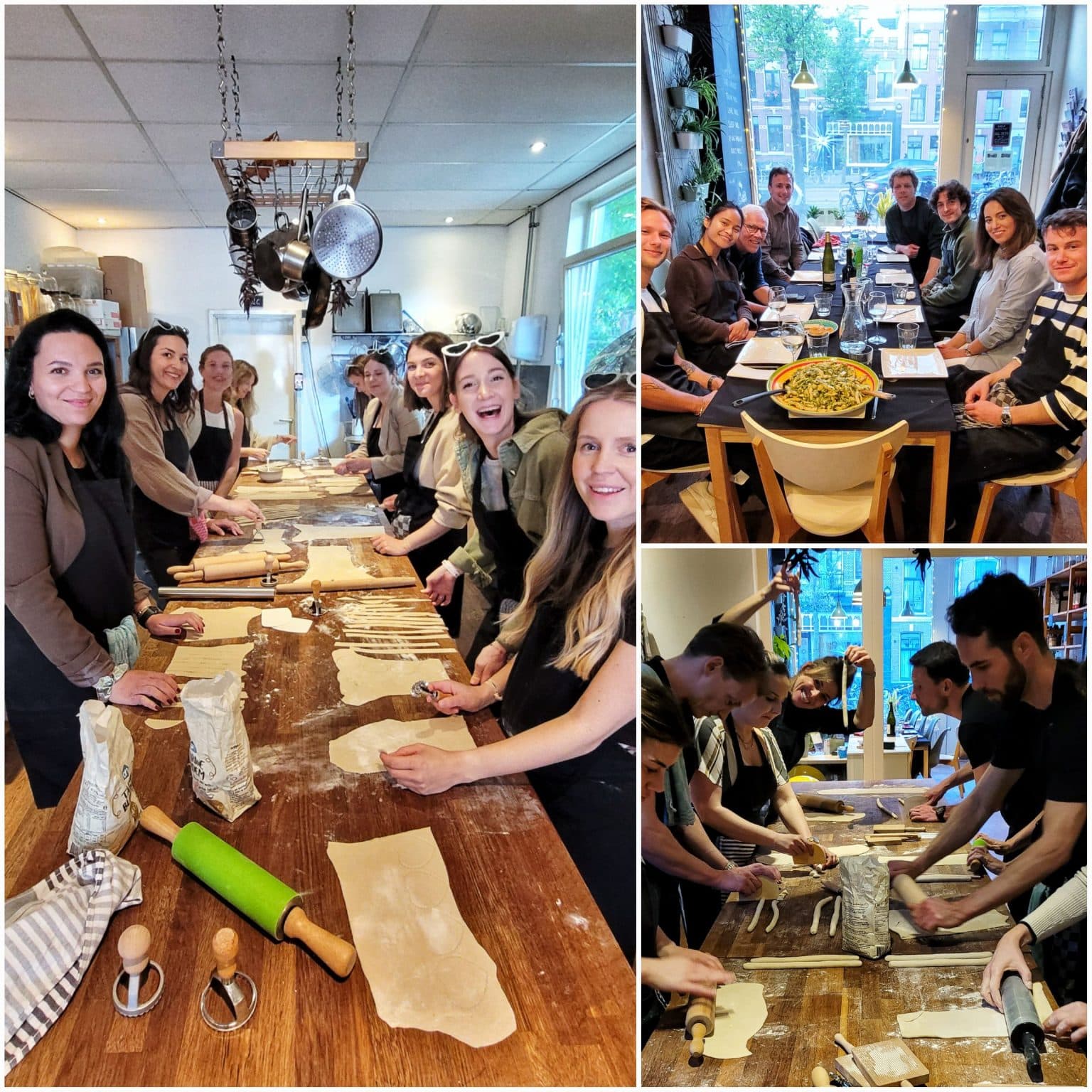
A first-time pasta maker called the Classpop! Nashville workshop at Marble Fox Brewing Company a fun introduction to homemade pasta but flagged execution issues that affected the experience. The participant rated the session 3 of 5 after an evening that combined kneading, rolling fettuccine, and a fresh marinara but ran longer than expected and proved uneven for the group.
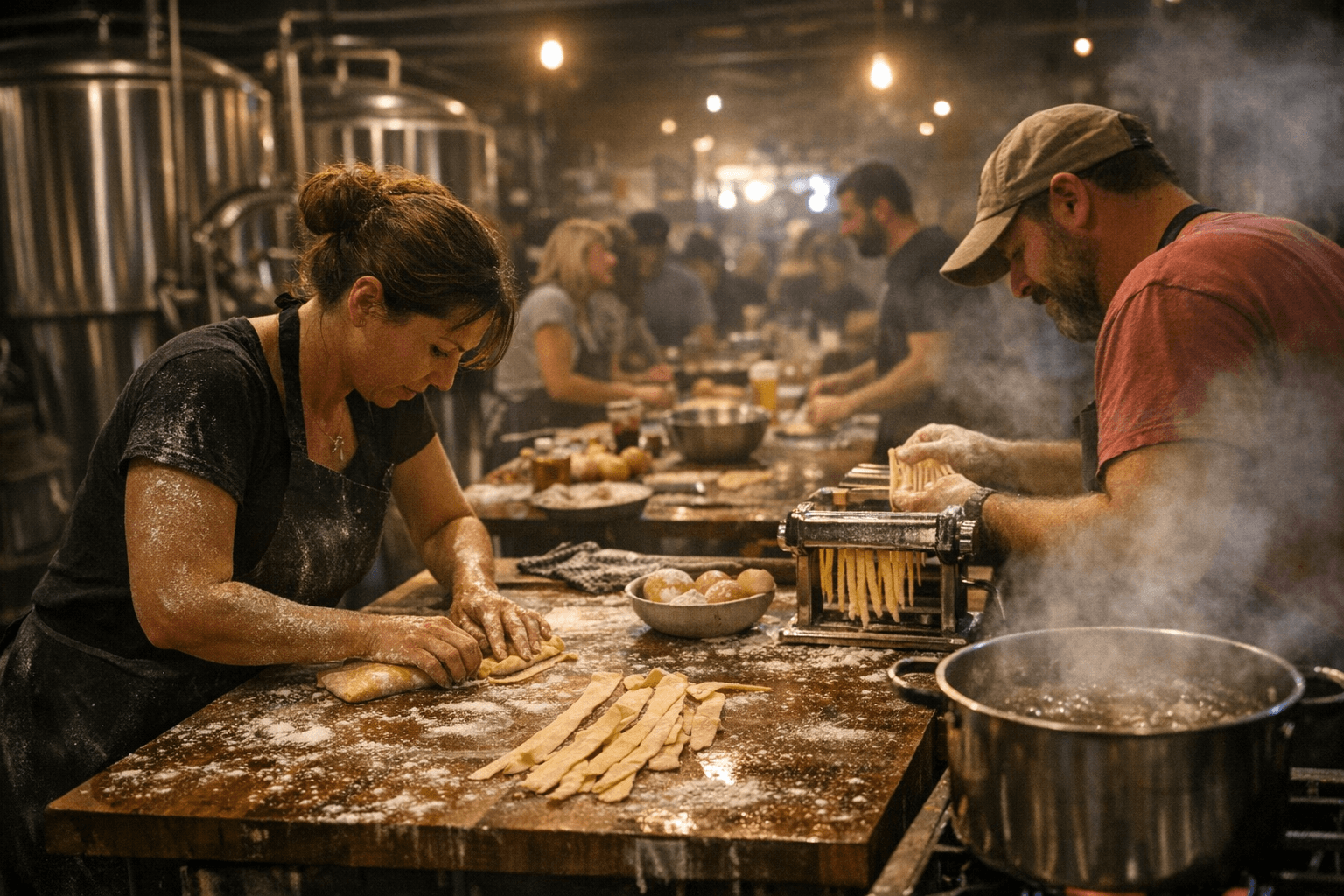
The class is advertised as a hands-on, 2-hour experience for groups up to 25, and the curriculum covers dough work and basic shaping. In practice, one attendee found the brewery venue noisy and said it was hard to hear instructions. The event offered no wine, which some expect at an evening food craft session, and that contributed to the sense that the location was not ideal for a step-by-step class.
Logistics were the other major friction point. The session relied on a single mixing bowl shared among participants and only two pasta press machines for the whole group. Early participants finished quickly, while those at the back of the line ended up last and saw the advertised 2-hour class stretch past two hours. Despite the operational snags, the attendee praised the instructor and his son as friendly and helpful. The reviewer suggested the host add more machines and choose a quieter, cleaner spot for future classes, noting that very hygiene-conscious people might feel uncomfortable in the brewery setting.
For people planning to try a community pasta workshop, these details matter. Confirm what equipment will be available and how many participants are booked before you arrive. If you prefer focused instruction, ask whether the host runs smaller groups or offers private sessions where you can get hands-on time without long waits. Arrive early to secure an earlier spot on shared equipment and check whether the venue has seating or space suited to a cooking class rather than a busy taproom.
Class organizers and venues running pasta nights also can take away clear fixes: increase the number of mixing bowls and presses, pick quieter or more kitchen-friendly spaces, and set realistic time expectations if equipment is limited. Small changes would keep the hands-on joy of making fresh pasta while smoothing the logistics that turned one eager beginner into a patient one.
This account highlights that community pasta nights remain a great way to learn a new skill, but the experience depends on planning and setup. If you’re booking a workshop, verify gear and acoustics up front so your first batch of fettuccine comes out al dente and on time.
Sources:
Know something we missed? Have a correction or additional information?
Submit a Tip