Brief Mindful Aging Memory Program Improves Cognitive, Emotional Outcomes in Older Adults
A brief Mindful Aging Memory (MAM) program found short (≤10 minute) practices feasible and acceptable for diverse older adults, with participants reporting cognitive and emotional benefits.
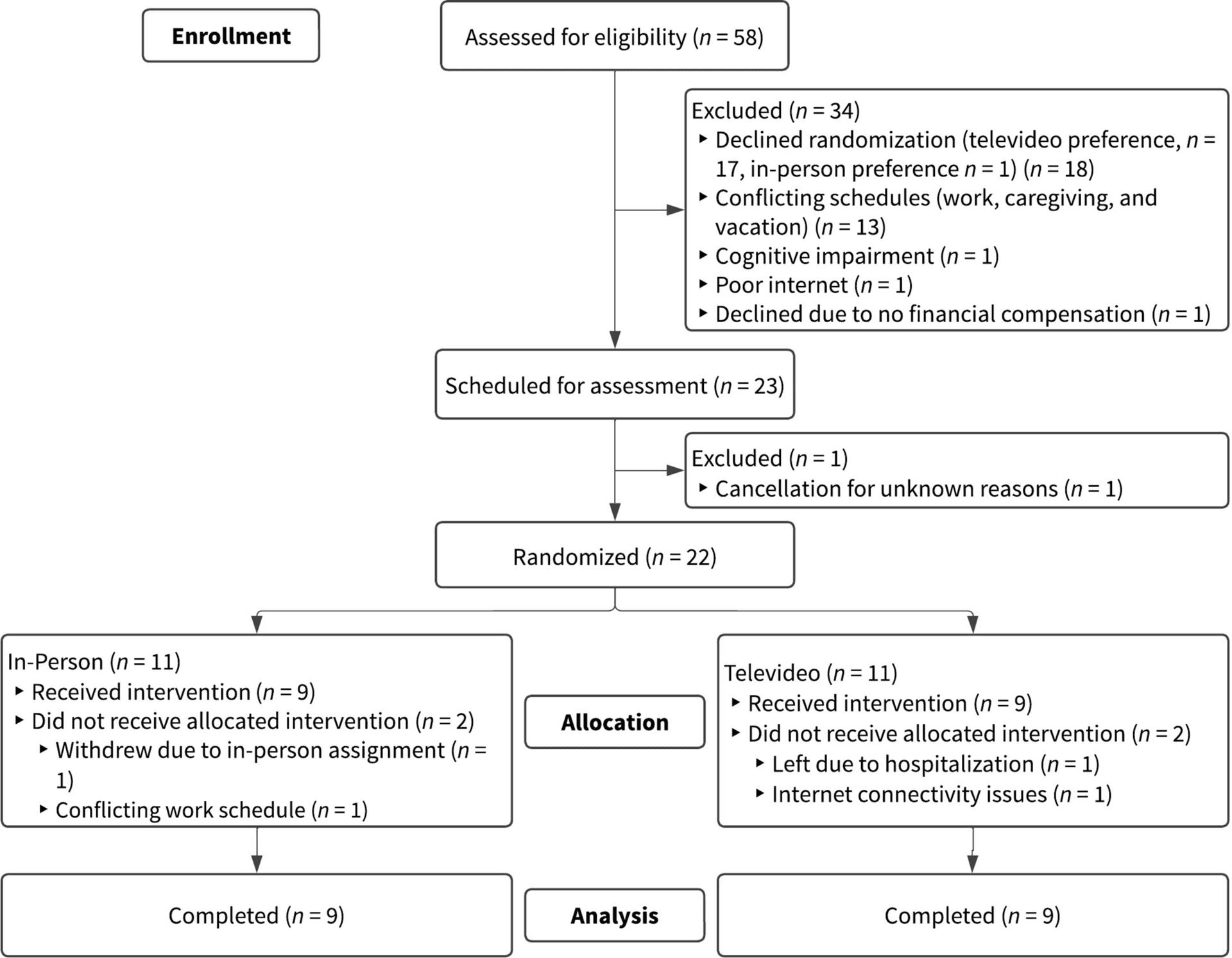
Researchers running the Mindful Aging Memory (MAM) program tested whether very short mindfulness sessions could work for older adults and found promising results for feasibility and acceptability. The program reports two linked studies that focused on brief meditative practices of 10 minutes or less among socioeconomically and cognitively diverse older adults, and participants reported improved cognitive and emotional well-being.
Study 1 enrolled 23 low-income older adults and delivered an introductory mindfulness workshop. Acceptability was assessed through an anonymous survey, and initial findings indicated strong acceptance among attendees. Study 2 randomized 22 participants into a brief 4-week mindfulness-based intervention (MBI) and compared delivery by in-person versus televideo formats. Sessions in both studies included formal and informal practices with homework assignments, and assessments were performed at baseline and post-intervention in Study 2.
The MAM authors conclude: “This data provides support for the feasibility and acceptability of brief mindfulness practices with cognitively and socially diverse older adults. Participants universally reported cognitive and emotional benefits of brief mindfulness practice. These results support the notion that even a few minutes of mindfulness practice can provide cognitive and emotional health benefits.” The report also notes a transparency detail: “This study is not preregistered.”
Contextual literature in the compiled sources underscores why brief interventions matter. Longer, full-length programs such as MBSR have dominated geriatric mindfulness research, but shorter formats promise better accessibility for seniors who face mobility, health, or cognitive limits. Background excerpts highlight mechanisms like decentering and cite other trials that used eight weekly sessions and targeted components such as guided imagery or decentering-focused training; one related caution reads that “it is possible that abbreviating the intervention reduces participants’ exposure to certain mechanisms, highlighting the need to identify which components are most critical for improving outcomes.”

Important limitations remain in the previewed material. The MAM report provides sample sizes (n=23; n=22) and study structure but does not disclose demographic breakdowns, the specific cognitive or mood measures used, quantitative effect sizes, or full methods in the public preview. The full text appears behind a publisher subscription and likely contains those details; access requires institutional login for the complete methodological and statistical record.
For meditators, caregivers, and community program leaders, the practical message is clear: brief, manageable sessions may be a viable entry point for older adults, and they can be delivered in-person or by televideo. At the same time, identify which practices you use and track outcomes locally, because researchers note that shorter programs may omit important therapeutic components. The next step is wider trials with larger samples and transparent methods so communities can adopt evidence-based, scalable mindfulness routines with confidence.
Know something we missed? Have a correction or additional information?
Submit a Tip