Britain and France prepare minesweepers for postwar strait security
Britain and France are lining up minesweepers for the strait’s first postwar security test, as Europe weighs a bigger role in guarding global chokepoints.
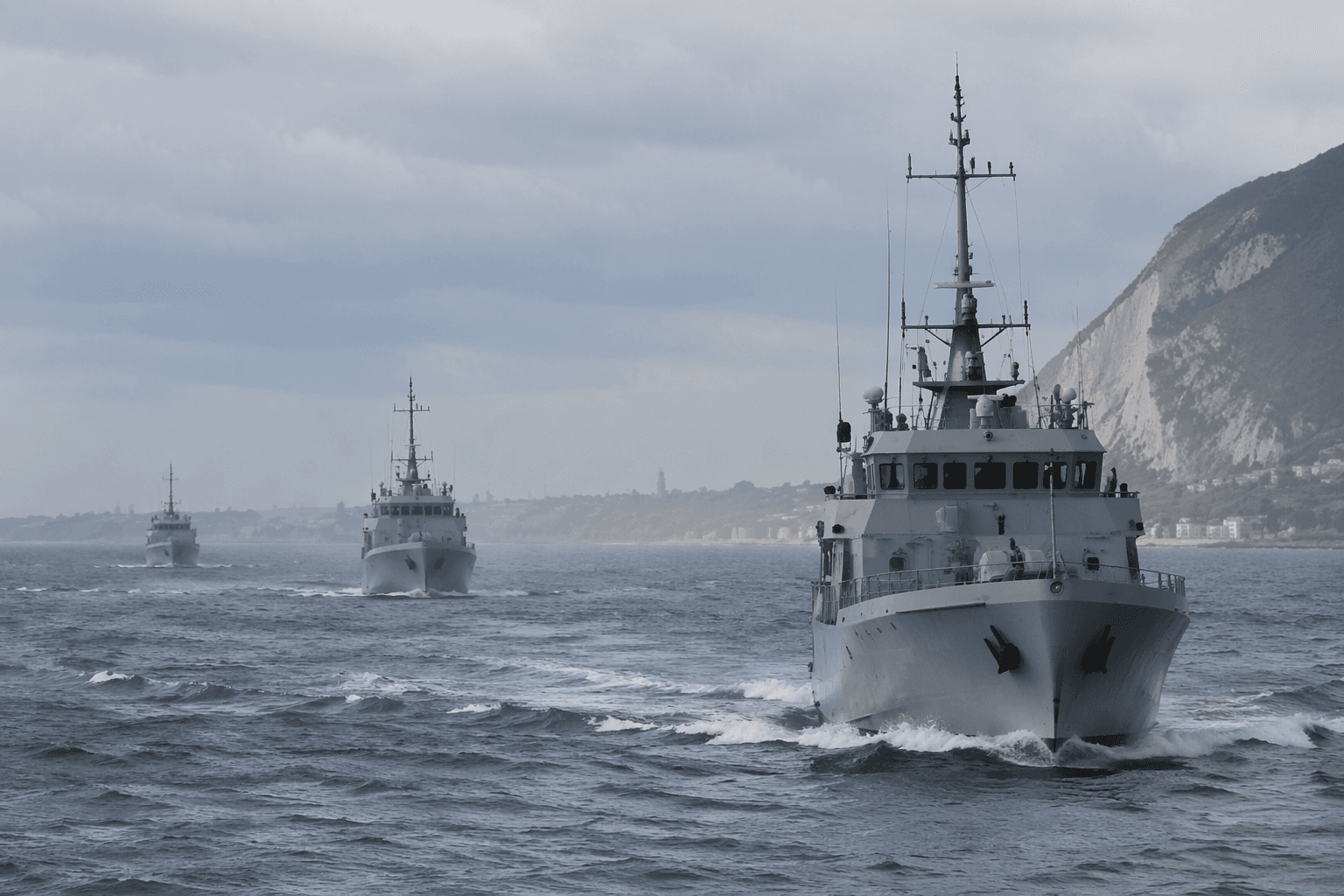
Britain and France had spent months preparing a coalition of minesweepers and other ships for the day fighting ended and the strait could be reopened under guard. That day appeared to have arrived, turning a narrow waterway into the first real test of post-conflict maritime stabilization rather than a routine naval deployment.
The mission centers on a simple but difficult job: clear the threat, keep commercial traffic moving and prevent the sea lane from slipping back into chaos. Minesweepers can help detect and remove explosive hazards left in the water, and supporting ships can help monitor the route and reassure shippers. They cannot, by themselves, guarantee that the strait is safe, restore normal trade overnight or remove every risk facing vessels that will still need to cross a damaged security environment.
The coalition led by Britain and France is moving at a moment when the speed of recovery will matter as much as the symbolism of the deployment. Commercial traffic may resume more quickly if ships can be escorted and the waterway is judged passable, but any rebound will depend on how confident insurers, shipping lines and regional authorities are that the passage is truly secure. In practice, that means the first cleared routes may open before broader traffic returns in full force.
The stakes extend beyond one strait. Europe’s decision to put naval assets forward in this setting suggested a larger shift toward protecting global chokepoints with less direct American leadership, especially when access to sea lanes carries immediate economic consequences. For Britain and France, the operation is not only about postwar cleanup at sea. It is also a test of whether European navies can help stabilize trade routes at the moment when the fighting stops, and whether that presence is enough to turn a fragile cease-fire into a functioning maritime corridor.
This article was produced by Prism’s automated news system from verified source data, official records, and press releases, then run through automated quality and moderation checks before publishing. The system is built and supervised by the people who set the standards it runs under. Read our full AI policy.
Did this article answer your question?


