Britain and Netherlands sign £2.4 billion amphibious ship deal
Britain and the Netherlands locked in a £2.4 billion pact for new amphibious transport ships as NATO allies pressed Europe to spend more on defense.
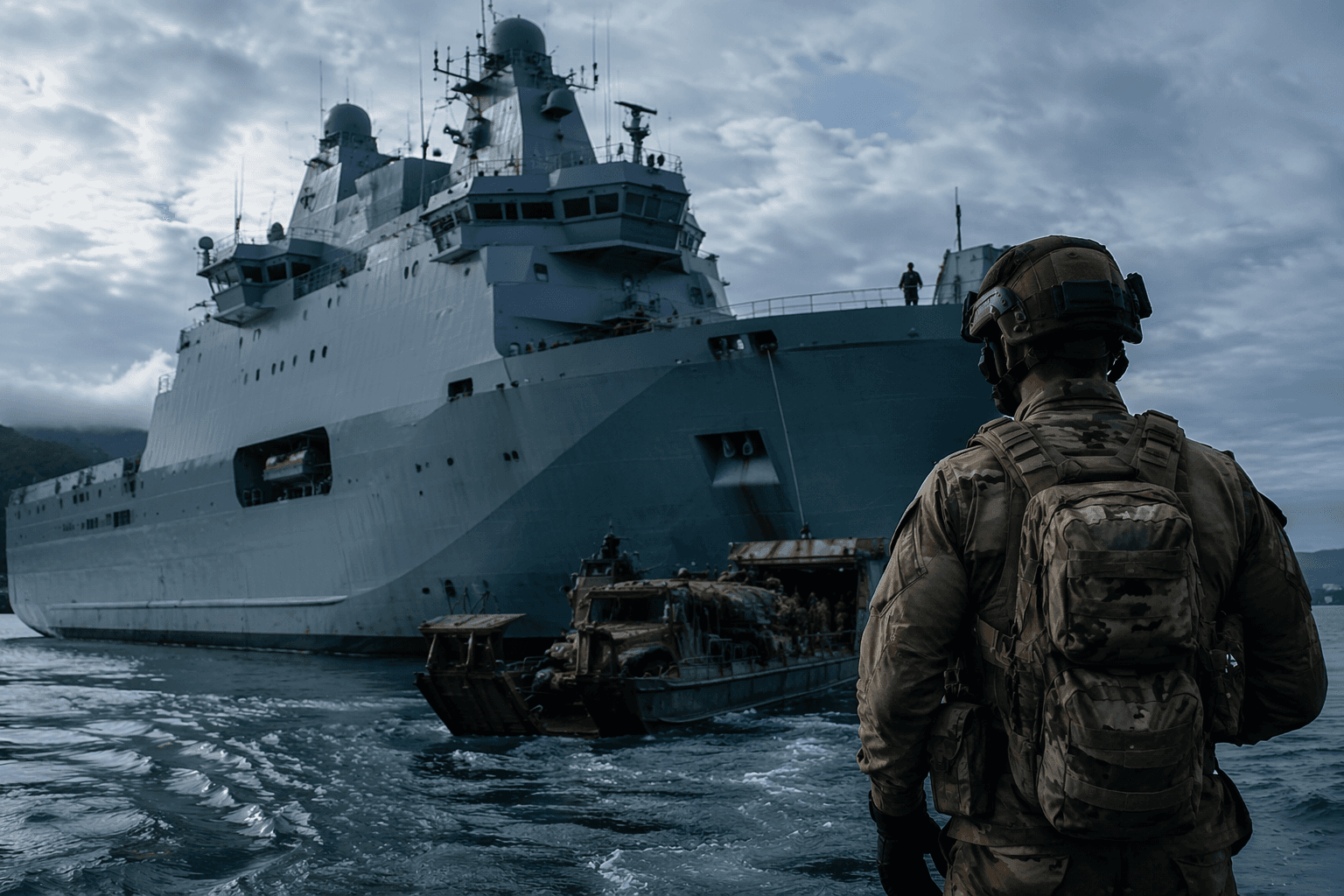
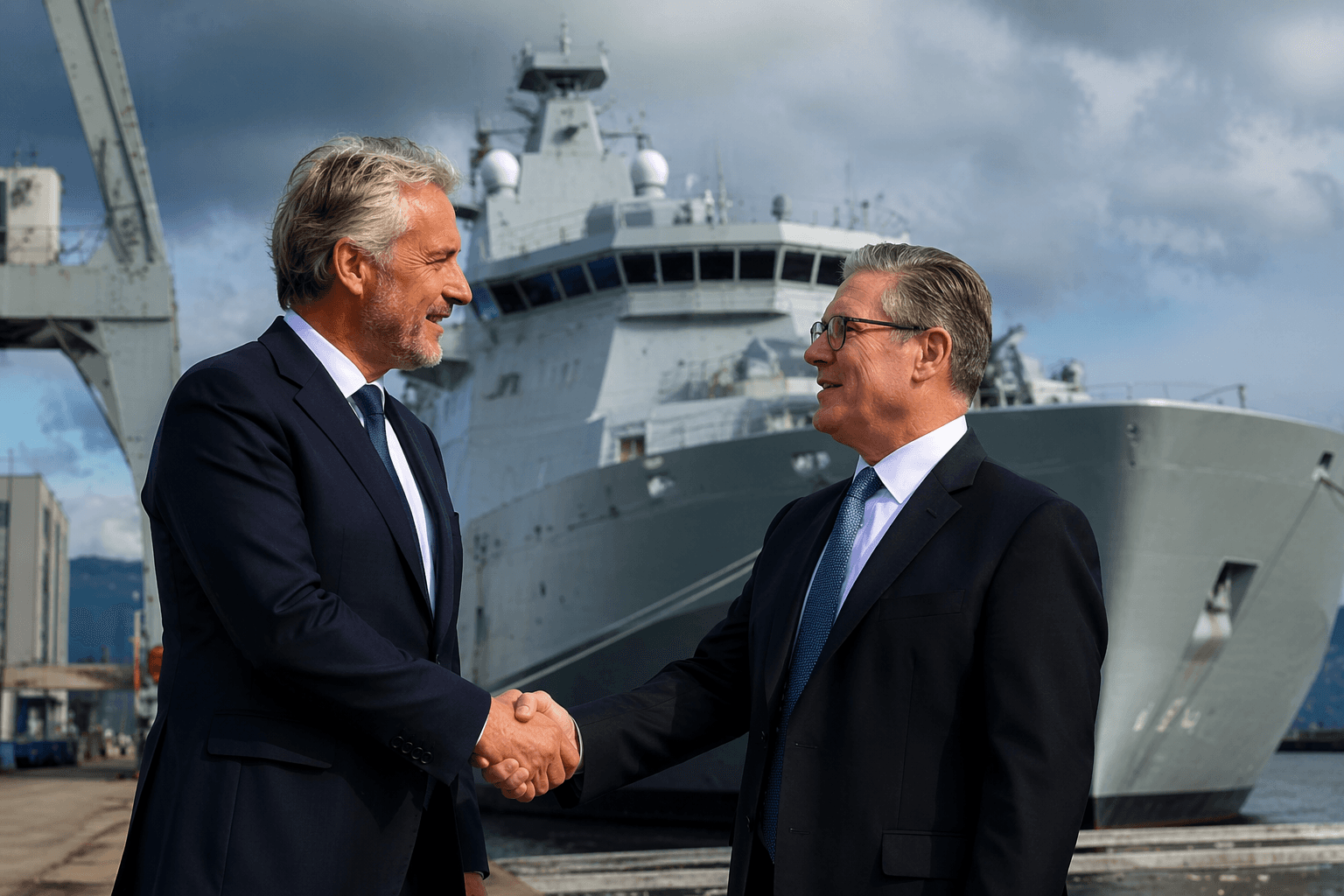
Britain and the Netherlands signed a £2.4 billion, about $3.2 billion, maritime partnership on Tuesday to equip their forces with new amphibious transport ships, putting ship procurement at the center of Europe’s wider rearmament drive. The agreement was announced by the British government and signed on the sidelines of the NATO summit in Ankara, where allies were under pressure to show they were increasing defense commitments.
Prime Minister Keir Starmer cast the deal as more than an industrial transaction, saying it would combine British industrial expertise with Dutch design and seafaring experience to build first-rate platforms for elite amphibious forces. The political message was clear: London and The Hague wanted the purchase to signal that they were not only spending more, but spending on capabilities NATO needs now.
The new ships matter because they expand the ability to move personnel, equipment and supplies across the sea and onto shore in operations that demand speed and flexibility. That makes them useful not just for combat scenarios, but also for crisis response and any mission that depends on getting forces ashore quickly and sustaining them once they arrive. In practical terms, amphibious transport ships strengthen the logistics behind any operation that begins at sea and continues over a beachhead, port or contested coastline.
The timing also reflected the alliance politics surrounding the summit in Ankara. European governments have been under growing pressure to show Washington that they are carrying more of the defense burden, and the Britain-Netherlands pact offered a visible answer: a signed contract, a defined budget and hardware tied directly to NATO readiness. For London and The Hague, the deal also points to a deeper industrial calculation, linking domestic shipbuilding and defense cooperation to a shared platform that both militaries can use.
The partnership fits a broader European pattern. Governments are moving beyond general promises of higher defense spending and into concrete procurement decisions that can be measured in ships, aircraft and ammunition rather than rhetoric. In that sense, the amphibious ship deal stands as both a military upgrade and a public demonstration that Europe’s largest allies are trying to rebuild the hard power underpinning NATO’s North Sea and Atlantic security.
This article was produced by Prism’s automated news system from verified source data, official records, and press releases, then run through automated quality and moderation checks before publishing. The system is built and supervised by the people who set the standards it runs under. Read our full AI policy.
Did this article answer your question?