Britain, Norway to patrol North Atlantic protecting undersea cables
The United Kingdom and Norway announced joint naval patrols today to shield vital undersea communications cables and to counter a rise in Russian submarine activity. The agreement deepens NATO cooperation in the northern flank, and signals a new practical response to threats against critical global infrastructure.
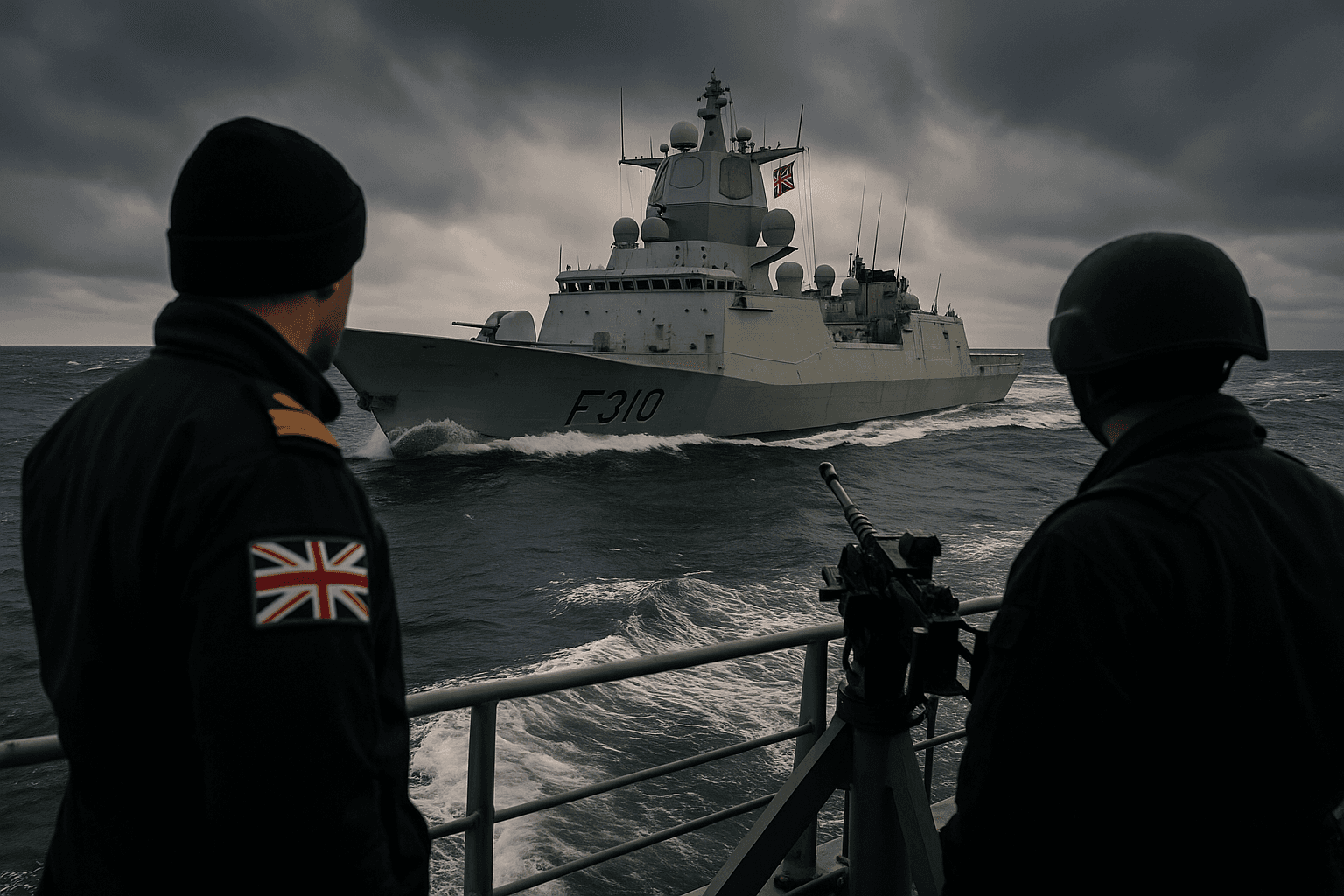
Britain and Norway said they will mount combined naval patrols in the North Atlantic to protect undersea internet and communications cables and to track increased Russian submarine activity. The security pact, signed during talks between Prime Minister Keir Starmer and Norway's Jonas Gahr Støre, commits at least 13 warships to operate together along NATO's northern flank and represents an intensification of bilateral defence cooperation.
The agreement follows a large procurement deal for British made frigates and includes arrangements for the Royal Navy to deploy Norwegian missiles on some surface vessels. Military planners say the combined deployments are intended to enhance maritime domain awareness and provide persistent presence over sea lines of communication that carry most global internet traffic and financial data.
Officials cited a significant rise in Russian naval operations in U.K. waters in recent years as a primary driver of the pact. The move underscores growing Western concern that advanced undersea capabilities, including quiet submarines and remote operated systems, increase the vulnerability of critical infrastructure. Under international law, undersea cables are protected as essential infrastructure, and their damage can have wide ranging economic and security consequences.
The operation will test interoperability across sensors, command systems and weapons platforms between the Royal Navy and the Royal Norwegian Navy. Analysts say the combination of British surface combatants and Norwegian missile capabilities reflects a pragmatic approach to pooling strengths, while the procurement tie further cements industrial and logistical links. NATO officials welcome the step as a reinforcement of collective defense in the northern approaches that connect the Atlantic to the Arctic and beyond.
The patrols also carry diplomatic weight. For London and Oslo the initiative signals to allies and commercial operators that safeguarding the physical layers of the global internet is now an explicit security mission. For Moscow the deployment is a response framed by Western capitals as defensive and protective, but it risks raising tensions at sea if encounters between submarines and surface groups increase.
Legal and technical experts emphasize that protection of cables requires more than ships at sea. Effective defense demands improved mapping of cable routes, shared intelligence on undersea activity, rapid repair capacity and clear rules of engagement to avoid inadvertent escalation. The new agreement builds some of those elements into operational planning, but observers say multilateral norms and broader NATO coordination will also be necessary to deter deliberate attacks.
As nations increasingly recognize undersea infrastructure as a strategic domain, the Britain Norway patrols mark a concrete shift in policy from symbolic deterrence to active guarding. The effectiveness of that shift will be measured by its ability to deter hostile actions without sparking confrontations at sea, and by how quickly allied governments can translate patrol presence into resilient networks for global communications.
This article was produced by Prism’s automated news system from verified source data, official records, and press releases, then run through automated quality and moderation checks before publishing. The system is built and supervised by the people who set the standards it runs under. Read our full AI policy.
Did this article answer your question?