Britain plans hybrid Royal Navy built around drones and autonomous ships
Britain is betting more than £4 billion on autonomous systems as the Royal Navy shifts to a hybrid fleet built for drones, warships and undersea defense.
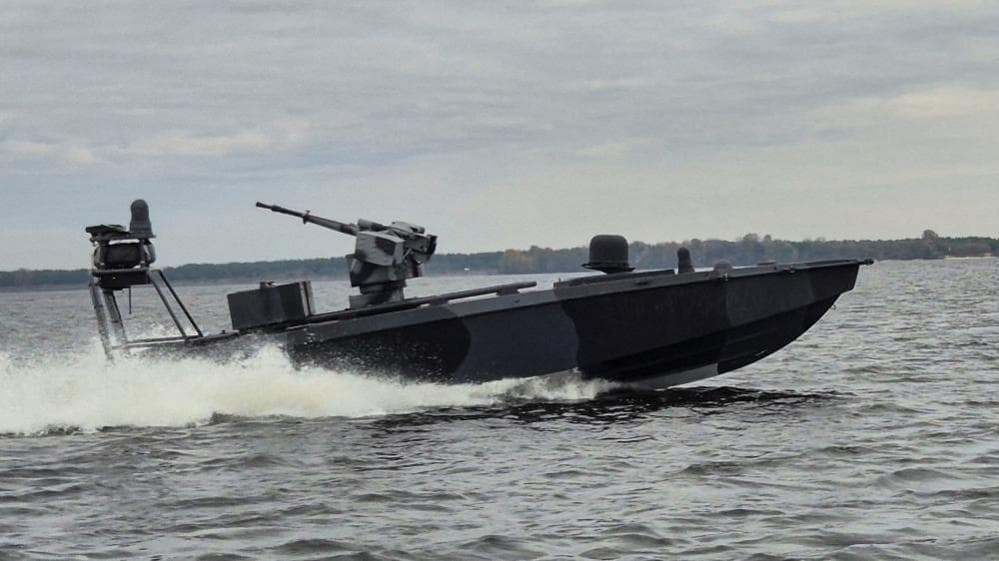
The Royal Navy is being reshaped around drones, autonomous vessels and crewed warships in a break from the old model of building ever larger ships to do more of the same work. The Strategic Defence Review 2025, published on 2 June 2025, set out a “New Hybrid Navy” and said new autonomous vessels would patrol the North Atlantic and beyond.
The review marked a clear shift away from a fleet designed around platforms like Britain’s six Type 45 destroyers, which were built for air defence. Instead, the new plan points toward a force that mixes warships, submarines, aircraft and uncrewed systems, with the Royal Navy taking a leading role in protecting undersea infrastructure. That change reflects lessons drawn from Ukraine, where naval drones have already been used in war at sea.
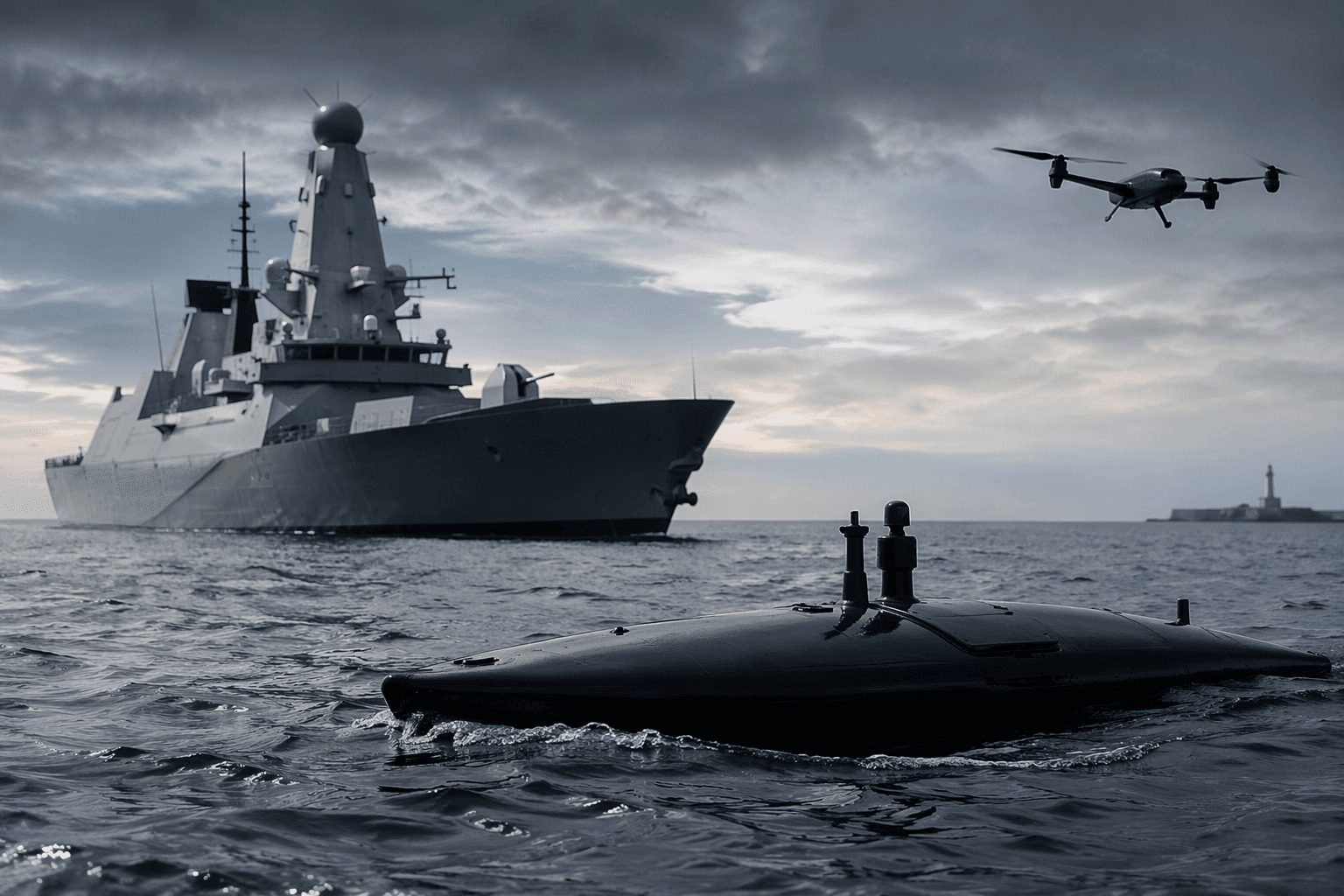
The government tied the naval overhaul to a major £5 billion technology investment announced the same day as the review. More than £4 billion of that package was earmarked for autonomous systems, alongside drone and laser weapons meant to protect troops and warships. Keir Starmer said the United Kingdom would create a hybrid Royal Navy blending drones with warships, submarines and aircraft, while ministers linked the programme to a push to keep Britain at the leading edge of NATO innovation.
General Sir Gwyn Jenkins, the Royal Navy’s First Sea Lord, has pressed that shift with unusual urgency. He said the threat now facing Britain is “more serious and less predictable than at any time since the Cold War” and has urged the service to move rapidly to warfighting readiness. Jenkins has also described a “Hybrid Navy” in which crewed ships and cutting-edge uncrewed systems work together seamlessly.
That idea is already being tested. RFA Lyme Bay has been adapted for a possible minehunting mothership role, a sign that older vessels may be repurposed as launch points, command posts or support ships for autonomous craft rather than replaced one for one. The broader plan also connects to the government’s pledge to raise defence spending to 2.6% of GDP from 2027, with the Navy’s future shaped as much by software, sensors and off-board systems as by steel hulls.
For Britain’s allies, the shift is a warning about the pace of change. The age of assuming that naval power depends first on expensive crewed ships is giving way to a model in which cheaper drones, autonomous vessels and data-driven warfare can change both doctrine and spending priorities faster than traditional procurement cycles can respond.
This article was produced by Prism’s automated news system from verified source data, official records, and press releases, then run through automated quality and moderation checks before publishing. The system is built and supervised by the people who set the standards it runs under. Read our full AI policy.
Did this article answer your question?