Venezuelans bury quake dead as death toll tops 1,400
Families in Caracas and La Guaira buried quake victims as the death toll climbed to about 1,450, with mortuaries overwhelmed and thousands still missing.
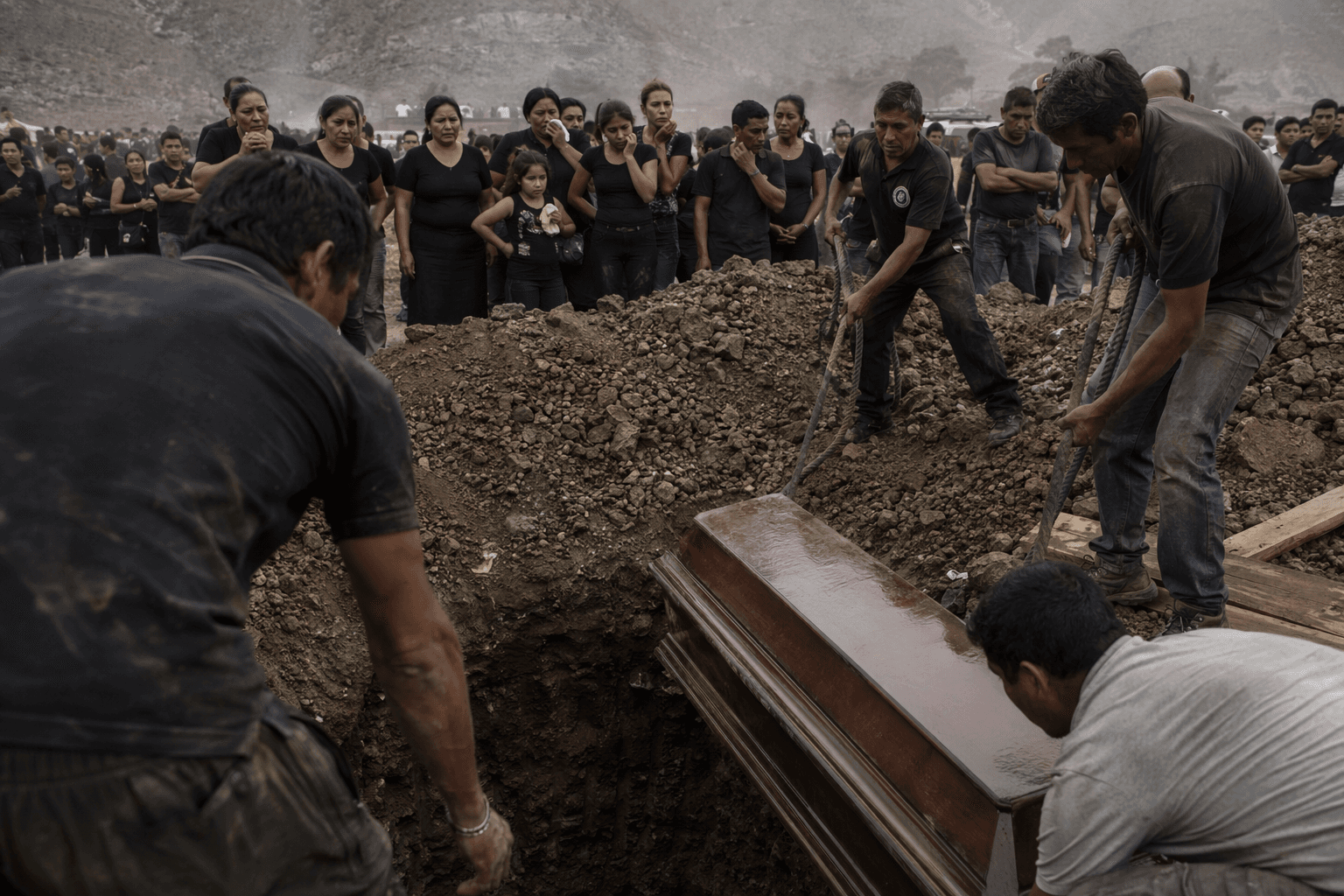
Families in Caracas and La Guaira began burying victims of Venezuela’s twin earthquakes as the death toll climbed past 1,400 and later to about 1,450, turning funerals into a public measure of a disaster that has left whole neighborhoods grieving and searching for answers. At least 3,150 people were injured, and later reports put the number of missing at nearly 68,900.
The magnitude 7.2 and 7.5 quakes struck on Wednesday, June 24, 2026, hitting northern Venezuela and the coastal areas around Caracas and La Guaira hardest. By Saturday, officials said the 72-hour rescue window had passed, even as crews kept digging through rubble and aftershocks continued to shake the region.
More than 1,600 foreign rescuers had arrived to help search for survivors, including more than 300 U.S. search-and-rescue personnel. Families and neighbors, frustrated by the shortage of official responders in the first days after the quakes, searched the wreckage themselves, pulling through broken concrete and twisted metal in hopes of finding anyone still alive.
The disaster also exposed the strain on Caracas mortuary services, which were reported overwhelmed as bodies were transported by motorcycle, car and pickup truck. Volunteers stepped in to provide counseling for grieving families, while funeral directors donated coffins to keep pace with the number of dead. The burial scenes, repeated across the capital, showed how the catastrophe has outstripped not only rescue capacity but also the basic systems needed to care for the dead.
Officials and rescuers described some “miracle” rescues, but the broader picture was one of mounting loss across Venezuela’s capital and its northern coast. As the death toll rose and the missing list grew, the funerals became more than private farewells: they were a public marker of a disaster that has tested the country’s emergency response, its morgues, and its ability to support families whose lives were upended in a matter of minutes.
This article was produced by Prism’s automated news system from verified source data, official records, and press releases, then run through automated quality and moderation checks before publishing. The system is built and supervised by the people who set the standards it runs under. Read our full AI policy.
Did this article answer your question?


