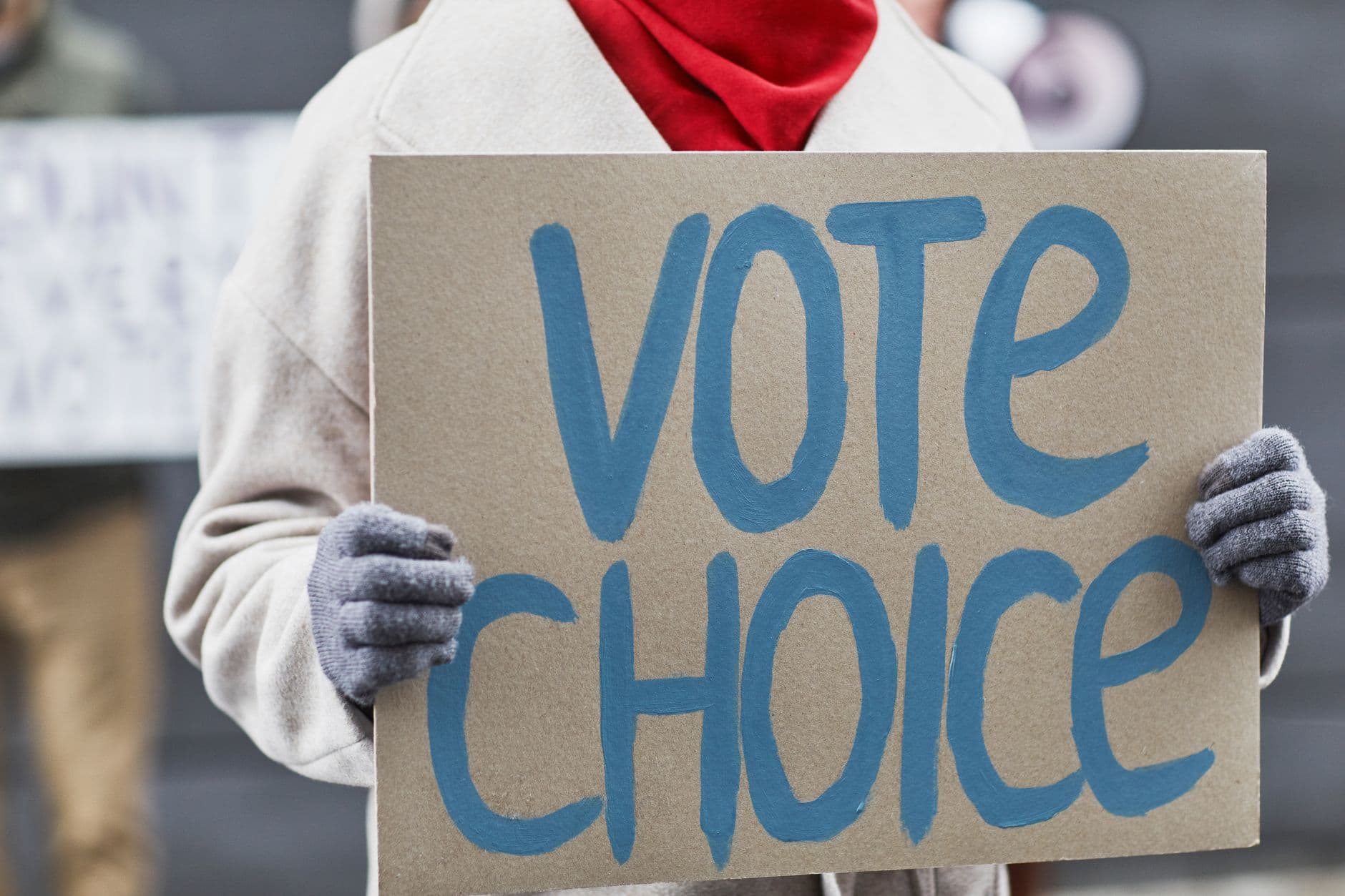
Britain plans social media ban for under 16s, Starmer says
Starmer backed a ban for under-16s, even as Britain faces the harder test of verifying ages, protecting privacy and blocking loopholes.
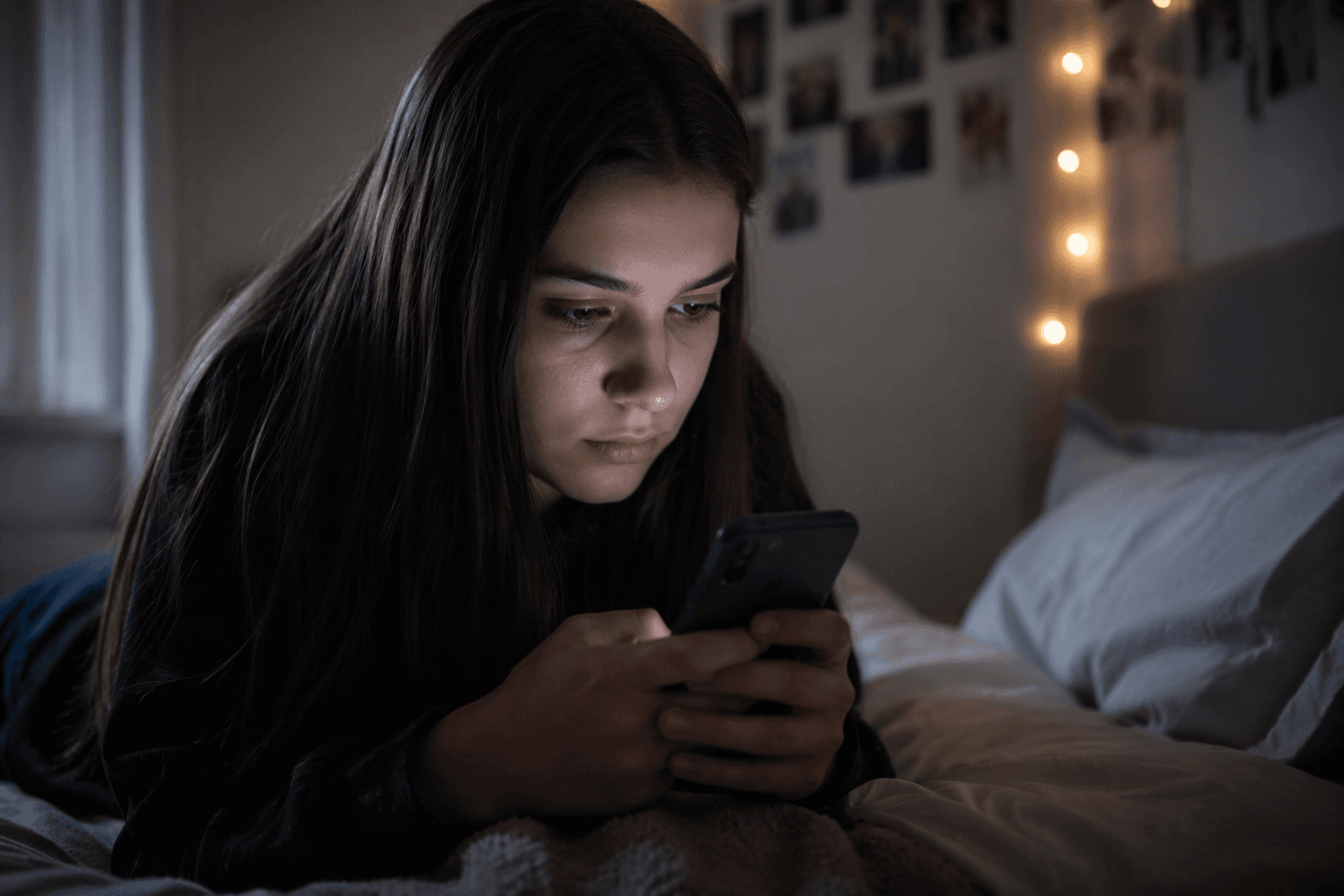
Britain’s proposed social media ban for under-16s may be easy to announce and much harder to enforce. The real test will be whether platforms can reliably verify ages, keep children from slipping through loopholes and do so without building a surveillance system that raises fresh privacy fears.
Keir Starmer said Britain would move to bar under-16s from major social media services, including TikTok, Instagram, X and YouTube, turning a long-running debate over child safety into a direct regulatory push. The political logic is straightforward: officials say the current online environment is exposing young users to addictive design, harmful material and mental-health pressures that families cannot manage on their own.
The policy has been building for months. The UK government opened a consultation on children’s social media use on March 2, 2026, and closed it on May 26, 2026. A preliminary GOV.UK analysis found that 89% of parents and carers who responded supported a legal minimum age of access for social media services. The House of Commons Library says ministers plan to publish a fuller analysis in summer 2026, while the Children’s Wellbeing and Schools Act 2026 will require the government to impose some form of age or functionality restrictions for children under 16.
The challenge is not simply drawing a line at 16. Britain’s current digital age of consent under data-protection rules is 13, which makes the shift politically and legally significant. Ofcom’s latest child-media findings show why ministers believe the issue is urgent: 95% of 13- to 15-year-olds use social media and 96% of that age group have their own profile. Among 8- to 14-year-olds, YouTube and Snapchat account for 52% of average daily time spent online. Ofcom finalized new child-safety measures for sites and apps in April 2025, including stronger age checks and safer feeds, but the under-16 ban would push the system into far stricter territory.
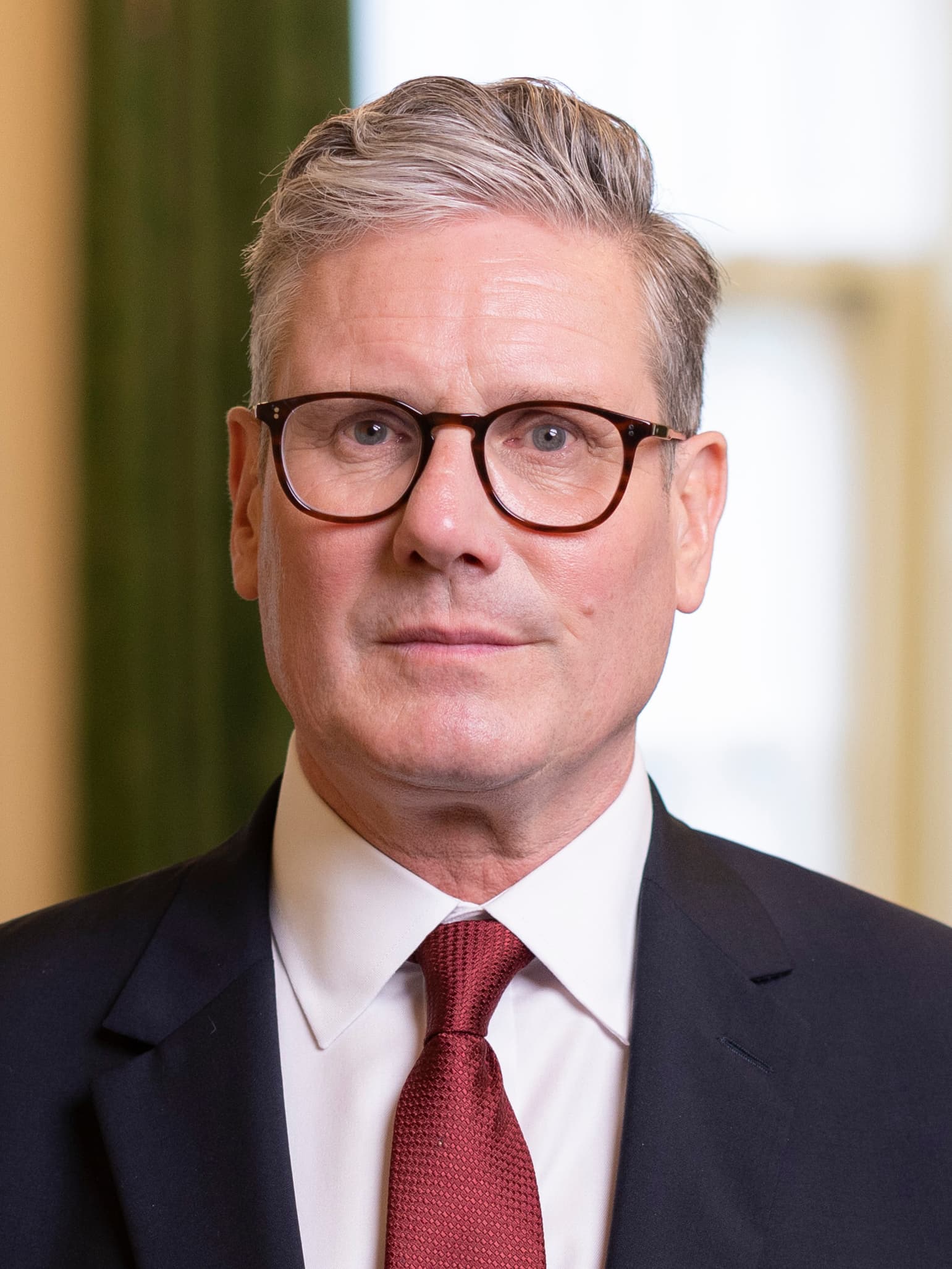
Britain is also moving in step with a broader international crackdown. Australia became the first country to formally ban social media access for users under 16 in December 2025, with regulators saying the aim is to shield children from features that drive prolonged screen time and harmful content. Yet the same enforcement questions shadow both countries: whether digital IDs or facial-recognition checks can work at scale, whether platforms will comply, and whether determined children will simply migrate to less regulated spaces. If Britain can solve those problems, it could set the model for online child protection. If it cannot, the ban will expose the gap between political urgency and technical reality.
This article was produced by Prism’s automated news system from verified source data, official records, and press releases, then run through automated quality and moderation checks before publishing. The system is built and supervised by the people who set the standards it runs under. Read our full AI policy.
Know something we missed? Have a correction or additional information?
Submit a Tip