Trump-backed Barry Moore faces outsider Jared Hudson in Alabama runoff
Barry Moore led Alabama's GOP Senate primary, but Jared Hudson's outsider pitch turned the June 16 runoff into a test of Trump's pull inside the party.
Barry Moore enters Alabama’s Republican Senate runoff with the advantage of Donald Trump’s backing and the burden of proving that endorsement power still decides GOP contests. Jared Hudson, a former Navy SEAL with no elected-office record, has built his challenge around outsider appeal and a law-enforcement image, setting up a race that is as much about party identity as it is about one Senate seat.
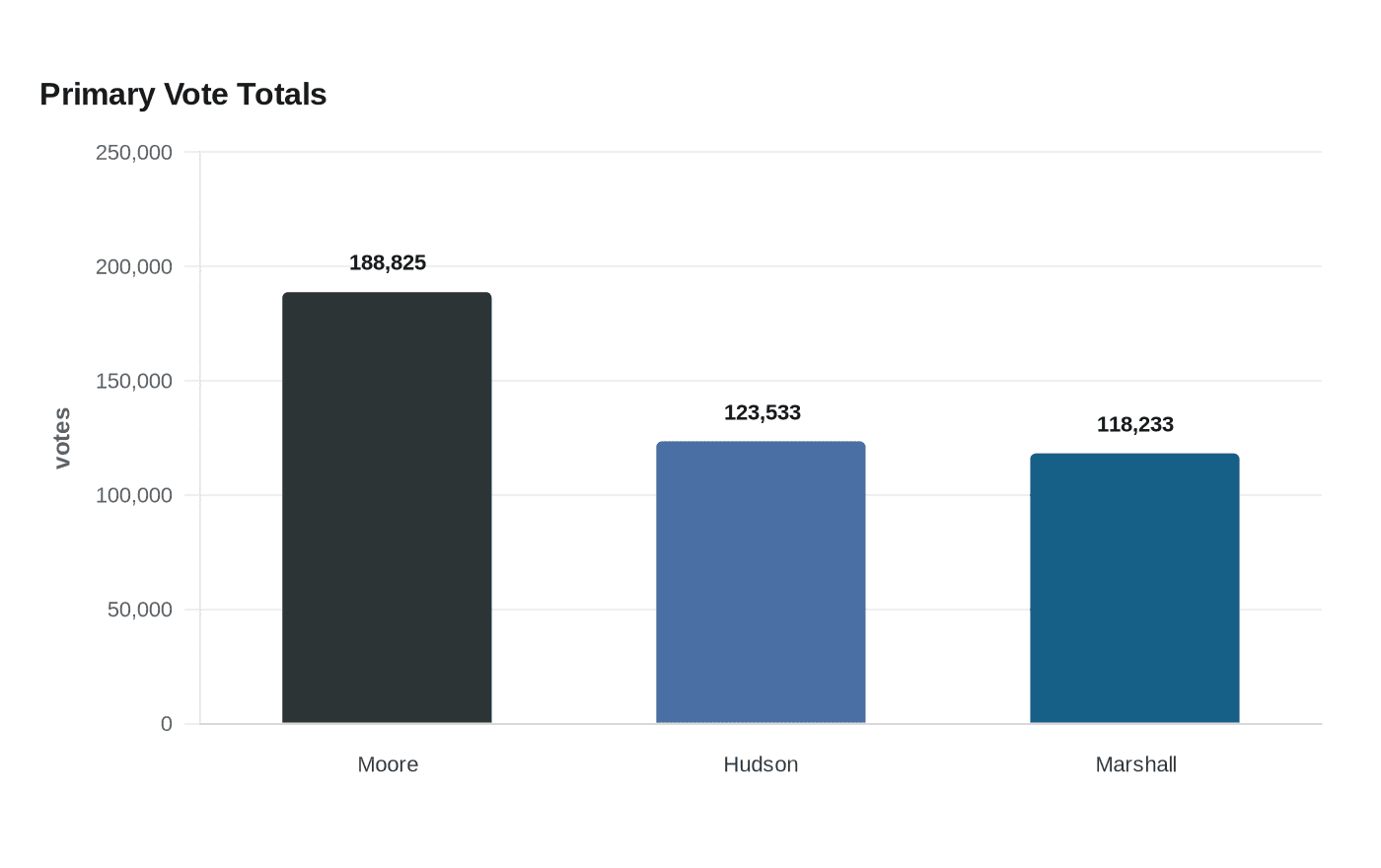
The runoff is set for June 16 after none of the Republican candidates in the May 19 primary won a majority. Moore finished first with 188,825 votes, or 39.2 percent. Hudson followed with 123,533 votes, or 25.6 percent, while Alabama Attorney General Steve Marshall placed third with 118,233 votes, or 24.5 percent and exited the race after conceding that the campaign had “fell just short.”
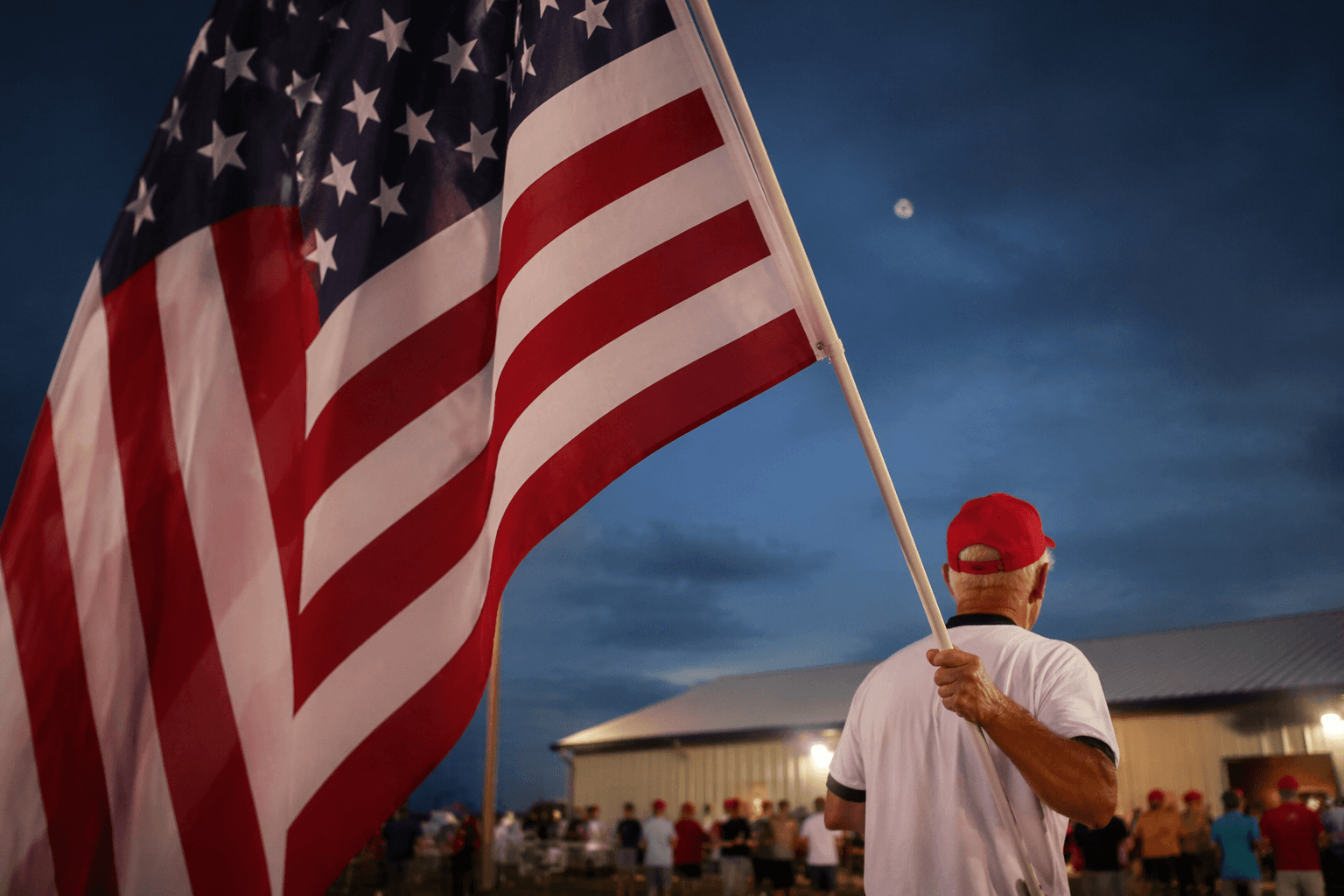
The seat is open because Sen. Tommy Tuberville is running for governor rather than seeking reelection, making the contest one of Alabama’s highest-profile Republican battles of the year. Trump endorsed Moore on January 17 and called him a “good friend, fighter, and WINNER.” Moore has turned that support into a central message, reminding voters that he was among the first elected officials to back Trump at the president’s August 21, 2015 rally in Mobile.
Moore’s pitch is built on more than the endorsement. The Enterprise native started an industrial waste hauling company, served eight years in the Alabama Legislature, won election to the U.S. House in 2020, and now cites his membership in the House Freedom Caucus and his conservative record as proof that he is the natural continuation of Trump-era politics in Alabama. His campaign is betting that loyalty to Trump still carries decisive weight with Republican voters, especially in a state where the former president’s approval remains a major force.
Hudson is betting the opposite. He has run as a newcomer and outsider, emphasizing his Navy SEAL service and law-enforcement background to argue that Republican voters want a candidate who embodies Trump-style disruption without being tied to the party’s existing hierarchy. Marshall’s third-place finish and financial totals, about $1.4 million raised and roughly $920,000 spent, underscored how crowded the field was before it narrowed to two sharply different profiles.
The runoff has become a broader test of whether Trump’s endorsement still settles competitive Republican primaries or whether it now works more as one ingredient among local loyalties, outsider branding, and ideological credibility. That question has echoed across Alabama’s 2026 election calendar, which also saw some congressional primaries delayed after litigation over the state’s congressional map reshaped parts of the schedule. In this race, the answer will help show whether Republican voters are following Trump himself, or the style of politics he made durable.
This article was produced by Prism’s automated news system from verified source data, official records, and press releases, then run through automated quality and moderation checks before publishing. The system is built and supervised by the people who set the standards it runs under. Read our full AI policy.
Know something we missed? Have a correction or additional information?
Submit a Tip