Trump's Iran war gamble raises inflation and energy costs
Trump’s tax cuts and deregulation are being overshadowed by a war-driven energy shock, with inflation at 4.2% and gas still more than 33% higher than a year ago.

Trump entered the year promising tax cuts and deregulation, but the war with Iran has pushed inflation back into voters’ daily lives. Consumer prices rose 4.2% in May 2026, the fastest pace in three years, while energy costs jumped 23.5% from a year earlier, leaving fuel oil up almost 60% and gasoline still more than 33% above its level a year ago.
The political damage is already showing up in the numbers. A Reuters/Ipsos poll conducted June 3-8 found just 22% approval of Trump’s handling of cost-of-living issues, with 70% disapproval. One former Trump administration official told POLITICO, “The die has been cast,” capturing the concern among allies that the inflation shock may be hard to unwind even if broader economic conditions improve.
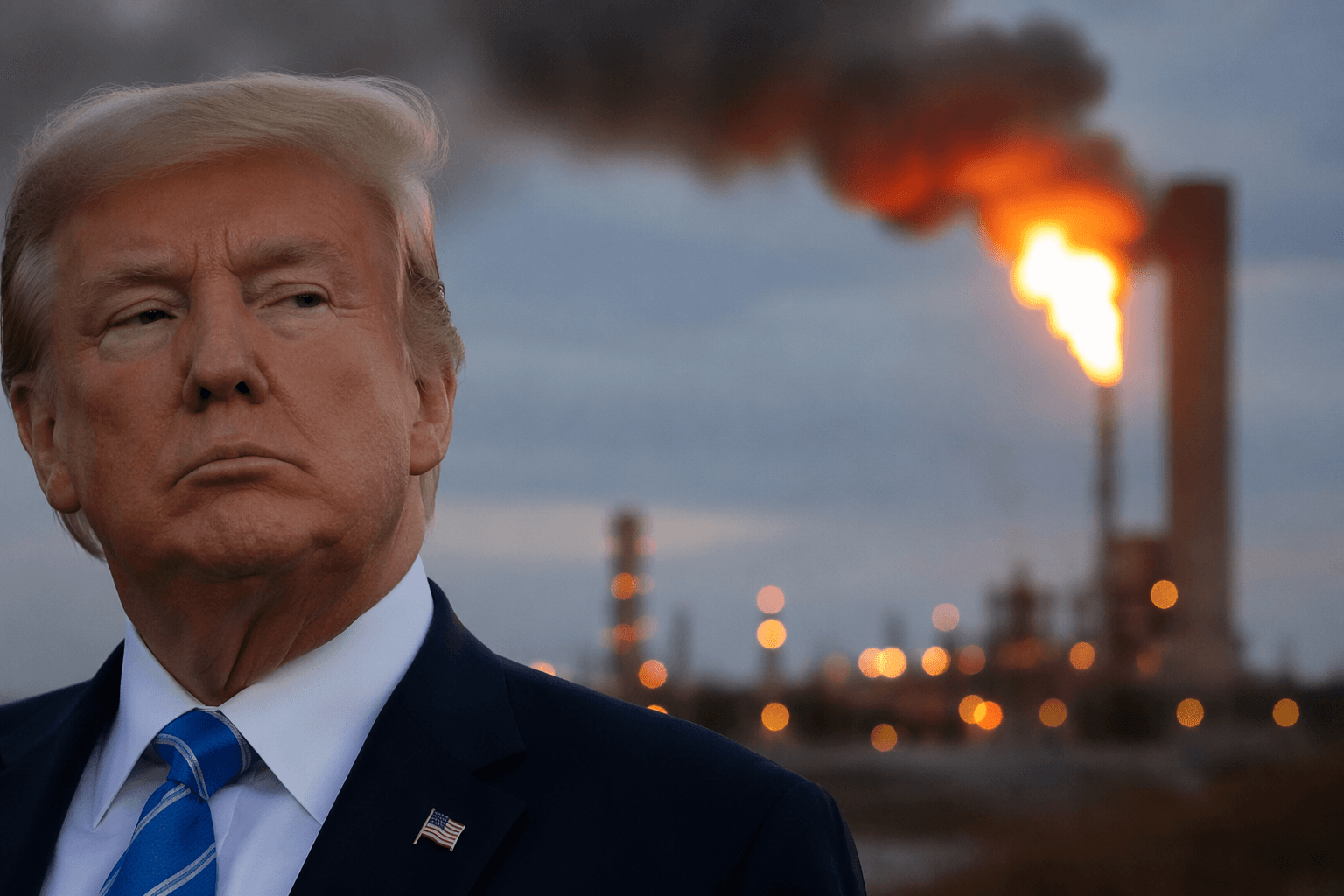
The White House has argued that prices should ease if Iran’s nuclear capabilities are eliminated and the Strait of Hormuz reopens. That chokepoint carries roughly 20% of the world’s oil and gas supply, making it central to global fuel markets. But officials also acknowledge the administration has few direct levers left to pull. Trump has already tapped strategic reserves, Treasury Secretary Scott Bessent has offered sanctions relief for Iranian and Russian oil sales, and a proposed gas-tax holiday never advanced.
The strain is spreading beyond the pump. Moody’s Analytics estimated that U.S. households had already paid about $447.19 more for energy since the conflict began on Feb. 28, adding up to nearly $60 billion nationwide. If prices stay elevated for a year, Moody’s said the average household could face nearly $2,000 in extra costs. CNBC reported that the energy hit has nearly erased the average $384 per-household boost from Trump’s tax cuts this year.
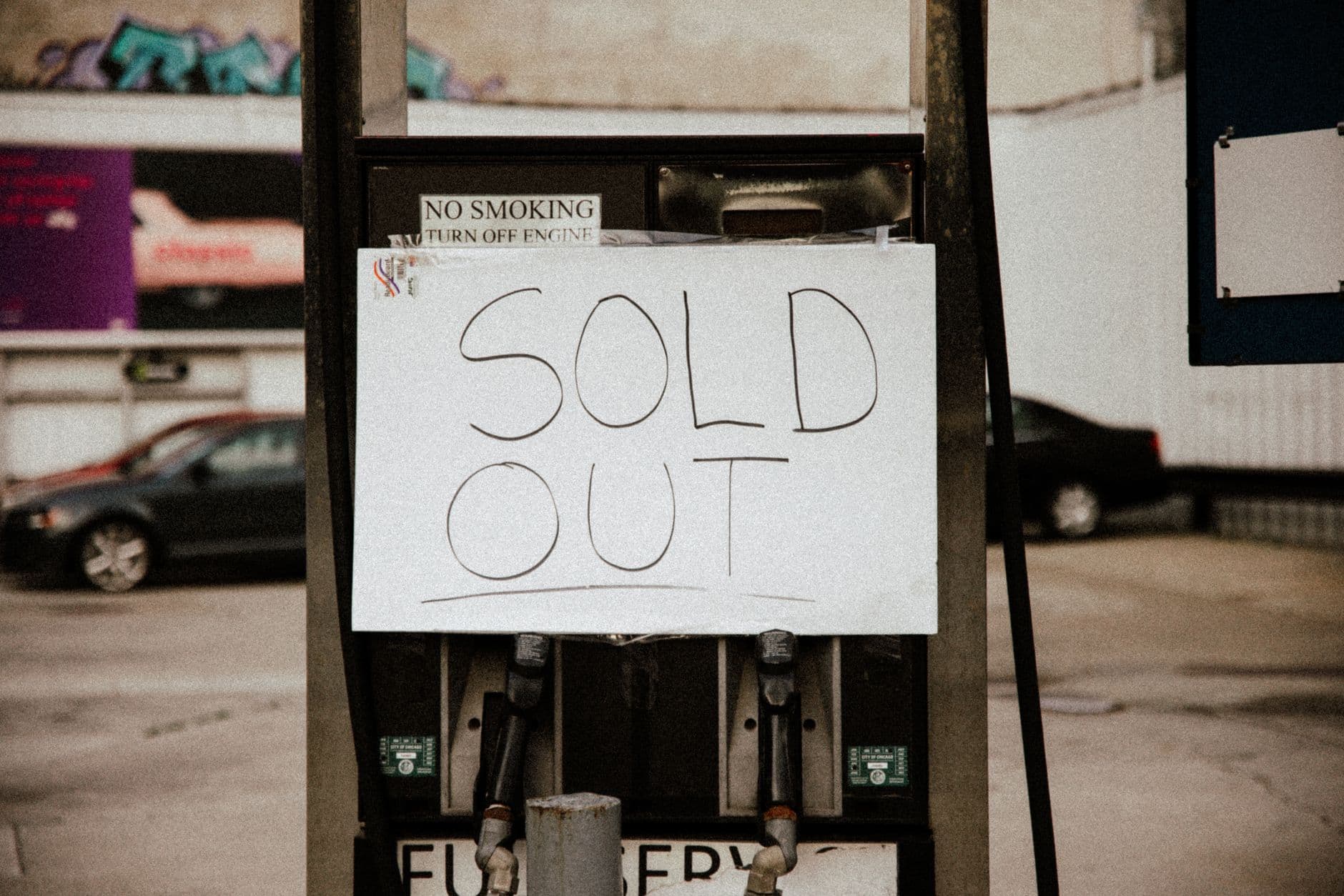
Economists warn that higher fuel prices could cool summer travel, raise airline fares and weaken consumer demand at a time when households are already skeptical. Democrats have seized on the pressure, with Sen. Elizabeth Warren calling the inflation rise “a direct consequence” of Trump’s agenda. For now, the administration is betting that a geopolitical breakthrough will restore calm in energy markets before voters decide that its macroeconomic gains have been wiped out at the gas station and on utility bills.
This article was produced by Prism’s automated news system from verified source data, official records, and press releases, then run through automated quality and moderation checks before publishing. The system is built and supervised by the people who set the standards it runs under. Read our full AI policy.
Know something we missed? Have a correction or additional information?
Submit a Tip