Court upholds UK ban on Palestine Action as lawful and proportionate
The Court of Appeal kept Palestine Action proscribed, preserving a ban that can bring 14-year prison terms and has already led to 10 charges.
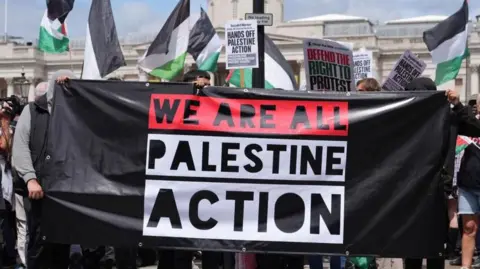
The Court of Appeal has kept Palestine Action banned under the Terrorism Act 2000, ruling the government’s proscription lawful and proportionate and restoring a ban that carries prison terms of up to 14 years. The decision overturned a February 2026 High Court judgment that had found the order unlawful and had opened the way for the ban to be quashed.
The appeal court accepted the Home Office’s case that Yvette Cooper acted within her powers when she decided on June 23, 2025 to proscribe Palestine Action under section 3 of the Terrorism Act 2000. Lady Chief Justice Baroness Carr said the High Court had “materially understated the position” on ministerial discretion, and she said comparisons with the suffragettes were “seriously flawed”. Reuters also reported that Baroness Carr called it a “fundamental mistake” to overlook that Palestine Action overtly promoted unlawful violence amounting to terrorism.
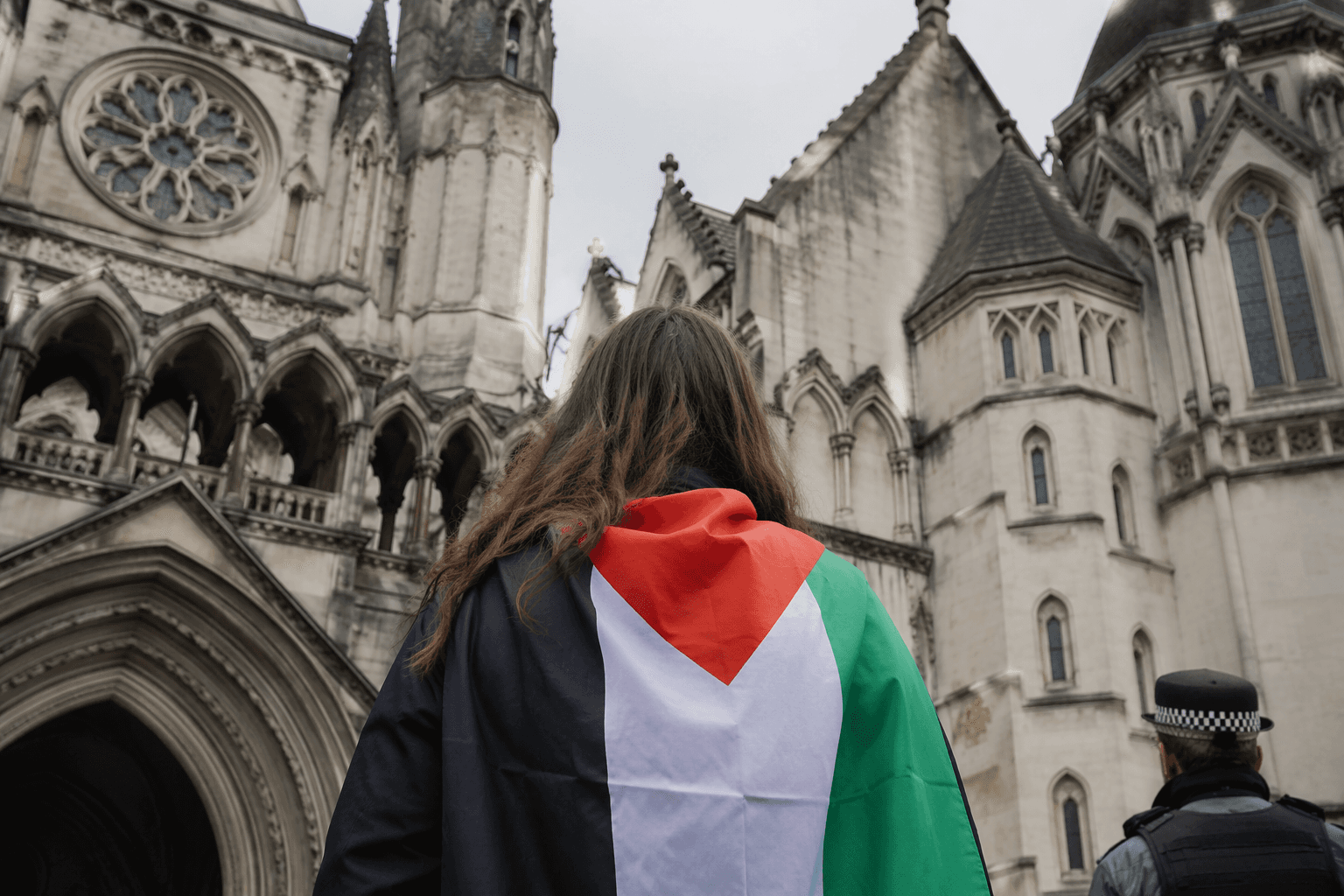
Cooper laid the draft order in Parliament on June 30, 2025, and the proscription took effect at 00:01 on July 5, 2025. The same order also banned Maniacs Murder Cult and the Russian Imperial Movement. From that point, belonging to Palestine Action, inviting support for it, or recklessly expressing support became a criminal offence, putting the group in the same legal category as other proscribed organisations targeted by the UK’s terrorism regime.
The High Court challenge was brought by Palestine Action co-founder Huda Ammori, who argued that the ban breached Articles 10 and 11 of the European Convention on Human Rights and failed to follow the Home Secretary’s own policy. The earlier ruling had treated the proscription as a disproportionate intrusion on freedom of expression and assembly. The Court of Appeal’s judgment reversed that finding, leaving the government’s proscription in force and sharpening the legal boundary between direct-action protest and conduct the state says crosses into terrorism.
That boundary matters well beyond Palestine Action. Since the ban came into force, Counter Terrorism Policing said arrests and charges followed, and by August 7, 2025 it said 10 people had been charged under terrorism laws linked to the proscription. The case now stands as a major test of how far UK ministers can go when they seek to use anti-terror powers against militant protest groups that insist they are engaged in civil disobedience rather than violence.
This article was produced by Prism’s automated news system from verified source data, official records, and press releases, then run through automated quality and moderation checks before publishing. The system is built and supervised by the people who set the standards it runs under. Read our full AI policy.
Know something we missed? Have a correction or additional information?
Submit a Tip