Two men convicted over arson attacks on Starmer-linked property and car
Two men were convicted in a plot that saw a car and two homes linked to Keir Starmer set alight across three nights in north London.

The attacks on a Toyota RAV4, a rented house and Starmer’s former home turned a London arson inquiry into a national security case, with Counter Terrorism Policing taking the lead because of the prime ministerial links. Prosecutors said the fires, all in Kentish Town over three nights in May 2025, struck property tied to Keir Starmer in a residential part of north London and prompted multiple arrests.
At the Old Bailey, Roman Lavrynovych, 22, and Stanislav Carpiuc, 27, were found guilty of conspiracy to damage property by fire. Lavrynovych, a Ukrainian national, was also convicted of two counts of damaging property by fire, reckless as to whether life was endangered. Petro Pochynok, 35, was acquitted. The Crown Prosecution Service said the two convicted men are due to be sentenced on Friday, 19 June 2026.
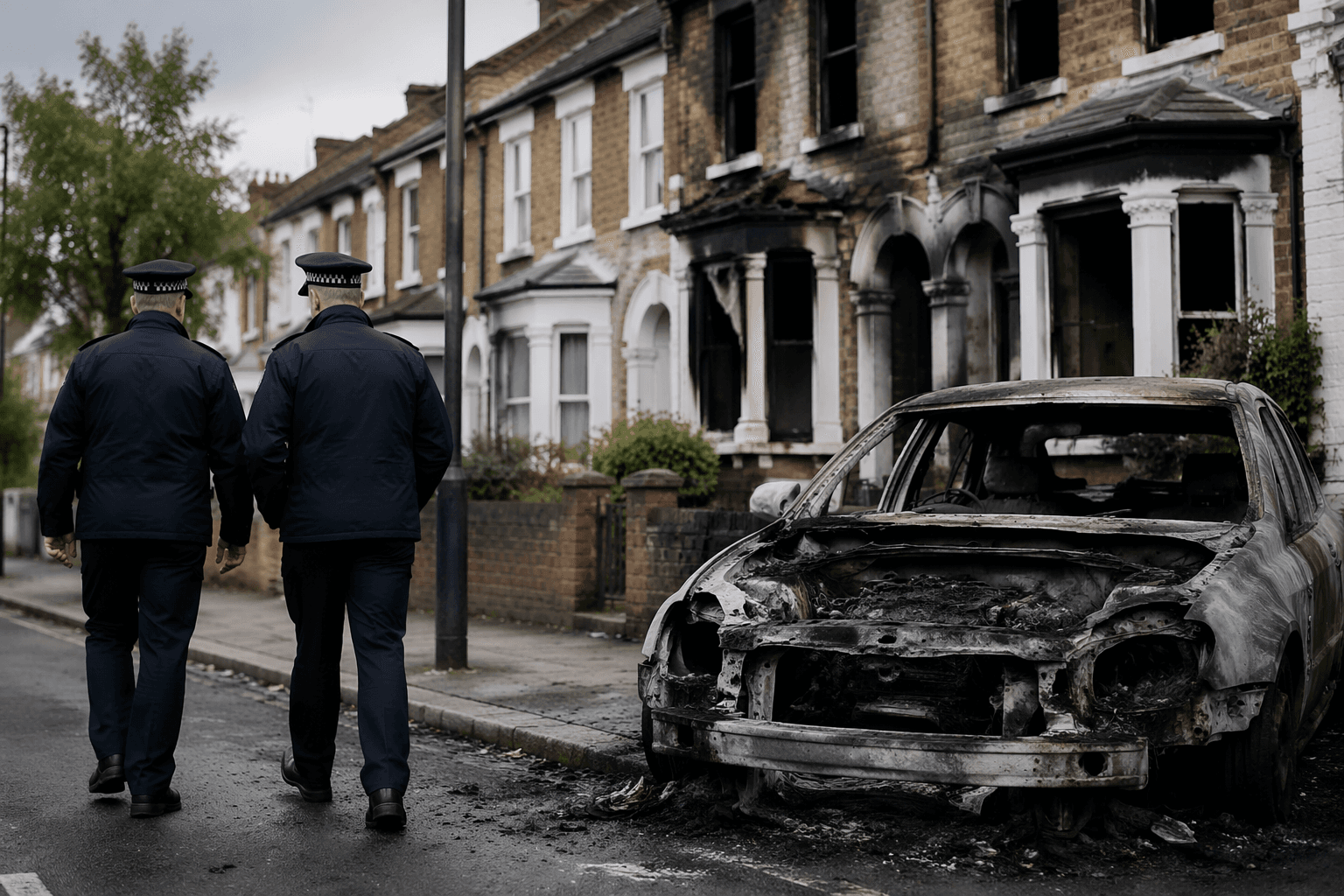
The first attack came on 8 May 2025, when a Toyota RAV4 once owned by Starmer was set alight in Kentish Town. Two more fires followed on 11 May and 12 May, one at a house rented by Starmer’s sister-in-law and another at Starmer’s former home. The court heard the case involved three separate arson attacks on properties and a car linked to the prime minister, raising questions about how police distinguish targeted intimidation from ordinary crime when the person at the centre of the case is the country’s leader.

Starmer told MPs the attacks were “an attack on all of us, on democracy and the values that we stand for.” That framing reflected the security concern at the heart of the case: a deliberate attempt to unsettle a public figure by striking the domestic spaces around him, not just his official duties. Trial reporting said investigators also examined possible wider links, including alleged coordination through a Russian-speaking handler and possible Russian involvement, while evidence suggested the plot was intended to create fear and unrest.
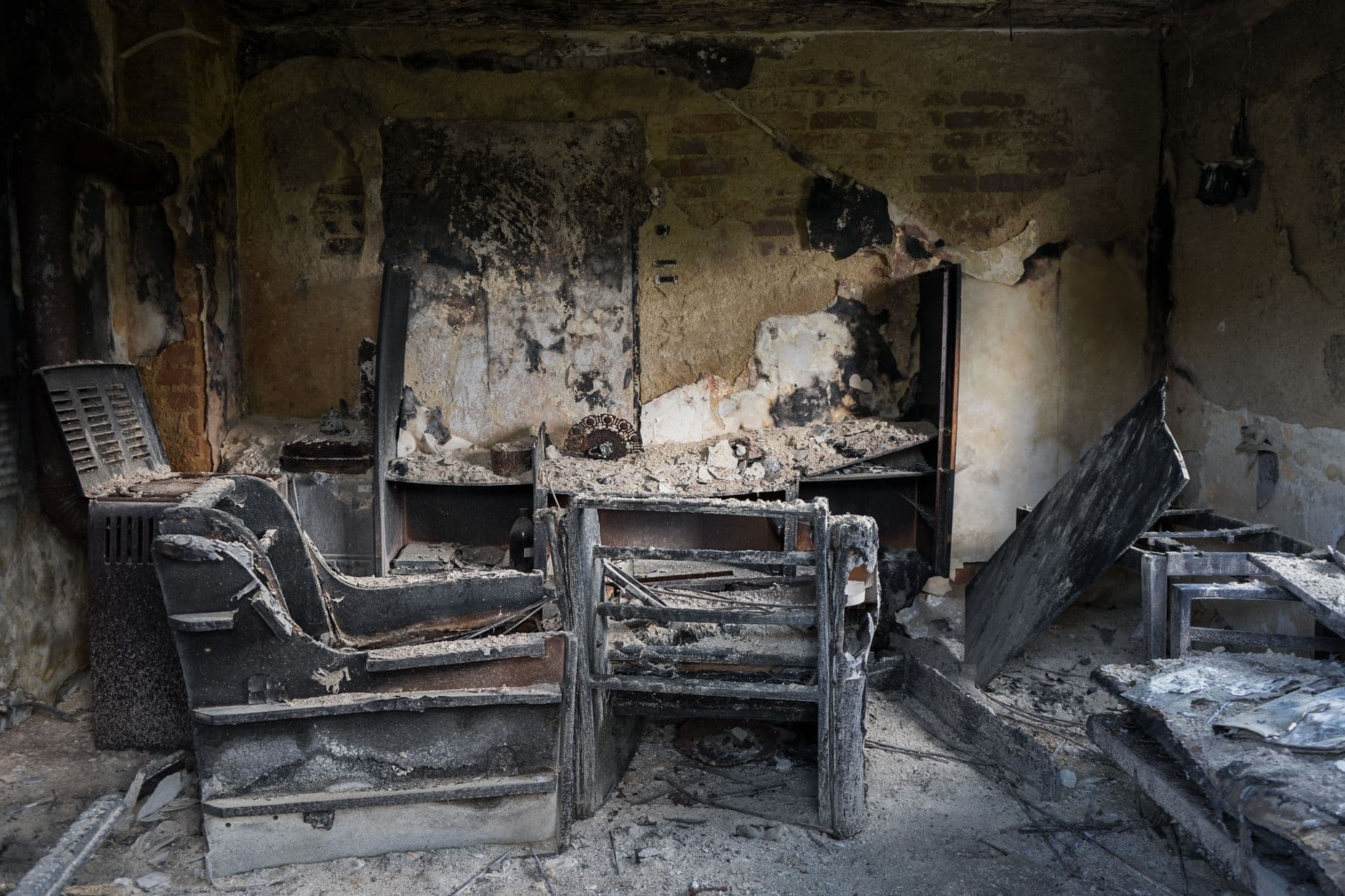
The convictions underline how a criminal arson case can quickly become a test of protective capacity around senior ministers and their families. In this case, the threat extended beyond property damage to the vulnerability of relatives and former residences, and the response showed the Metropolitan Police treating the attacks as a matter with implications far beyond one London neighbourhood.
This article was produced by Prism’s automated news system from verified source data, official records, and press releases, then run through automated quality and moderation checks before publishing. The system is built and supervised by the people who set the standards it runs under. Read our full AI policy.
Know something we missed? Have a correction or additional information?
Submit a Tip