Supreme Court leaves Judge Pauline Newman suspended from federal appeals court
The court let Pauline Newman’s suspension stand, leaving a 98-year-old federal judge sidelined as a fight over judicial fitness, age and independence deepens.

The Supreme Court left Pauline Newman suspended from the U.S. Court of Appeals for the Federal Circuit, keeping in place a rare test of how the judiciary handles age, capacity and accountability when a life-tenured judge is said to be unfit for duty. The decision closed off Newman’s latest bid to return to active service and preserved the Federal Circuit’s order barring her from receiving new case assignments.
Newman, 98, will turn 99 on Saturday. She has served on the Federal Circuit since 1984, when President Ronald Reagan appointed her to the court, and she is the oldest federal judge in the nation and the oldest federal judge not to take senior status, the semi-retirement arrangement that allows judges to carry a lighter caseload. Over more than four decades on the bench, she wrote more than 300 dissenting opinions and became known as the “Great Dissenter.”
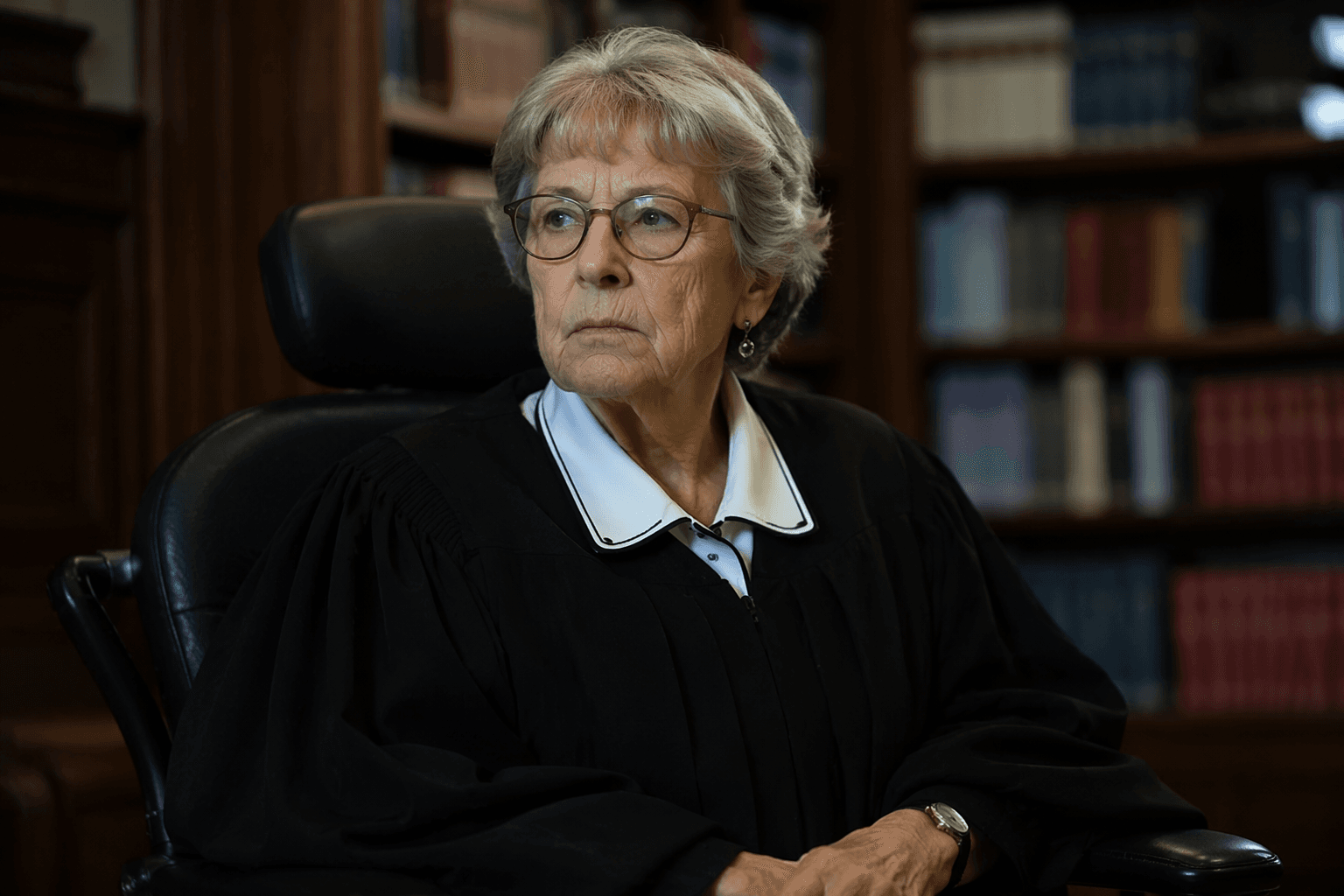
The dispute began in 2023, when Chief Judge Kimberly Moore and other Federal Circuit judges raised concerns about Newman’s ability to do the job. Court filings and reports cited alleged memory loss, confusion, paranoia, angry rants and health problems, including a fainting episode in 2022 and other issues in 2021. A special committee asked Newman to undergo neurological and neuropsychological testing, turn over medical records and participate in an interview, but she refused, saying the requests were unlawful. The court’s active judges then unanimously suspended her from new case assignments for one year, with the order subject to renewal.
That suspension was renewed in September 2024 and again in August 2025. In March 2026, the Judicial Conference’s Committee on Judicial Conduct and Disability denied Newman’s petition for review of the Federal Circuit Judicial Council’s August 29, 2025 order. A panel of the U.S. Court of Appeals for the D.C. Circuit also rejected her challenge in August 2025, concluding that constitutional claims could not be litigated in court and that review belonged within the Judicial Conference process.
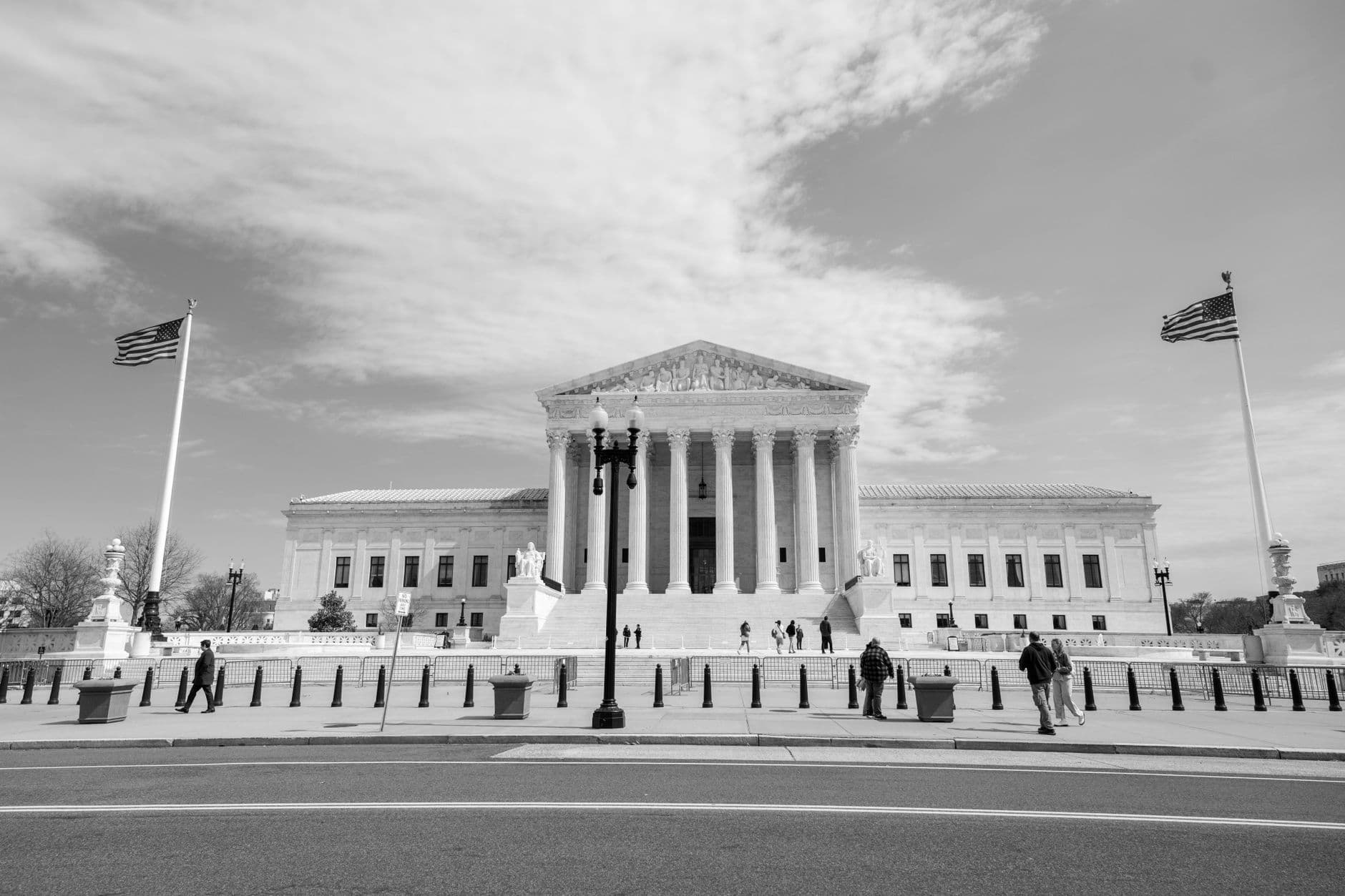
The case has become a closely watched referendum on judicial self-policing. Newman has maintained she is fit to serve and has sued Moore and other Federal Circuit judges. Supporters, including former law clerks and retired judges, urged the Supreme Court to hear the case, warning that the dispute raises due-process and judicial-independence concerns that could reach beyond one judge. The Federal Circuit and disciplinary bodies have cast the matter differently: as an institutional duty to investigate fitness claims and act when a judge will not cooperate. For the federal courts, the refusal to intervene leaves that balance intact, at least for now.
This article was produced by Prism’s automated news system from verified source data, official records, and press releases, then run through automated quality and moderation checks before publishing. The system is built and supervised by the people who set the standards it runs under. Read our full AI policy.
Know something we missed? Have a correction or additional information?
Submit a Tip