Supreme Court declines Carter Page appeal over FBI surveillance claims
The justices left intact rulings that Page waited too long to sue over the FBI’s Russia probe, narrowing the path for broad claims against senior officials.
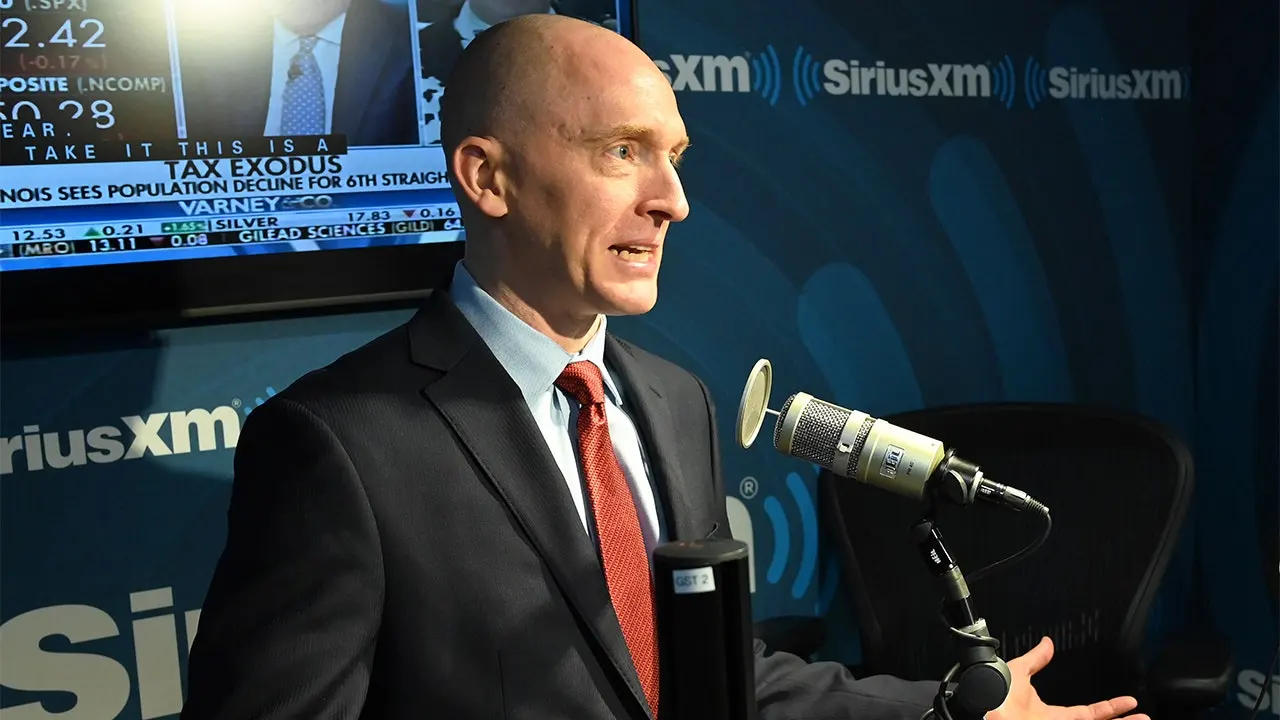
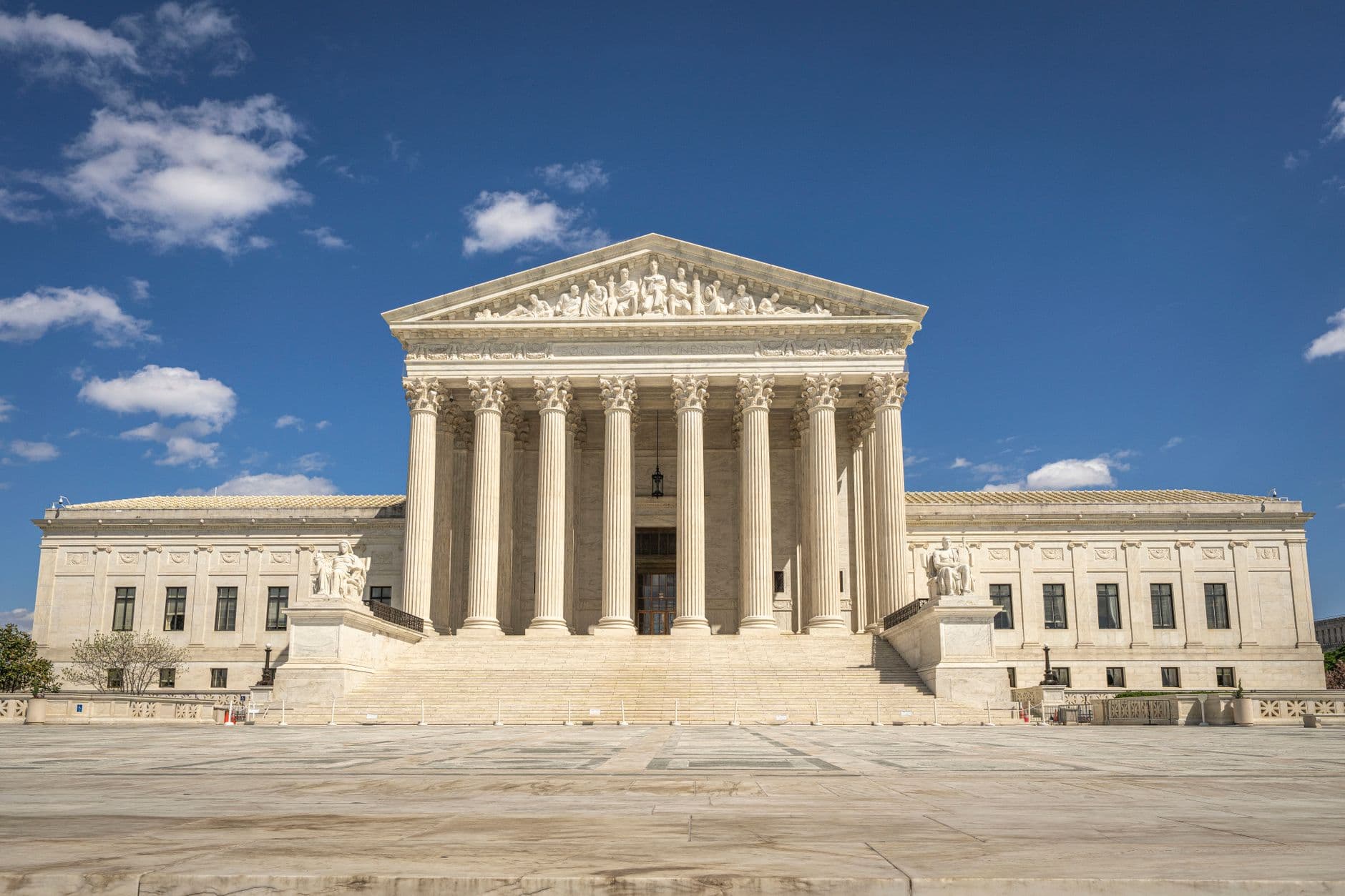
The Supreme Court declined to revive Carter Page’s challenge to the FBI’s surveillance of him, leaving intact rulings that threw out his case as too late. The decision preserves a lower-court holding that Page waited too long to sue over claims tied to the Russia investigation, even as the Justice Department agreed in April to pay him $1.25 million to settle part of the dispute.
Page, a former adviser to Donald Trump’s 2016 campaign, filed his lawsuit in 2020 and accused former FBI and Justice Department officials of unlawfully obtaining four Foreign Intelligence Surveillance Act warrants to monitor him, then leaking surveillance information to the press. The remaining defendants included former FBI Director James Comey, former Deputy Director Andrew McCabe, former FBI lawyer Kevin Clinesmith and other officials connected to Crossfire Hurricane, the FBI’s Russia probe.
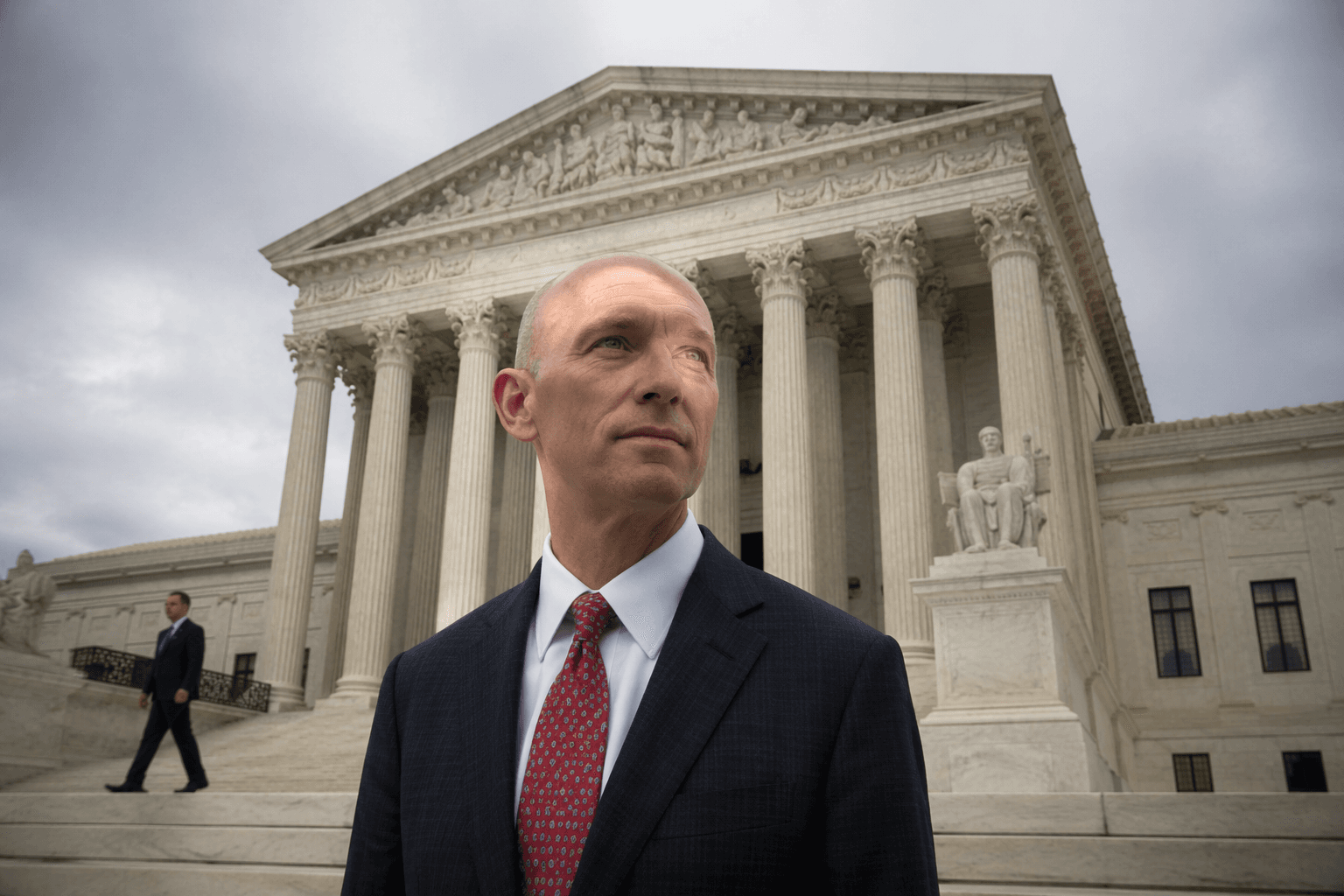
The D.C. Circuit rejected the case on May 23, 2025, saying the claims were time-barred. Judges there said the three-year statute of limitations began running with an April 11, 2017 Washington Post article that made the surveillance public. Page asked the Supreme Court to intervene on Dec. 11, 2025, arguing the clock should not have started until the government later acknowledged the surveillance was unlawful. The justices declined to take the case on June 15, 2026.
The legal backdrop remains the Justice Department inspector general’s December 2019 report, which found numerous errors and omissions in the four Page FISA applications. Clinesmith later pleaded guilty to altering an email used to seek a surveillance warrant, a separate episode that became one of the most damaging acknowledgments of misconduct in the Russia investigation era.
Page was never charged in the Russia investigation and has denied improper contacts with Russia. His case had become one of the clearest tests of how far courts would let plaintiffs push broad claims years after the underlying surveillance became public. With the Supreme Court refusing review, the lower courts’ timeliness ruling stands, underscoring how difficult it has become to pursue old claims against senior federal officials, even in cases shaped by one of the most consequential political investigations in recent memory.
This article was produced by Prism’s automated news system from verified source data, official records, and press releases, then run through automated quality and moderation checks before publishing. The system is built and supervised by the people who set the standards it runs under. Read our full AI policy.
Know something we missed? Have a correction or additional information?
Submit a Tip