Trump turns White House into UFC spectacle for America 250
The White House became a UFC arena on Trump’s 80th birthday, with Topuria vs. Gaethje headlining a card only 16% of Americans called appropriate.
The South Lawn of the White House was turned into a mixed martial arts stage, collapsing the line between state ceremony and spectacle fighting. UFC Freedom 250, staged June 14 in Washington, D.C., was billed as a once-in-a-generation celebration of the American fighting spirit and tied to the 250th anniversary of U.S. independence, with the main card set for 8 p.m. ET.
The event was more than a sports card. It was the clearest sign yet that the aesthetics of combat entertainment had migrated into presidential branding itself. President Donald Trump first floated the idea at an Iowa rally in July 2025, then folded it into the broader America 250 push after his January 29, 2025 executive order created the White House Task Force on Celebrating America’s 250th Birthday. By the time UFC and Dana White turned the plan into a real event, the White House grounds had become the backdrop for a politics-by-production exercise.
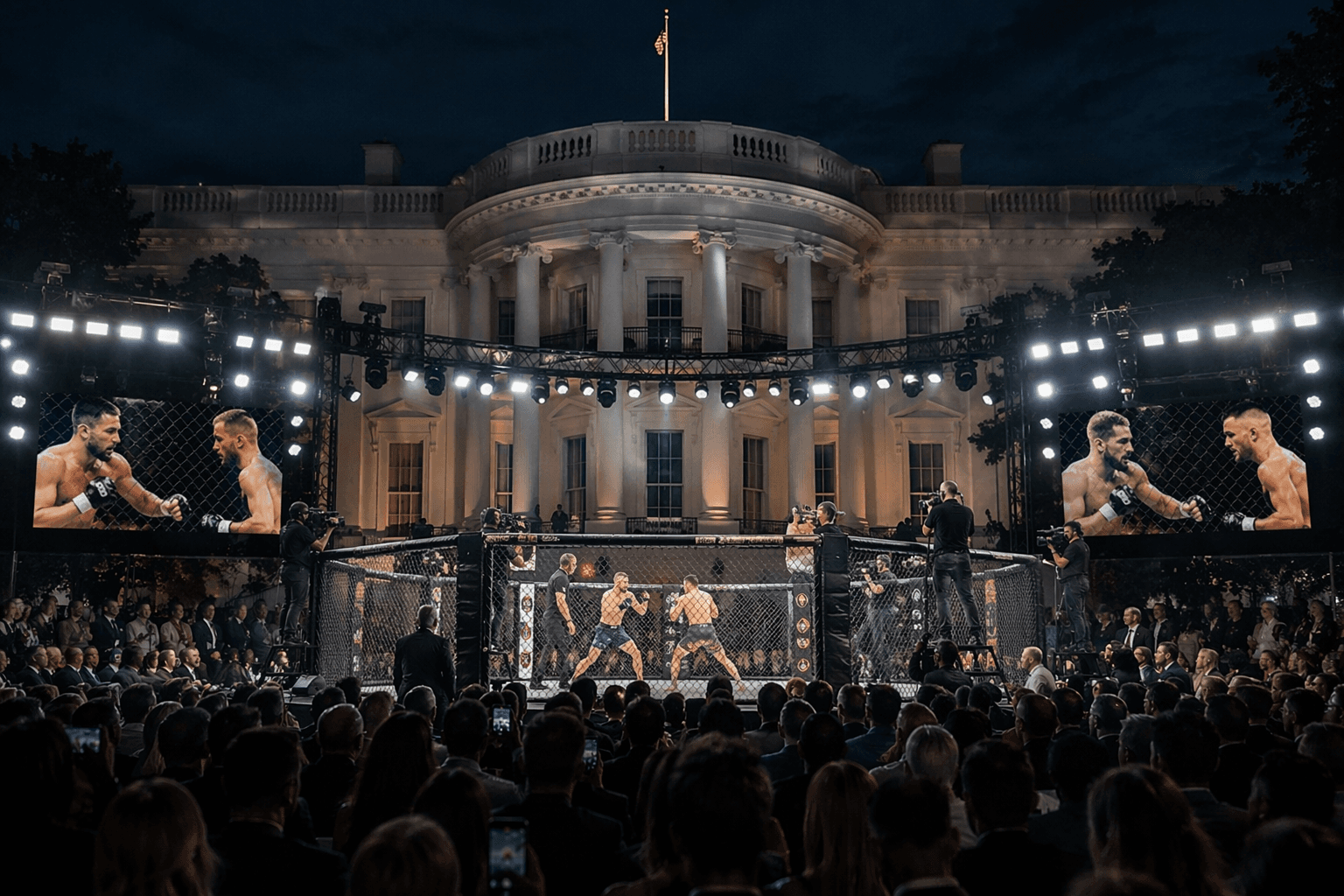
Crypto.com was announced April 11 as co-presenting partner and said it would fund a $1 million bonus pool for fighters paid in CRO, adding another layer of corporate gloss to the display. The main event centered on Ilia Topuria and Justin Gaethje fighting for the undisputed lightweight title, while UFC also built out programming around the Lincoln Memorial, the Ellipse and a retail pop-up downtown. The pageant landed on Trump’s 80th birthday and Flag Day, piling personal symbolism onto a national anniversary that was supposed to belong to the country, not one man.
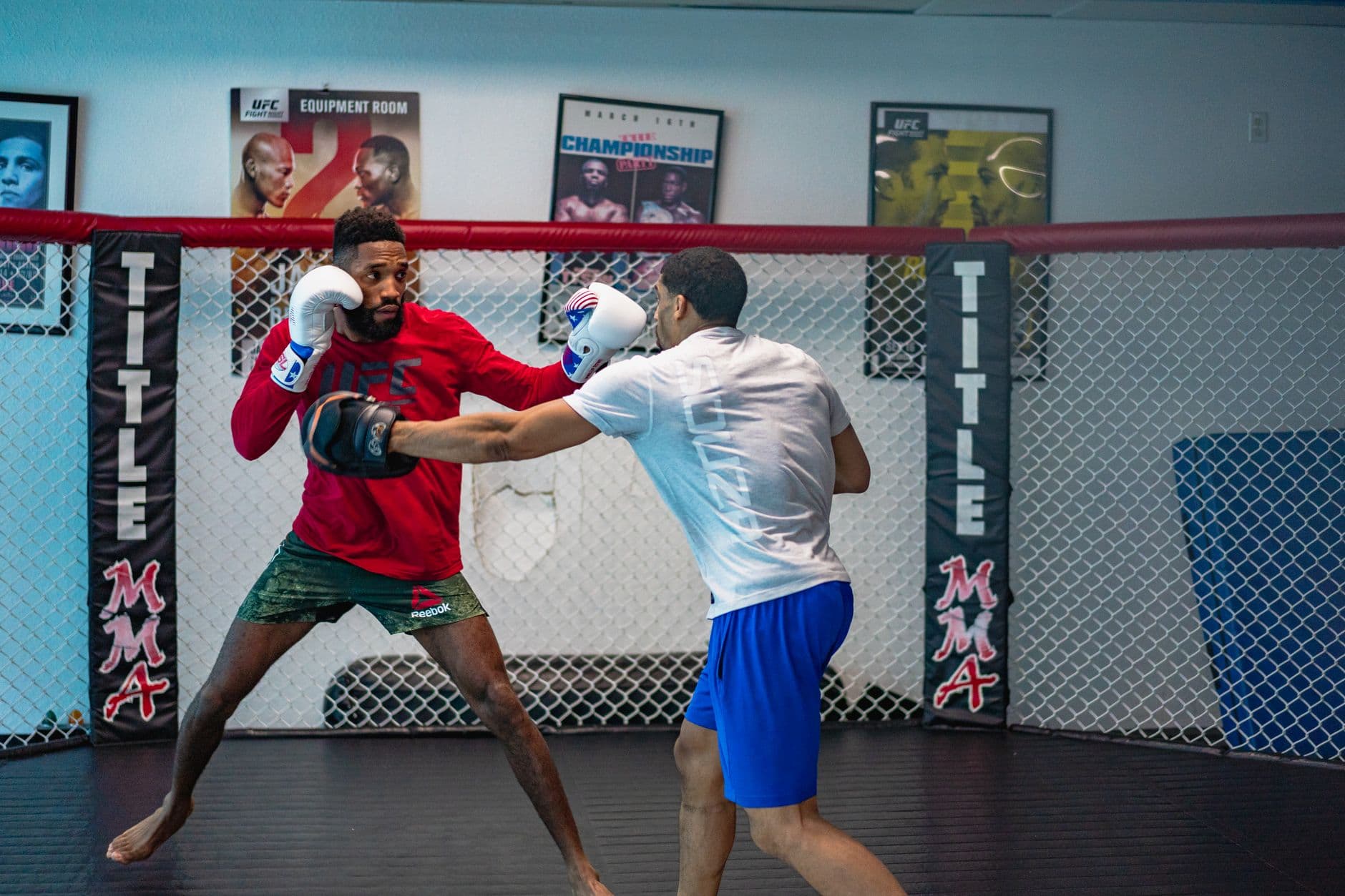
The reaction was sharply negative. A Reuters/Ipsos poll conducted June 3 to 8 with 4,531 U.S. adults found 16% said the event was appropriate, while 46% called it inappropriate. Only about one-third of Republicans backed it, a reminder that even within Trump’s own coalition there was unease about using the White House as a combat-sports backdrop. The margin of error was 2 percentage points.
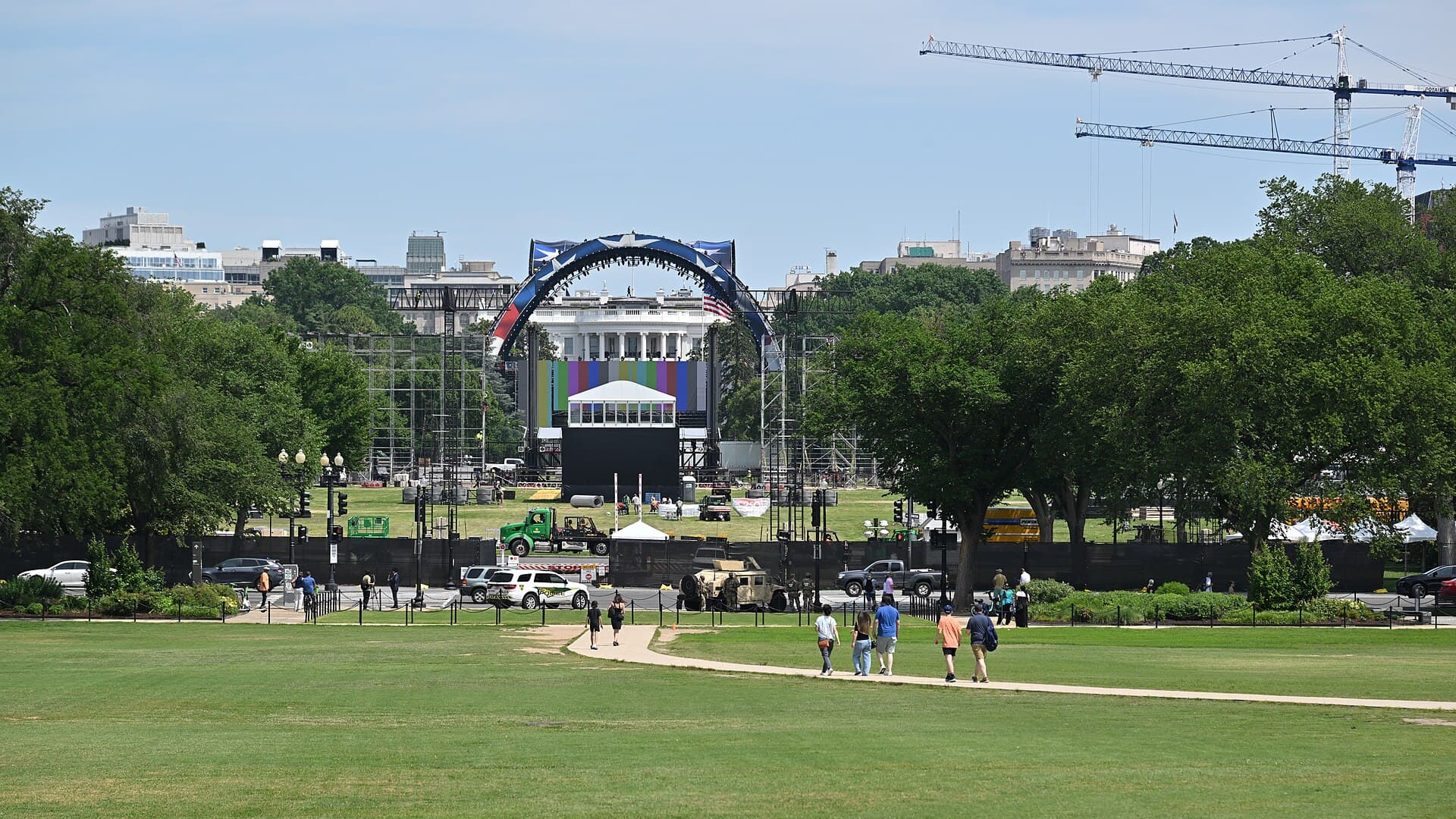
A federal lawsuit also sought to stop the event, arguing unlawful use of public land. Critics focused on the symbolism as much as the legality: a violent professional spectacle on federal grounds, presented with the polish of campaign branding and the scale of a premium entertainment launch. Historians noted that presidents have boxed, bowled and played sports at the White House, and Theodore Roosevelt even boxed there, but this was the first professional sporting event on the grounds. That difference mattered. The White House did not simply host sports; it was recast as an arena, with the presidency itself functioning like a venue operator for modern political entertainment.
This article was produced by Prism’s automated news system from verified source data, official records, and press releases, then run through automated quality and moderation checks before publishing. The system is built and supervised by the people who set the standards it runs under. Read our full AI policy.
Know something we missed? Have a correction or additional information?
Submit a Tip