Britain to ban social media for under-16s starting in 2027
Britain is moving toward a 2027 under-16 social media ban, but the real test is whether age checks can work at scale without exposing children to new privacy and speech risks.
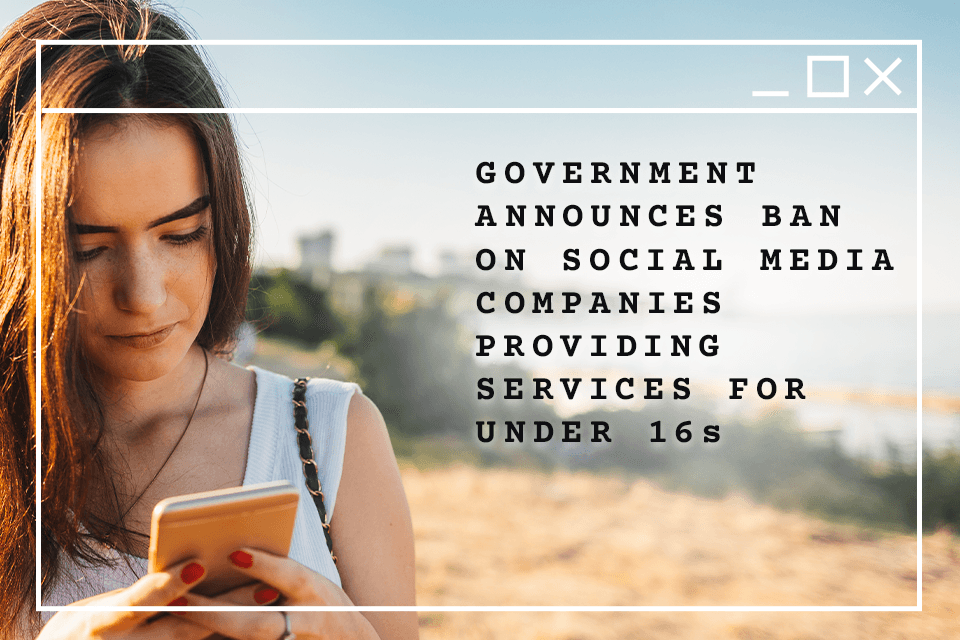
Britain is preparing to push social media companies out of the hands of under-16s, but the harder question is how that rule will be enforced without turning platforms into identity checkpoints. The government says the ban will come into force in Spring 2027 and will sit alongside tighter restrictions on harmful features such as livestreaming and stranger contact on some other services.
The plan is not being sold as a first step. Britain’s Online Safety Act already began requiring strong age checks for pornography and other harmful content on 25 July 2025, and the new package would go further by blocking social media providers from serving under-16s. Officials say they do not intend to include messaging services such as WhatsApp and Signal in the ban, a sign that ministers are trying to draw a line between open social feeds and private communication tools.

That distinction matters because enforcement will depend on what platforms are asked to collect, store and verify. Britain says it will require stronger age checks, but the government has not said it will rely on a single method. Australia’s experience shows why that choice is so difficult. Canberra’s under-16 social media law passed Parliament on 29 November 2024, took effect on 10 December 2025, and allows penalties of up to A$49.5 million for systemic breaches. Its eSafety regulator has already named Facebook, Instagram, Snapchat, TikTok, Threads, Twitch, Reddit, Kick, X and YouTube as age-restricted platforms, among others.
Australia also commissioned an Age Assurance Technology Trial, which found that age-assurance systems are possible but imperfect. That is the central enforcement problem Britain now inherits. To keep under-16s off major platforms, companies would likely need to collect and process more age-related data, creating a fresh set of privacy concerns while still leaving room for workarounds, errors and disputes over false positives. Supporters argue that is the price of protecting children from addictive design, cyberbullying and harmful content. Critics warn that blanket restrictions can drive young people into less regulated spaces and cut off support communities.
Britain is not alone in this push. Norway said on 24 April 2026 that it would present a bill to ban social media use until age 16 and shift age-verification responsibility to technology companies. France’s lower house approved a ban for children under 15 in January 2026, with a start date reported for September 2026 if it clears the Senate. Denmark has announced a plan for under-15s, with parental consent possible from age 13 on some platforms, and Sweden’s government-appointed commission recommended a minimum social-media age of 15 in June 2026. Across Europe, the politics are converging faster than the engineering, and the gap between symbolic child-safety promises and rules that can actually be policed at national scale is now the story.
This article was produced by Prism’s automated news system from verified source data, official records, and press releases, then run through automated quality and moderation checks before publishing. The system is built and supervised by the people who set the standards it runs under. Read our full AI policy.
Know something we missed? Have a correction or additional information?
Submit a Tip