Britain readies mine-hunting drones and warship for Hormuz mission
Britain had mine-hunting drones and HMS Dragon ready in Gibraltar as 6,000 ships sat blocked from Hormuz. The mission targeted a chokepoint carrying about 20 million barrels a day.
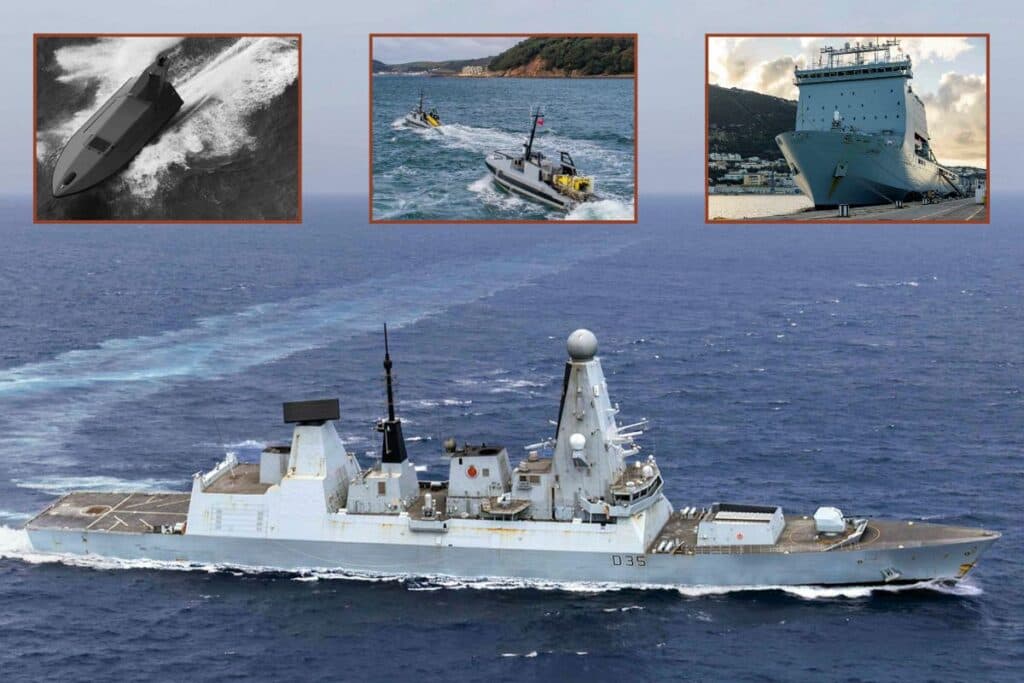
Britain positioned autonomous mine-hunting equipment, counter-drone systems and the warship HMS Dragon for a possible mission to the Strait of Hormuz, turning a narrow strip of water into a test of whether a diplomatic pause could become real commercial security. At Gibraltar, hundreds of British sailors aboard RFA Lyme Bay were waiting to deploy with ammunition and mine-hunting sea drones fitted with sonar, ready to move if conditions allowed.
The stakes reached far beyond naval logistics. The Strait of Hormuz is only 29 nautical miles wide at its narrowest point, and the shipping lanes in either direction are just two miles wide, with a buffer zone separating them. In 2025, about 20 million barrels per day of crude oil and petroleum products moved through the waterway, making it one of the world’s most sensitive oil chokepoints and a route whose disruption can quickly affect global fuel markets, freight costs and shipping insurance.
The UK Ministry of Defence said on May 12 that the operation would be backed by £115 million in new funding for mine-hunting drones and counter-drone systems. Britain also said the Royal Navy’s modular Beehive system could launch high-speed autonomous Kraken drone boats, and that HMS Dragon was already heading to the Middle East after additional training and calibration. The force was being assembled as part of a broader multinational effort with representation from more than 40 nations at a virtual summit of defence ministers.

The immediate deployment planning centered on Gibraltar, where RFA Lyme Bay was being loaded before linking up with HMS Dragon and allied ships. From there, the force would travel through the Suez Canal toward the Persian Gulf if the mission went ahead. Armed Forces Minister Al Carns said the operation could involve 40 nations and was being led by Britain and France, reflecting a coalition approach designed to keep the strait open without escalating the conflict further.
The mine threat was not theoretical. In April 1988, the frigate USS Samuel B. Roberts struck a deliberately laid Iranian moored contact mine in the Persian Gulf, a reminder of how one hidden explosive can trigger a wider confrontation. Naval analysts have warned that mine countermeasures remain slow, dangerous and vulnerable in the cramped waterway even when autonomous systems are used.

The pressure on shipping was already visible. At least 6,000 ships had been blocked from passing through the strait since the conflict began, and the United Nations maritime agency warned in late April that ships and seafarers had become leverage in geopolitical disputes. Britain’s message was that mine-hunting readiness was not just about naval force; it was about restoring enough confidence for tankers, insurers and commercial operators to use one of the world’s most important energy routes again.
This article was produced by Prism’s automated news system from verified source data, official records, and press releases, then run through automated quality and moderation checks before publishing. The system is built and supervised by the people who set the standards it runs under. Read our full AI policy.
Did this article answer your question?