Britain sets 87% emissions cut target for 2038 to 2042
Britain has set an 87% emissions cut for 2038 to 2042, with 535 MtCO2e now on the table. The hard part is proving how power, transport, heating and industry will deliver it.
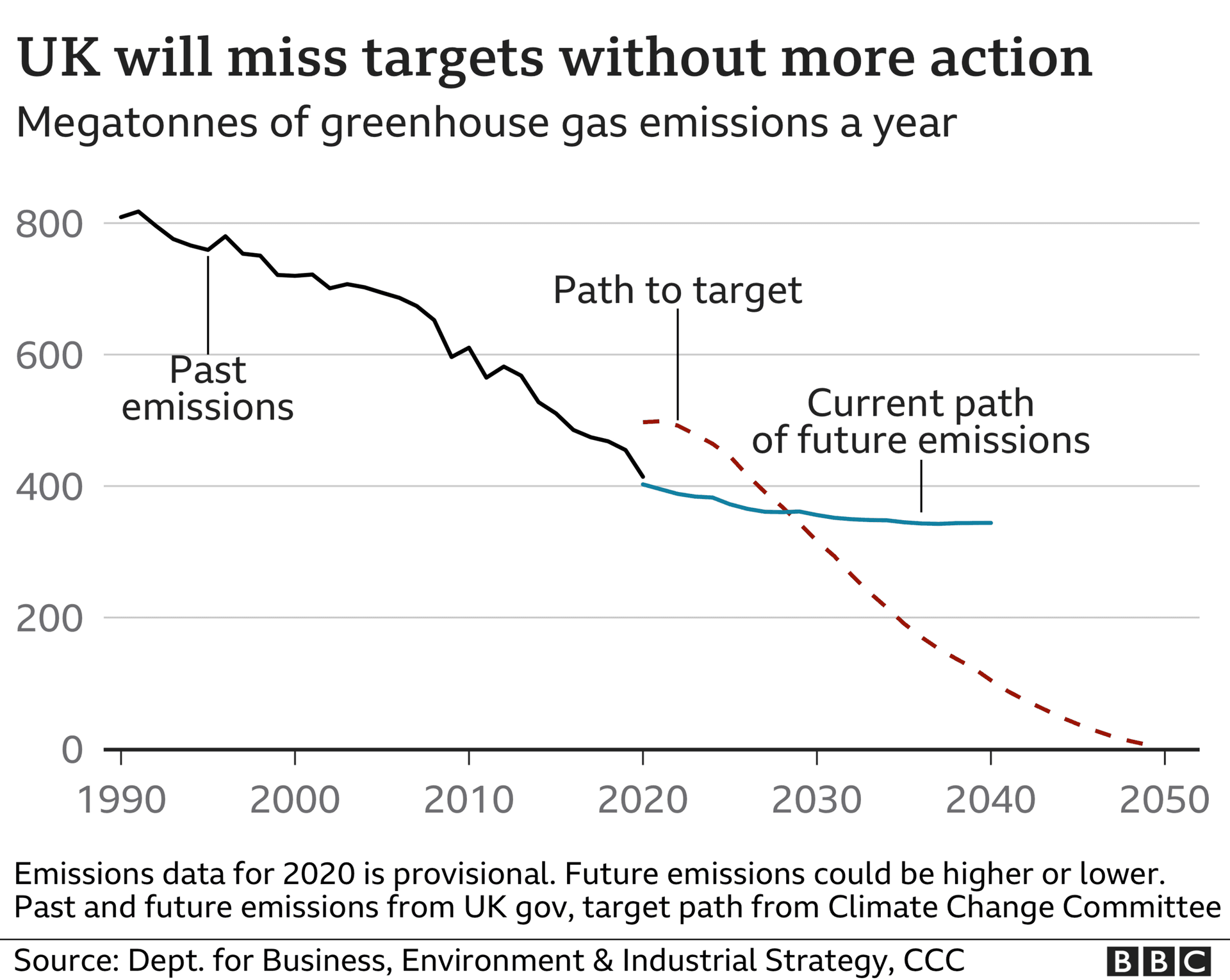
Britain has locked in a target to cut greenhouse-gas emissions by about 87% in the 2038 to 2042 carbon budget, putting a 535 MtCO2e ceiling on the country’s next major climate test and tightening the legal path toward net zero by 2050. The draft Carbon Budget 7 Order was laid before Parliament on June 2, 2026, making the headline number public while the more difficult question of delivery remains unresolved.
The target matters because it is not just a climate marker but a policy reckoning. Under the Climate Change Act 2008, Britain uses five-year carbon budgets to force emissions down in stages, and the seventh budget is now the key checkpoint between the government’s earlier 2030 pledge and its 2050 endgame. Ministers have not yet published the detailed delivery framework that would show where the cuts come from, how quickly regulation will tighten, or which spending decisions will carry the heaviest load.
That absence will now be scrutinized. The House of Commons Environmental Audit Committee said on March 4, 2026 that the seventh carbon budget is critical to the United Kingdom’s statutory path to net zero and urged ministers to publish a draft delivery framework alongside the target. The committee said the level recommended by the Climate Change Committee was technically credible and necessary to keep the emissions trajectory intact.

The hard work falls across the parts of the economy that still depend most heavily on fossil fuels: power generation, transport, home heating and industry. The Climate Change Committee advised on February 26, 2025 that the budget should be set at 535 MtCO2e, arguing that electrification would deliver 60% of emissions reductions by 2040. It estimated the pathway’s net cost at about 0.2% of GDP a year on average, while analysis cited by Carbon Brief suggested households could see costs fall by about £1,400 over time.
The government has framed the target as a matter of energy security as much as environmental policy. Ed Miliband said Britain faced a second fossil-fuel shock of the decade and argued that the answer was to build clean, homegrown power the country controls. That pitch links climate ambition to industrial strategy, jobs and investment, but it also raises the political stakes: Britain’s earlier headline promise was a 68% emissions cut by 2030 from 1990 levels, set in December 2020, and this new target sharpens the pressure on any future government to show that long-range ambition can be matched by near-term action.
This article was produced by Prism’s automated news system from verified source data, official records, and press releases, then run through automated quality and moderation checks before publishing. The system is built and supervised by the people who set the standards it runs under. Read our full AI policy.
Did this article answer your question?