Britain to upgrade train wifi, campaigners say fares matter more
Britain will spend £57m on train wifi, but campaigners say passengers care more about fares, delays and cancellations than patchy signal.

Britain is set to spend £57m upgrading train wifi, but campaigners say the real pressure on passengers remains the cost of travel, overcrowding, delays and cancellations.
The Department for Transport says the scheme, backed by funding secured in the 2025 spending review, will retrofit the majority of Great British Railway mainline trains by 2030. The procurement notice says the plan will combine existing mobile network connections with low-Earth-orbit satellite internet, lifting coverage and speeds while upgrading on-board equipment to current standards.
The work follows trial runs across operators including LNER, South Western Railway and Great Western Railway. Ministers said a South Western Railway trial delivered 97% coverage through the New Forest, one of the network’s hardest connectivity blackspots. The government says Project Reach is meant to remove mobile signal dead zones across the rail network and support a more passenger-focused railway under Great British Railways.
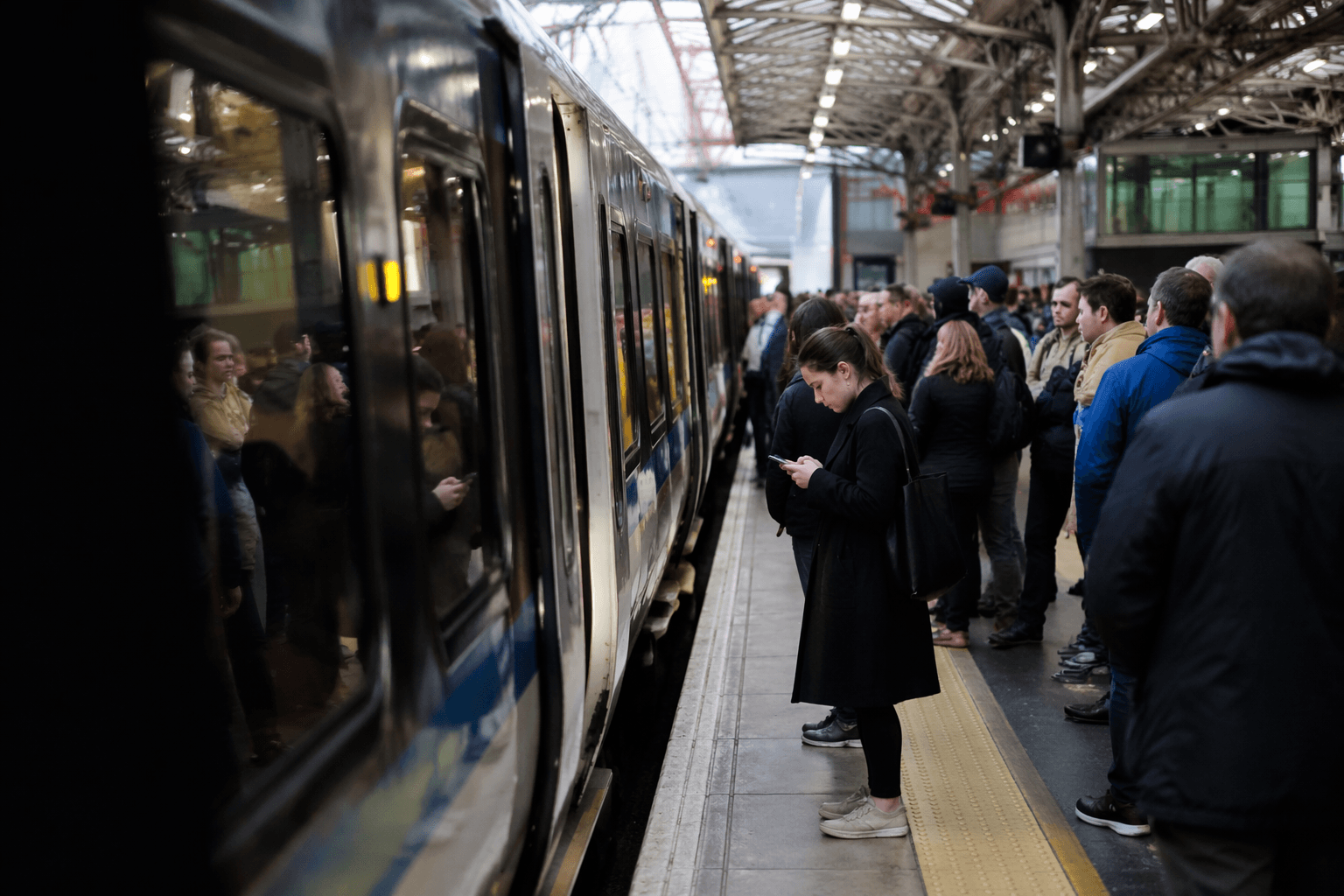
Campaigners welcomed the technology as a meaningful improvement, but argued that wifi is not what most rail users rank first. Michael Solomon Williams of Campaign for Better Transport said unreliable internet was not the main reason people avoid trains. Bruce Williamson of Railfuture said patchy wifi was not the top priority and pointed instead to the cost of travel, overcrowding and reliability.
That clash cuts to the heart of the government’s rail strategy. Alongside the connectivity push, ministers have also announced a rail fares freeze in late 2025 for services in England and operators under English control, while the wider restructuring around Great British Railways continues to move through Parliament. The Railways Bill was introduced on 5 November 2025 and reintroduced in the House of Commons on 14 May 2026.

For passengers heading through long rural stretches, better signal may make work journeys and streaming less frustrating. But the political question remains whether a smarter connection on board is genuine modernization or a more visible fix for a railway still defined by fares, cancellations and trains that do not reliably arrive on time.
This article was produced by Prism’s automated news system from verified source data, official records, and press releases, then run through automated quality and moderation checks before publishing. The system is built and supervised by the people who set the standards it runs under. Read our full AI policy.
Know something we missed? Have a correction or additional information?
Submit a Tip
