Midterm map fights, Trump’s revenge primaries and Democratic turnout surge
Trump is reshaping GOP primaries as Democrats bank on turnout and map fights to contest Congress. The redistricting scramble could move as many as 19 seats.

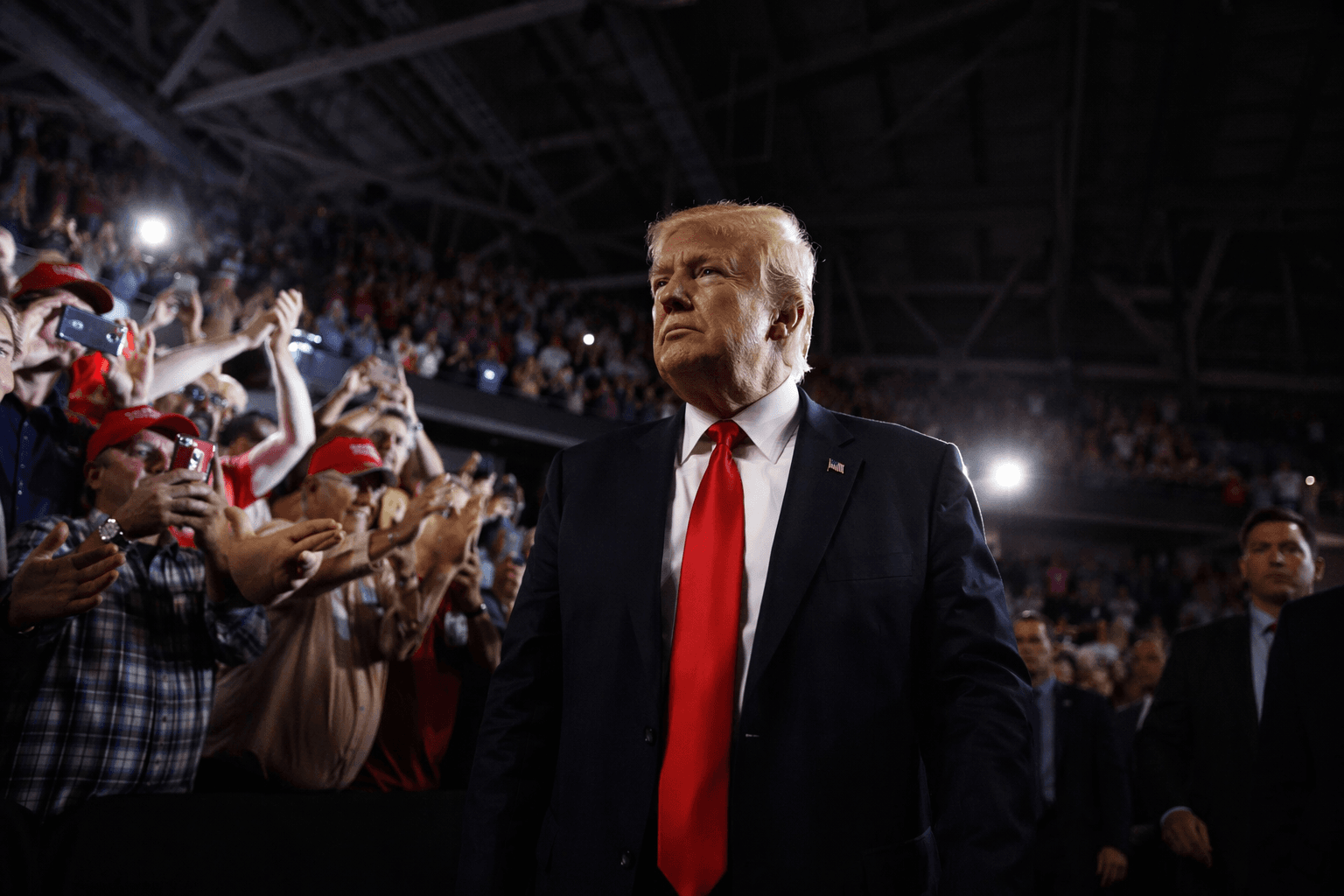
Donald Trump is turning the 2026 midterms into a test of loyalty inside the Republican Party even before voters cast ballots for Congress. His intervention in GOP primaries has already helped topple incumbents in Indiana, Louisiana and Kentucky, and the fight in Kentucky’s 4th Congressional District, where Trump has backed a challenger to Rep. Thomas Massie, has become the costliest House primary on record.
That intraparty warfare matters because the 2026 elections will decide control of Congress and the final two years of Trump’s second term. About one-third of the U.S. Senate and all 435 House seats are on the ballot, which makes a handful of primaries and map fights far more consequential than their local labels suggest. A Republican nomination fight in Kentucky or North Carolina can change not just a district map, but the balance of power in Washington and the direction of spending, oversight and committee control.
Democrats are betting that their own turnout surge can blunt Trump’s advantage. Recent election results in Virginia, New Jersey and California pointed to strength in off-year contests and special elections, suggesting the party can still mobilize when Trump is not on the presidential ballot. That matters in a midterm year when enthusiasm, rather than persuasion alone, often decides whether the House shifts hands.
Redistricting is adding another layer of volatility. Brookings estimates that mid-decade map changes could produce as many as nine new Republican seats and 10 new Democratic seats overall, though the final impact is still uncertain. Texas passed a new congressional map last summer that favored Republicans. California voters approved Proposition 50 in November 2025, authorizing new Democratic-drawn districts starting with the 2026 elections. Virginia approved a temporary redistricting question on April 21, 2026, but the issue remains tied up in judicial appeal proceedings.
The U.S. Supreme Court has also changed the terrain. Brookings says a recent redistricting ruling could benefit Republicans by weakening protections for minority representation in Congress, while also triggering fresh constitutional and legal arguments. With Florida, Texas, California and Virginia all part of the broader map war, the battle is no longer just about drawing lines. It is about which party gets the first shot at shaping Congress before a single general election vote is counted.
This article was produced by Prism’s automated news system from verified source data, official records, and press releases, then run through automated quality and moderation checks before publishing. The system is built and supervised by the people who set the standards it runs under. Read our full AI policy.
Know something we missed? Have a correction or additional information?
Submit a Tip