Britain's political turmoil deepens as Starmer faces leadership pressure
Starmer is fighting a Labour revolt as Britain’s sixth prime minister since 2016, a sign the real crisis is government instability, not one leader.

Keir Starmer is under pressure from within his own party at a moment when Britain’s governing problem looks bigger than any single leader. The United Kingdom has had six prime ministers in less than 10 years, and Starmer now faces growing calls to become the seventh, a churn that has repeatedly disrupted policy, unsettled voters and weakened confidence in Westminster’s ability to hold a course.
The latest strain comes from Labour’s own ranks. LabourList reported that close to 100 Labour MPs were calling for Starmer to resign or set out a timetable for departure, while 111 Labour MPs signed a statement backing him. The same reporting said Labour lost control of more than 30 councils and around 1,500 councillors in local and devolved elections, turning an internal dispute into a wider warning about the party’s grip on power across England, Scotland and Wales.

Starmer, who became prime minister on 5 July 2024 after leading Labour into office from opposition, told his Cabinet he has no intention of resigning. The Labour leadership challenge process has not been triggered, but the political damage is already visible: multiple junior ministers have quit in protest, and the situation has created weeks of uncertainty over Starmer’s future.
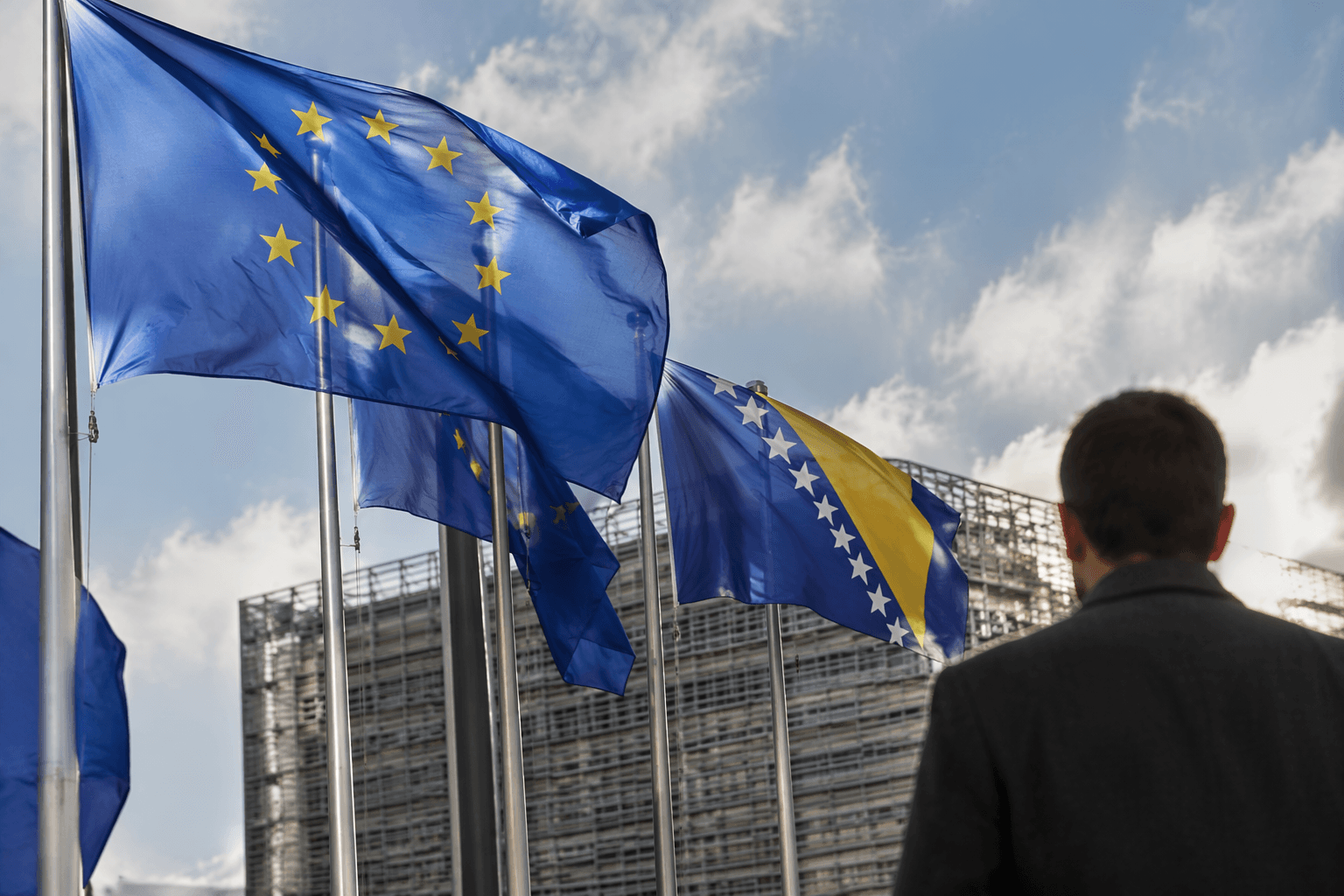
The deeper fault line runs back to Brexit. The 23 June 2016 referendum split the country, with about 52 percent voting to leave the European Union, and the UK formally left on 31 January 2020. Theresa May resigned in July 2019 after failing repeatedly to get parliamentary approval for her Brexit deal, an early sign that Brexit had become a machine for breaking governments as much as a policy project. Since then, the country has cycled through David Cameron, Theresa May, Boris Johnson, Liz Truss, Rishi Sunak and now Starmer, each premiership exposed to a different version of the same instability.
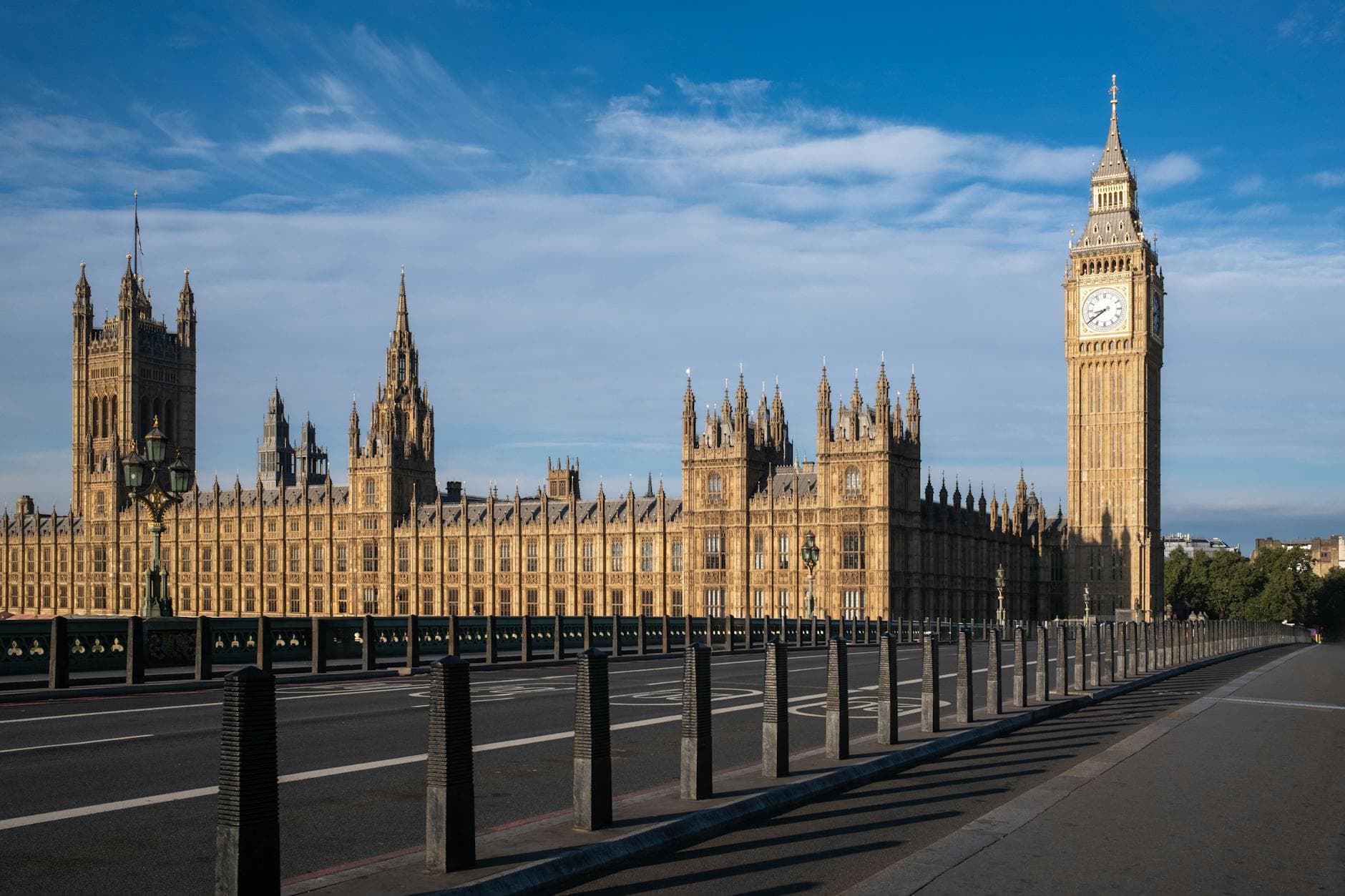
What makes this crisis different is that Starmer is not being forced out by a general election defeat, a market panic or a formal leadership contest. He is being squeezed by a governing party that won office only months ago and is already splitting over authority, direction and the credibility of its mandate. If Labour cannot restore discipline, the result will not just be another Westminster reshuffle. It will be further evidence that Britain still has not repaired the political damage that began with Brexit and has yet to stop reverberating through the state.
This article was produced by Prism’s automated news system from verified source data, official records, and press releases, then run through automated quality and moderation checks before publishing. The system is built and supervised by the people who set the standards it runs under. Read our full AI policy.
Did this article answer your question?