British commandos board sanctioned Russian tanker in English Channel
British commandos and NCA officers boarded a sanctioned shadow-fleet tanker in the Channel, a rare hands-on strike against Russia’s oil trade.
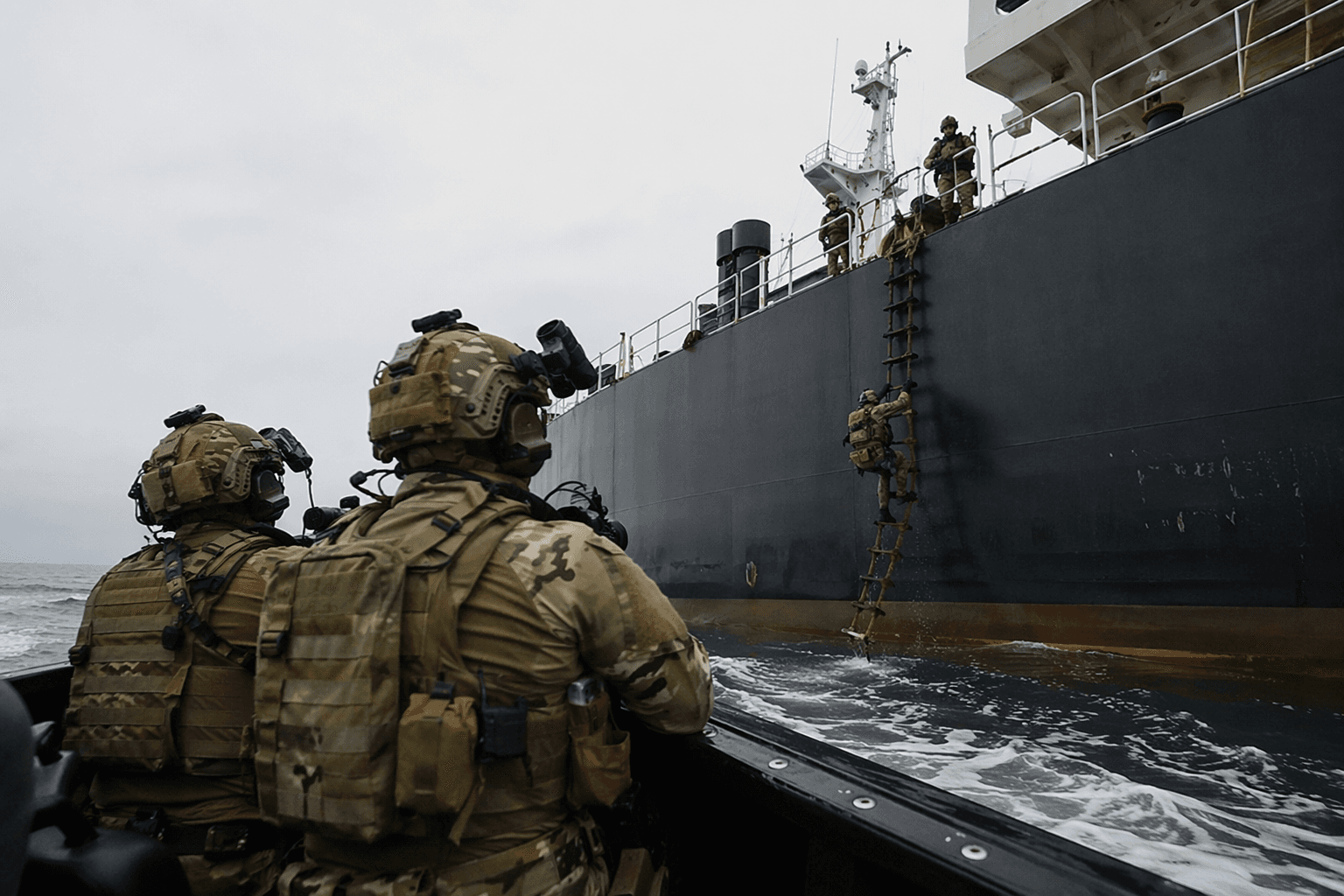
British commandos boarded a sanctioned Russian shadow-fleet tanker in the English Channel in a direct challenge to the oil network that helps fund Moscow’s war in Ukraine. The vessel, Smyrtos, sailed under the Cameroonian flag and was intercepted in the early hours of Sunday in UK territorial waters, with Royal Marine Commandos and National Crime Agency officers going aboard under helicopter cover.
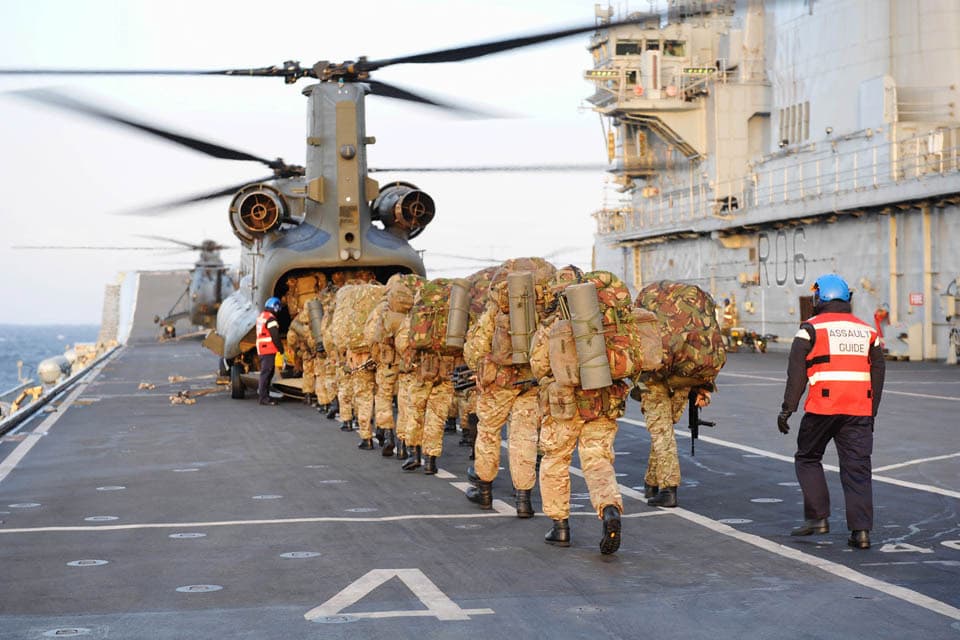
The operation stood out because it was not just a paperwork sanction or a port call denial. British forces used Chinook helicopters, other aircraft, a frigate and a minehunter to support the boarding, while Royal Navy reporting said two warships and helicopters from the Maritime Air Group took part. Separate details identified Merlin, Wildcat and Chinook helicopters, a P-8 Poseidon maritime patrol aircraft, HMS Sutherland and HMS Ledbury as part of the support package. Lieutenant Colonel Tom Quinn said the crew did not resist and that the dialogue aboard ship was professional and safe.
The government has framed the boarding as part of a wider campaign against Russia’s shadow fleet, the opaque tanker network that moves crude outside normal sanctions channels. Smyrtos had already been designated on the UK Sanctions List on 15 October 2025, and the list says specified ships can face port access restrictions, detention directions, port entry directions and movement directions. That makes the interception both an enforcement action and a warning that Britain is prepared to act on the water, not only on sanctions lists.
The political message was immediate. Keir Starmer called the operation a successful blow to Russia, while Volodymyr Zelenskiy welcomed the detention. Ukraine’s foreign minister publicly thanked Britain for its “leadership and decisive action.” Defence Secretary Dan Jarvis later told the House of Commons that the interdiction formed part of broader UK operational activity against the Russian shadow fleet.
The boarding also carries market implications. The National Crime Agency has described shadow-fleet evasion as relying on deliberately obscure ownership structures and front companies, a setup that raises the risk profile for insurers, shipowners, traders and port operators. Britain said in September 2024 that it had sanctioned 10 shadow-fleet vessels, then in November 2024 said it had sanctioned up to 100 oil tankers that had carried more than $24 billion worth of cargo since the start of 2024. The latest figure put out by London says it has now sanctioned 73 shadow-fleet oil tankers, more than any other nation.
By moving from sanctions to physical interdiction in the Channel, Britain has set a sharper precedent for maritime enforcement. If repeated, the tactic could make Russian oil shipments costlier, riskier and harder to insure, while testing how far Western governments are willing to go to choke off the revenue stream behind the war.
This article was produced by Prism’s automated news system from verified source data, official records, and press releases, then run through automated quality and moderation checks before publishing. The system is built and supervised by the people who set the standards it runs under. Read our full AI policy.
Did this article answer your question?