Britons split on King Charles' U.S. state visit, polling shows
Nearly half of Britons said King Charles should refuse his U.S. invitation, even as Washington rolled out state visit ceremony to mark 250 years of American independence.
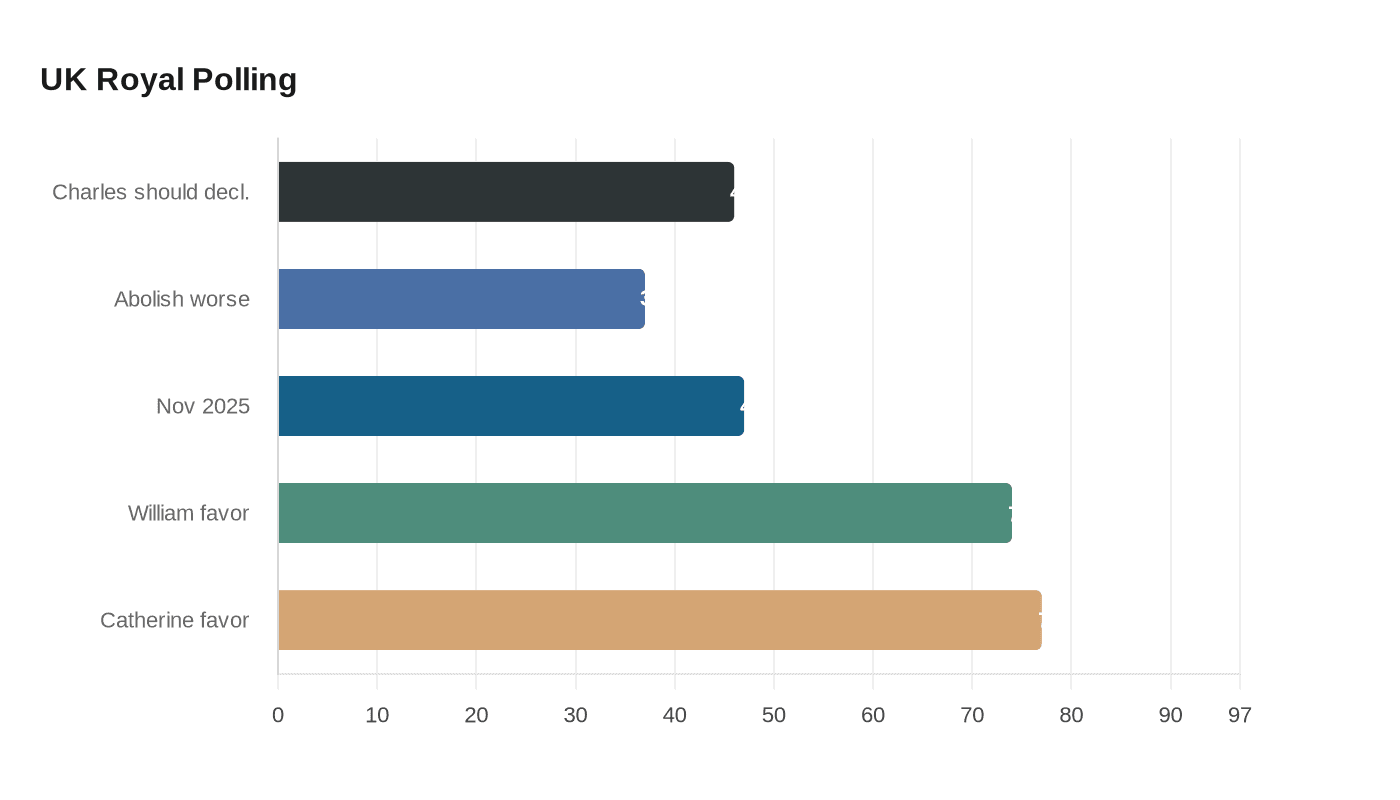
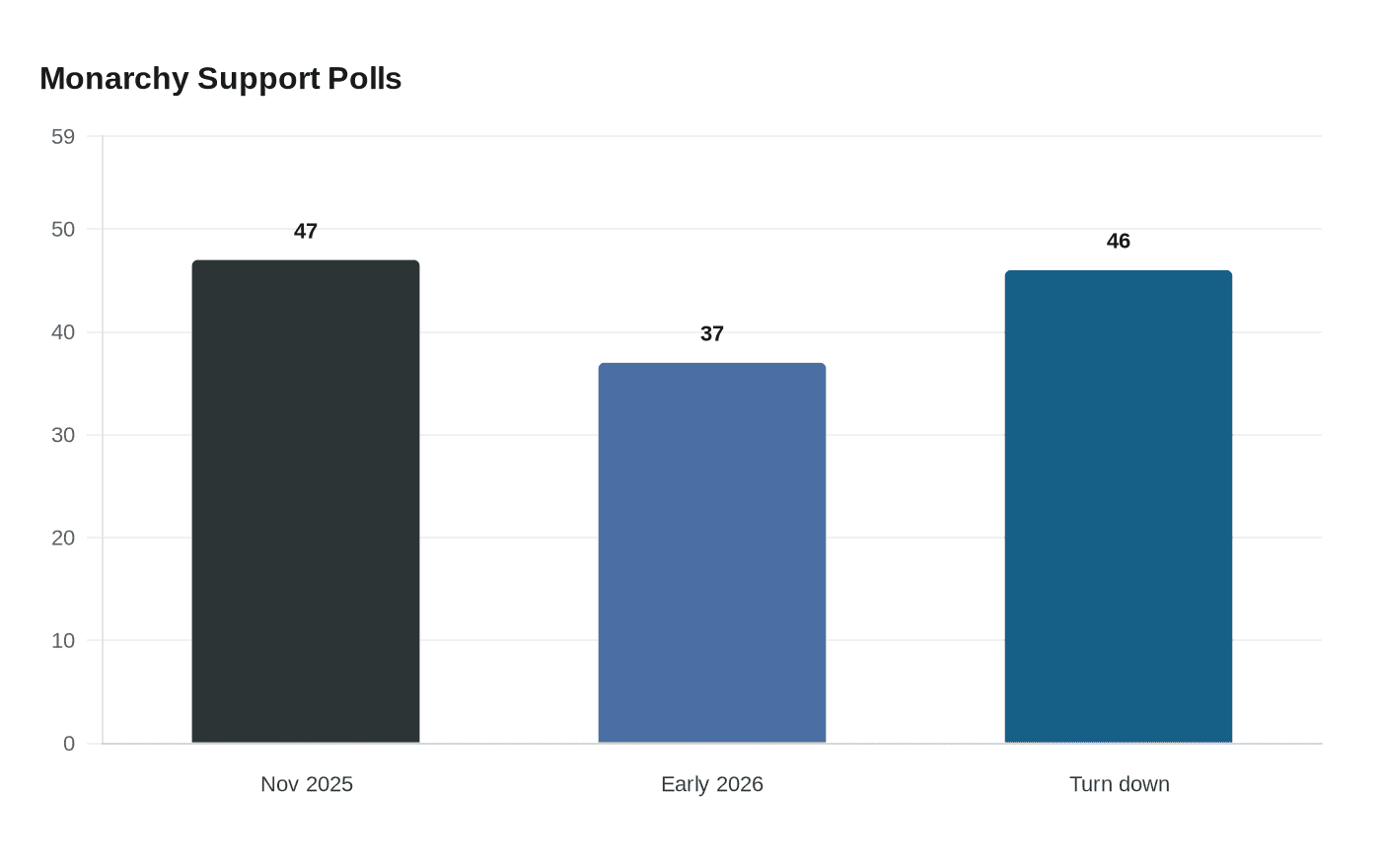
Britons greeted King Charles III’s U.S. state visit with skepticism, setting up a direct test of whether royal diplomacy still carries enough weight to justify the pageantry. A YouGov poll found 46% thought the King should turn down the invitation, while another survey found only about a third backed the trip, underscoring public doubt at home as Donald Trump hosted the monarch and Queen Camilla in Washington, D.C.
The four-day visit began on Monday, April 27, 2026, and was billed as the first UK state visit to the United States since Queen Elizabeth II’s in 2007. The timing was deliberate. It was designed to reinforce the U.S.-UK “special relationship” and to place the monarchy at the center of ceremonies marking the 250th anniversary of American independence, even as the two countries navigate a more brittle political and economic climate.
The White House opened the trip with a tea for Charles and Camilla on April 27, followed by a state dinner on April 28. Those events gave the visit the full machinery of ceremonial diplomacy, with the Trump administration using the royal couple’s presence to signal continuity, symbolism and transatlantic ties. Reporting also indicated the program would extend beyond Washington, with a later stop in Bermuda planned for May 1 to May 2.
Yet the polling showed the monarchy’s soft power is no longer a settled asset. YouGov’s January 2026 trackers still put Prince William and Catherine, Princess of Wales, well ahead of the rest of the family, with roughly 74% to 77% of Britons viewing them favorably. King Charles, by comparison, was viewed less warmly than the Waleses, a reminder that the crown’s personal appeal is uneven even when the institution remains visible on the world stage.
Ipsos has also found a slight cooling in attitudes toward the monarchy itself. In early 2026, 37% of Britons said abolishing the monarchy would be worse for the country, down from 47% in November 2025. That decline does not point to a collapse in support, but it does suggest a thinner margin of public consent for expensive ceremonial diplomacy at a time of pressure on household finances and public services.
The visit therefore landed as more than a state occasion. It became a measure of whether the monarchy’s overseas value still outweighs domestic unease, and whether royal diplomacy can continue to command attention in an era when taxpayer expectations are sharper and public patience for symbolic grandeur is weaker.
This article was produced by Prism’s automated news system from verified source data, official records, and press releases, then run through automated quality and moderation checks before publishing. The system is built and supervised by the people who set the standards it runs under. Read our full AI policy.
Did this article answer your question?


