Ukraine strikes Russian oil station deep inside country, Zelenskiy vows longer range attacks
Ukraine hit an oil pumping station near Perm, 1,500 kilometers inside Russia, as Zelenskiy promised to keep extending drone range.
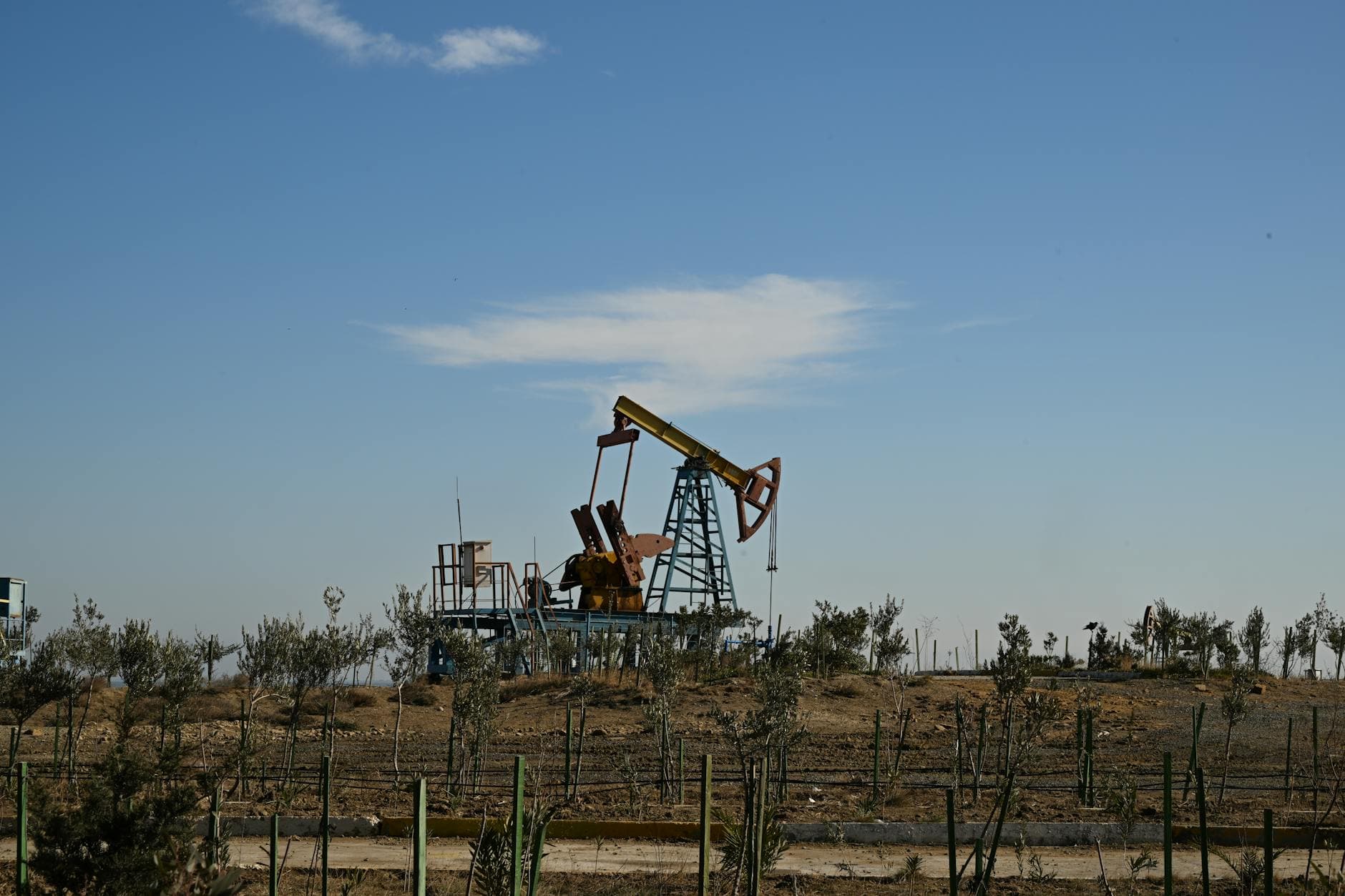
Ukraine said it struck an oil pumping station about 1,500 kilometers inside Russia, near the Ural Mountains, in a drone attack that sent smoke billowing into the sky and underscored how far Kyiv’s reach had extended beyond the front line.
President Volodymyr Zelenskiy said the strike marked “a new stage in the use of Ukrainian weapons to limit the potential of Russia’s war,” framing the attack as part of a broader campaign to squeeze Moscow’s ability to finance and supply its invasion. He said the distance was “over 1,500 kilometres” and added, “We will continue to extend these ranges,” signaling that long-range strikes were no longer a one-off response but a standing feature of Ukraine’s strategy.
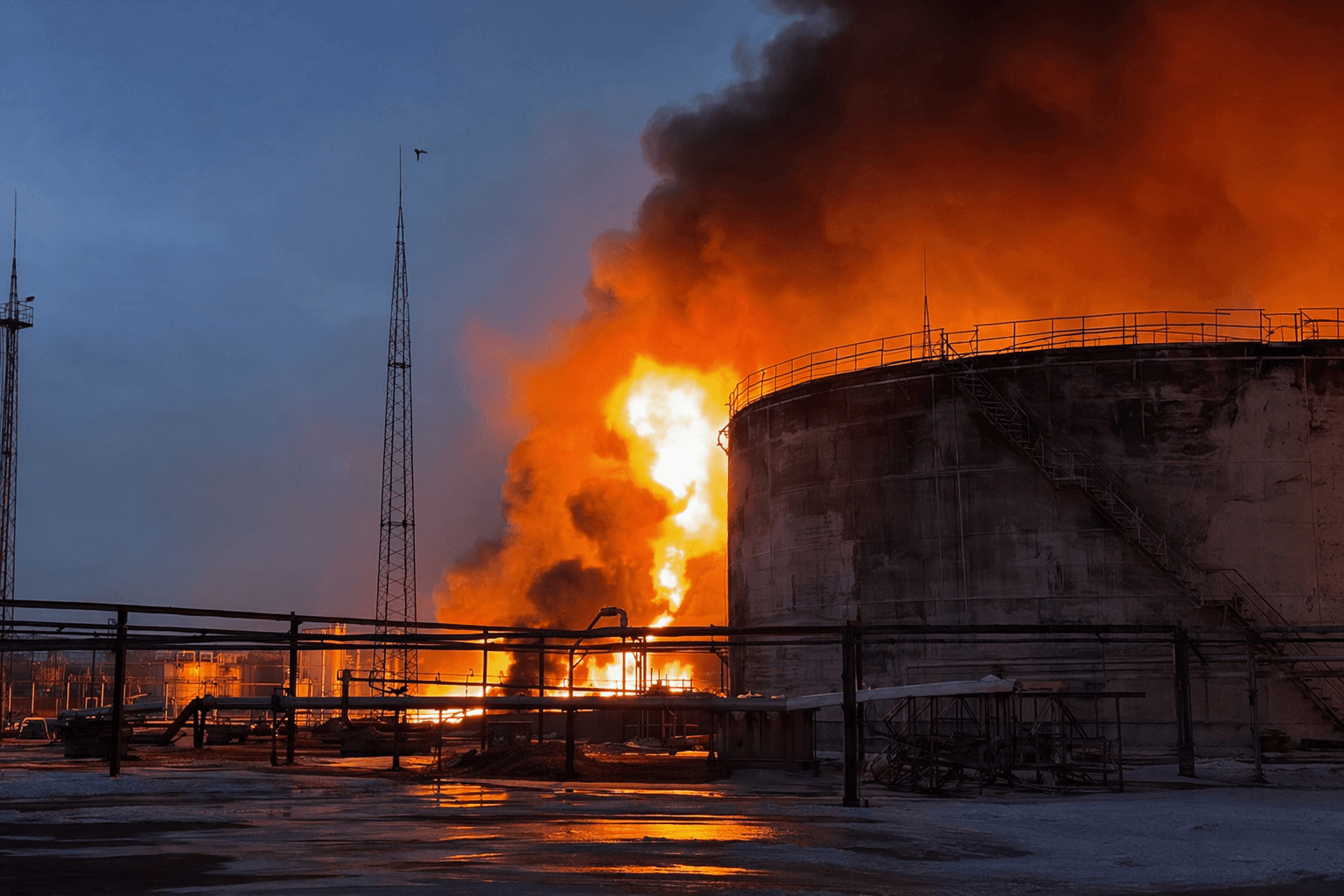
Ukraine’s SBU security service later identified the target as a Russian oil pumping station near Perm. A video Zelenskiy posted showed smoke rising after the strike, while the regional Russian governor reported a fire at an industrial facility, offering a local confirmation that damage had occurred even as the Kremlin did not immediately provide a detailed account.
The attack fit a pattern that has gathered pace in recent weeks, as Kyiv has stepped up raids on refineries, fuel depots and ports tied to Russia’s war economy. Those assets matter because they sit at the junction of military logistics and state revenue: every disruption raises the cost of moving fuel, constrains supply chains and threatens the cash flow that helps sustain the war effort. Hitting a pumping station deep in Russia also changes the psychological map of the conflict, showing that infrastructure once assumed to be beyond reach is now exposed.
The strike landed as global oil prices were already under pressure from the Iran war, adding another layer of risk to energy markets that have become increasingly sensitive to shocks from multiple fronts. That overlap matters because damage to Russian energy infrastructure can feed into broader price volatility, even if the immediate effect is measured in local fire damage and interrupted operations rather than an outright supply collapse.
For Moscow, the message was not just that Ukrainian drones could reach farther, but that Russia’s interior had become a more vulnerable economic target. For Kyiv, the objective was equally clear: to make the war more expensive for the Kremlin, one fuel node at a time.
This article was produced by Prism’s automated news system from verified source data, official records, and press releases, then run through automated quality and moderation checks before publishing. The system is built and supervised by the people who set the standards it runs under. Read our full AI policy.
Did this article answer your question?