Iran threatens tolls on Strait of Hormuz, rattling global shipping
Tehran’s toll threat on the Strait of Hormuz jolted oil markets, with even a hint of fees capable of lifting insurance costs and U.S. gasoline prices.
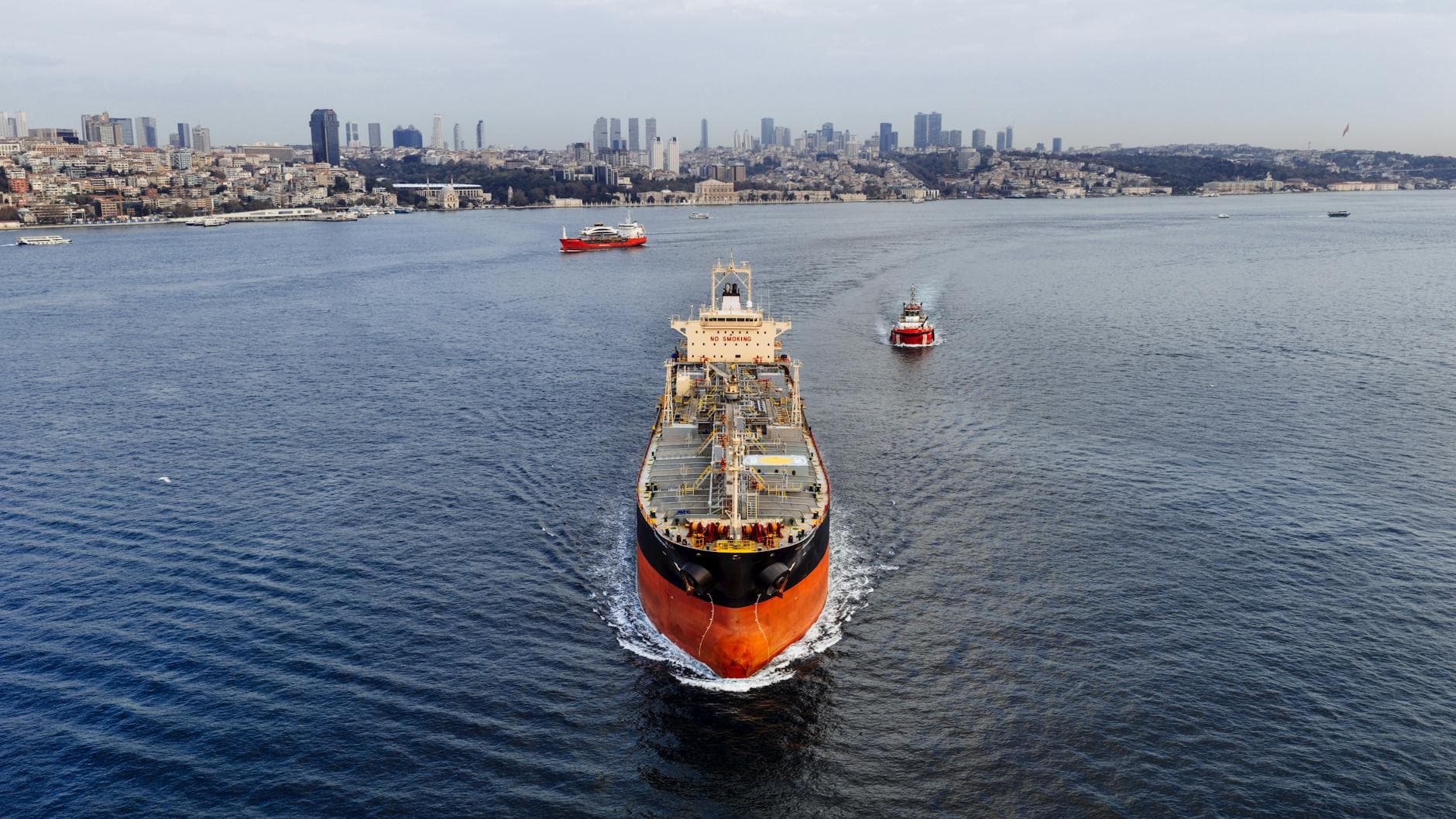
Iran’s threat to charge ships for passage through the Strait of Hormuz has pushed a fragile shipping route deeper into the center of the global oil market. The waterway carries about 20% of the world’s oil, and even talk of a toll has been enough to unsettle tanker operators, insurers and energy traders.
Tehran tied the idea to its effort to regain leverage in the war with the United States and Israel, making toll collection a condition for reopening the strait vital to world oil supplies. The White House opposed the idea, and Gulf oil producers also rejected it. Karen Young, the Columbia energy scholar quoted by CNBC, said Gulf Cooperation Council states, including the United Arab Emirates, Saudi Arabia and Oman, would not tolerate any Iranian toll booth or side bargain over transit.
The market reaction reflected how quickly a chokepoint scare can spread beyond the Gulf. Reuters-affiliated reporting quoted by CNBC said Brent crude jumped above $165.65 a barrel and West Texas Intermediate rose above $93.59 during the conflict, a move that fed directly into higher gasoline prices in the United States and Europe. AP said the disruption also caused immediate shortages in some Asian countries that depend on Gulf energy and threatened global economic growth.
The legal case against any Iranian toll scheme is straightforward. AP noted that the United Nations Convention on the Law of the Sea, which took effect in 1994, codifies freedom of peaceful navigation. A toll imposed on commercial passage would collide with that norm and test how far Iran can press its claim over one of the world’s most important maritime arteries.
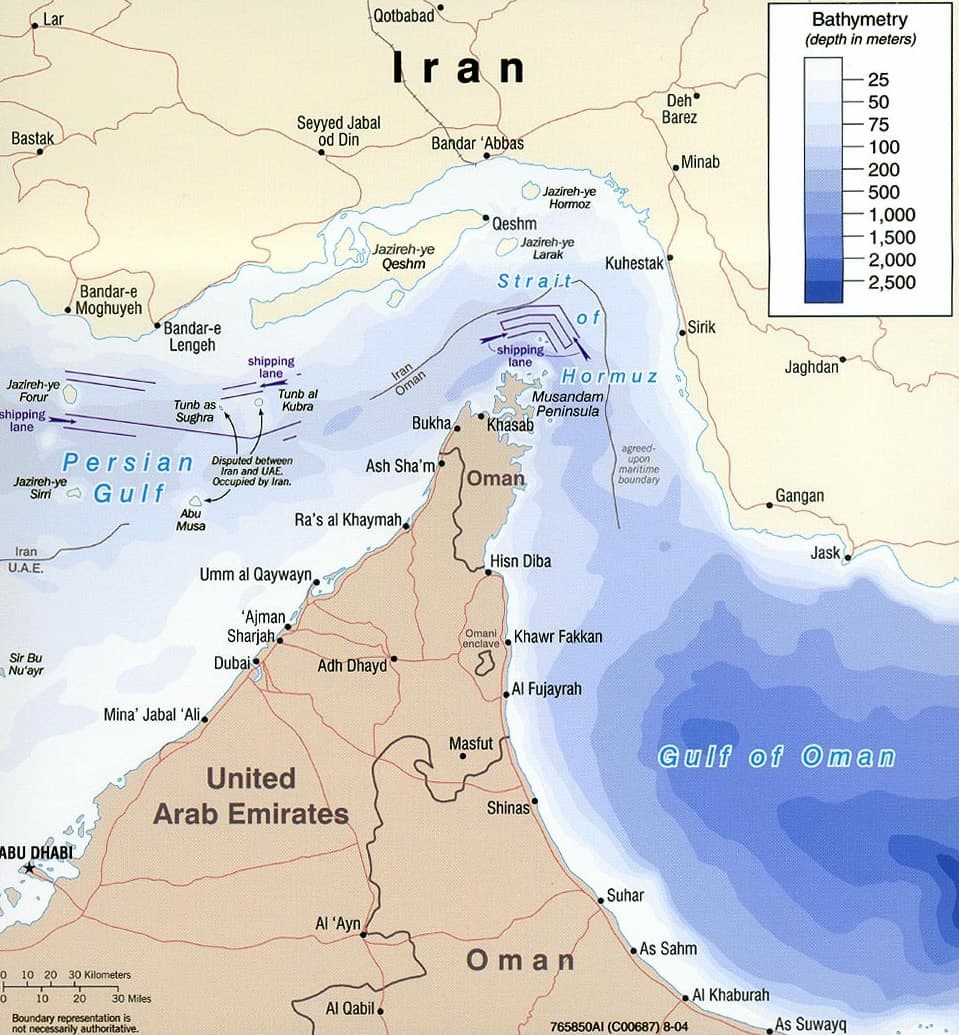
There were already signs that Tehran was trying to turn pressure into a system. On March 26, 2026, CNBC reported that Iranian lawmakers were drafting legislation to create a toll structure under which ships would pay for safe passage, with Fars News Agency saying a draft bill was expected the following week. AP later reported that ships had been told to divert around Larak Island and submit detailed crew and cargo information to intermediaries linked to the Islamic Revolutionary Guard Corps, with at least two vessels reportedly paying the equivalent of $2 million in Chinese yuan.
The risk is not only the toll itself but the precedent. The Atlantic Council noted that Iran used the Strait of Hormuz as leverage during the tanker war from 1984 to 1988 and said Tehran has about 5,000 to 6,000 naval mines, along with submarines and anti-ship missiles that could threaten traffic again. That combination of legal uncertainty, market fear and military capacity is what makes a toll threat more than a headline. It is a pressure point that can ripple through shipping costs, inflation expectations and the price of oil long before any ship is actually stopped.
This article was produced by Prism’s automated news system from verified source data, official records, and press releases, then run through automated quality and moderation checks before publishing. The system is built and supervised by the people who set the standards it runs under. Read our full AI policy.
Did this article answer your question?


