New Zealand Warns Against Swimming With Orcas as Norway Tourism Grows
New Zealand is drawing a hard line as orca tourism turns viral. Norway’s looser rules have made close encounters a market, but scientists warn the animals pay the cost.
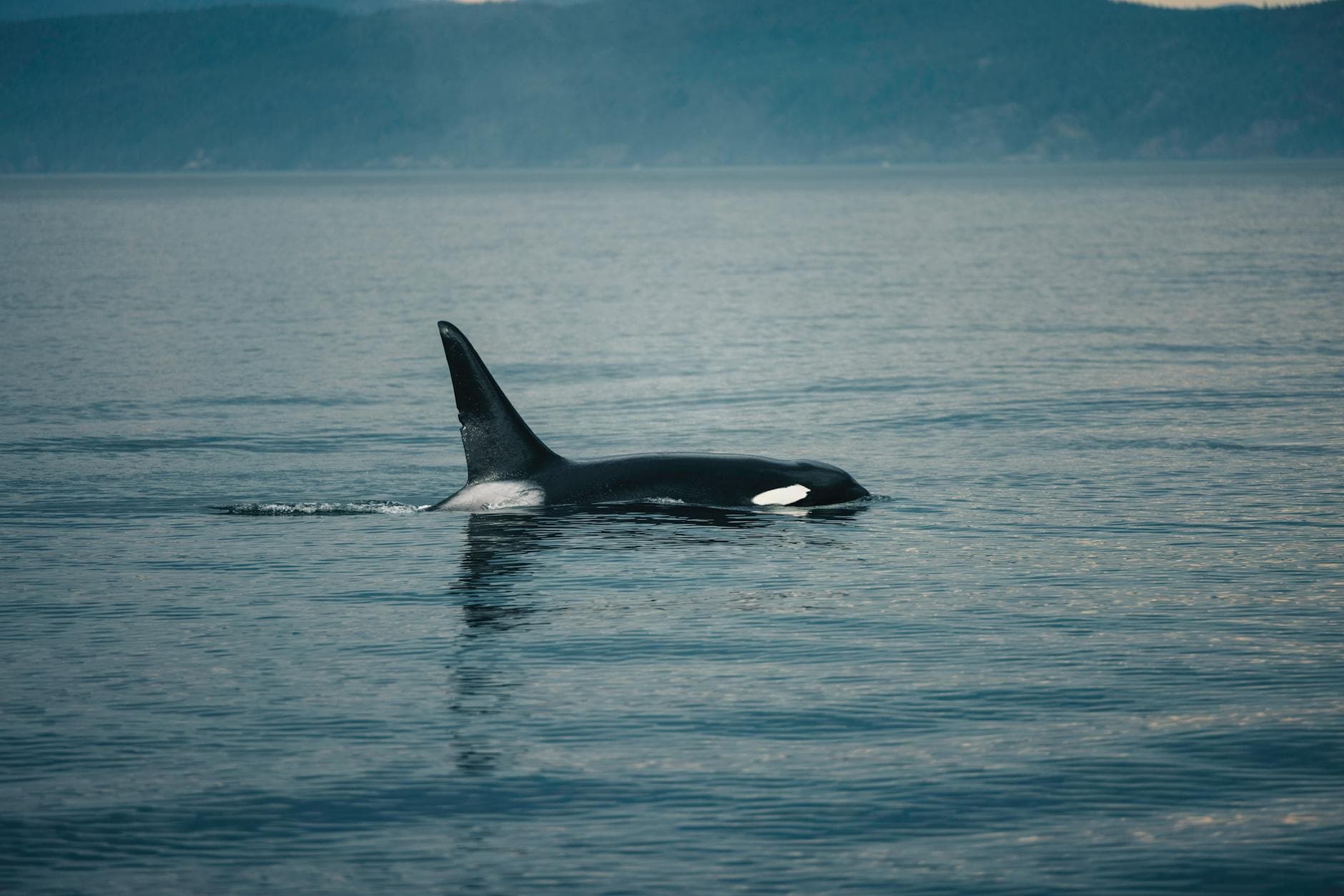
New Zealand’s hard line on orca encounters
The clash is no longer about whether swimming with orcas is thrilling. It is about whether a tourism market should be allowed to place people inside the path of a wild 6-ton predator, then call that access an experience.
New Zealand draws one of the clearest boundaries in the world. Under the Marine Mammals Protection Regulations 1992, it is an offence to swim within 100 m of any whale, including killer whales and orcas. The Department of Conservation also says commercial operators need permits to interact with marine mammals, and the Marine Mammals Protection Act 1978 protects seals, sea lions, dolphins, and whales across the country.
That framework reflects a simple principle: wildlife is not a playground. It is a living system with feeding, resting, and social behavior that can be altered by human intrusion, especially when boats and swimmers crowd animals that are already moving through busy coastal waters.
Why the warnings sharpened in 2025 and 2026
The latest warnings were not abstract. On January 29, 2025, DOC issued a reminder after a family pod of five orca was reported in Raglan and Kawhia harbours. Officials said people had gotten too close and were putting themselves and the animals at risk. By March 2026, the concern had escalated again, this time in Raglan Harbour, where several recreational boats allegedly approached feeding orca, prompting a public appeal for witnesses.
Those incidents matter because they show how quickly a wildlife encounter can tip into harassment. Feeding animals do not need extra pressure from engines, wakes, swimmers, or people trying to stage a close-up moment. In orca country, a lapse in distance is not a minor etiquette issue; it can become a conservation and safety breach in a matter of seconds.
DOC’s message has been consistent: reckless viewing can change behavior, interrupt feeding and resting, and increase stress and boat-strike risk. The agency says numerous studies have documented those effects, which means the problem is not a matter of opinion or aesthetics. It is a documented pattern.
What the science says about disruption
Marine mammal scientists and conservation officials increasingly treat close approaches as a behavioral disturbance, not a harmless thrill. National Geographic has reported that reckless whale watching can force cetaceans to abandon feeding grounds, separate mothers and calves, and experience stress. That is the heart of the ethical argument against in-water encounters: even when no one intends harm, proximity can still degrade the conditions wild animals need to survive.
Orcas are highly social, intelligent, and persistent hunters, which makes the effects of disturbance especially important. If people repeatedly interrupt feeding or resting, the costs are not limited to one afternoon. They can ripple through calf survival, group cohesion, and the energy budgets that sustain animals through long migrations and cold-water hunting.
That is why scientists and guides who oppose reckless viewing often focus less on spectacle and more on cumulative pressure. One boat may seem insignificant. A cluster of boats, swimmers, and cameras around a feeding pod can become a moving barrier, one that changes where the animals go and how they use the water.
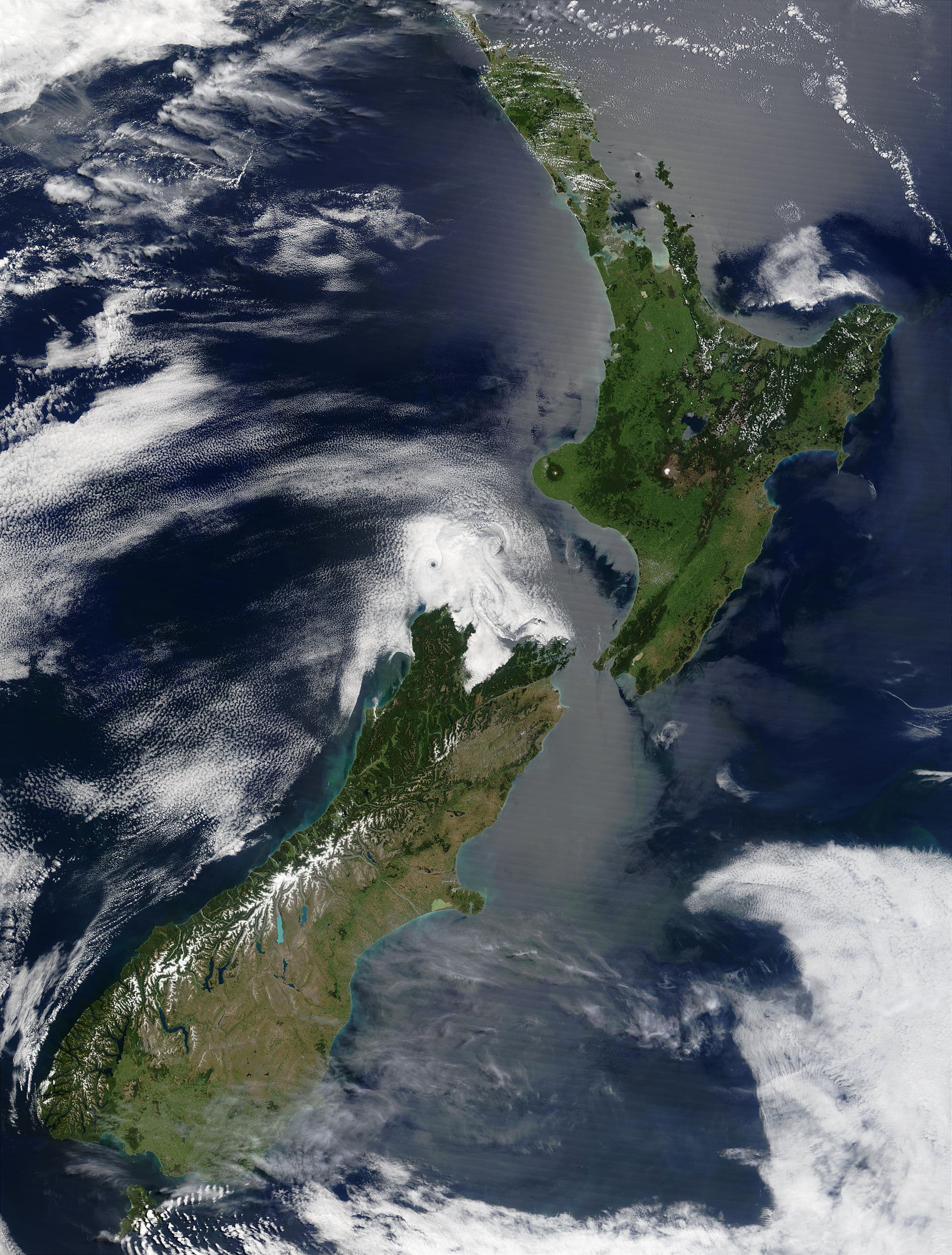
Why Norway has become the other magnet
Norway sits at the opposite end of the regulatory spectrum. There is no law prohibiting swimming with dolphins and whales there, which has helped turn the country into a major destination for in-water orca encounters. Seasonal killer whale activity in Arctic waters and fjords has created a market for winter tourism, and operators now advertise snorkeling and swimming trips around those gatherings.
That tourism model has obvious appeal. It is built on proximity, on the promise of entering a wild scene rather than observing it from a boat deck. But the same closeness that sells the trip also raises the same questions about feeding disruption, calf separation, and stress. Conservation-minded travel sources and wildlife experts have warned that close approaches can disturb feeding animals and calves, especially when the encounter is marketed as an immersive product.
The contrast with New Zealand is stark. One country treats the distance between swimmer and orca as a legal boundary. The other leaves room for a tourism industry to decide how close is too close, even as the animals remain wild and the risks remain the same.
The market pressure behind the experience
This debate is really about incentives. The modern wildlife economy rewards dramatic footage, rare access, and personal immersion, all of which push visitors closer to animals that should stay at a distance. Tourism marketing thrives on scarcity, and a swim with orcas is as scarce and shareable as it gets.
That is why the regulatory gap matters. When demand rises faster than conservation rules, the market does not slow itself. It looks for a new threshold, a new operator, or a new justification for crossing the line. New Zealand’s permits and 100 m rule are designed to stop that drift before it becomes normal. Norway’s looser framework, by contrast, leaves more room for the pressure to build in open water.
What the current debate ultimately asks
The argument is no longer about whether people can find orcas. It is about what kind of encounter a society chooses to permit. Supporters describe a rare, transformative meeting with a wild animal. Critics say the moral test is simpler: the welfare of the animal should come first, and people should not be entering the water with a creature built to dominate it.
That is the collision at the center of this story. Viral tourism wants closeness. Conservation rules exist to prevent closeness from becoming harm. As more people chase the image of a swimmer beside an orca, the pressure on regulators will only intensify, and the strongest answer may remain the oldest one: keep your distance.
This article was produced by Prism’s automated news system from verified source data, official records, and press releases, then run through automated quality and moderation checks before publishing. The system is built and supervised by the people who set the standards it runs under. Read our full AI policy.
Did this article answer your question?


