Broadview residents push back on massive proposed AI data center campus
Broadview residents packed a senior center to challenge a 5,000-acre AI campus they say could strain water, power and rural life. The fight has become a test of who pays.

Kassi Solberg is fighting a proposed AI data center campus the size of roughly 3,800 football fields, a project that would stretch across 5,000 acres about three miles south of Broadview in Yellowstone County and place one of Montana’s most consequential land-use fights at her doorstep.
The development, called the Big Sky Campus, is being advanced by Quantica Infrastructure near a NorthWestern Energy substation and a rail line. Backers say the site could tap Broadview’s existing infrastructure and energy potential, while company leaders have suggested the project could draw major technology firms such as Google, Meta and Apple.
Resistance has been building in public. About 130 people filled the Broadview Senior Center for a Jan. 26 meeting on the proposal, and more than 100 had shown up at an earlier meeting at Rocky Mountain College in Billings. Environmental and community groups organized the Broadview gathering, where panelists warned that Montana should not accept data centers if they raise electricity bills, threaten water resources or contaminate water supplies.
The concerns in the room were practical as much as political. Nancy Buroff and organizer Cari Olson said they worried about a population influx, damage to pristine land and whether the promised jobs would ever arrive. Clint McCulloch of the Southeast Montana Building Trades Council pushed back, saying local workers could benefit from the construction phase even if the long-term staffing needs were unclear.
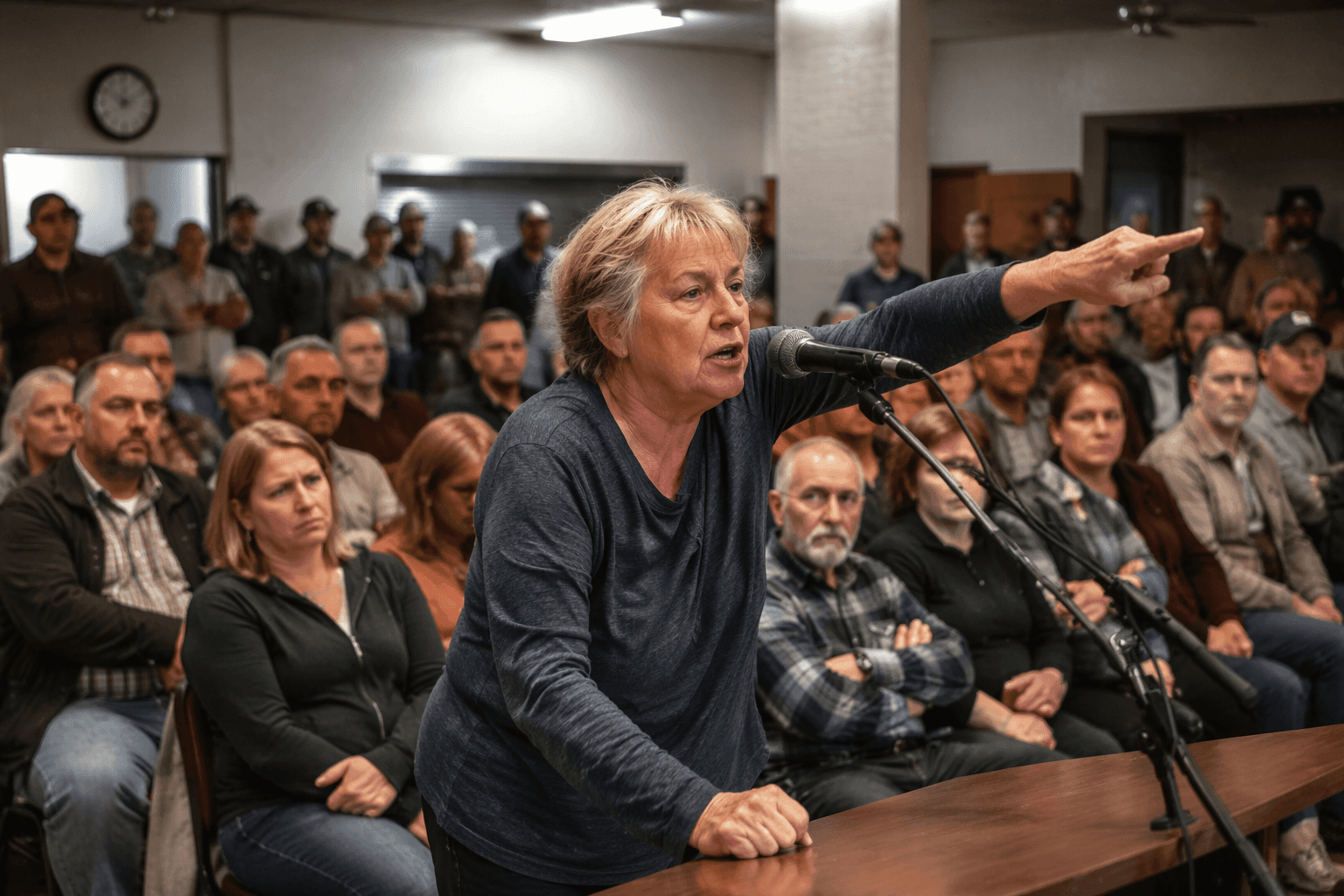
Quantica officials have said they want to keep talking with residents, while also arguing that the meeting format did not allow direct answers to every question and that many project details are still being developed. Chief administrative officer Charlie Baker said five of the six project leaders are Montanans. The company has also said modern data centers increasingly rely on closed-loop cooling systems and disputed claims that the campus would consume 10 million gallons of water a day.
The biggest unanswered question may be power. Public reporting has linked the project to possible natural-gas plants north of Billings that could generate 1,785 megawatts, more than the statewide capacity of every gas plant now operating combined. Other reporting has said the campus itself could require up to 1,000 megawatts of electricity. That has drawn Montana regulators and utility-ratepayer advocates deeper into the fight, as groups petition the state utility board to tighten oversight of NorthWestern Energy so existing customers are not left covering data-center-related costs.
For Broadview, a small agricultural community, the argument is no longer abstract. It is about whether a rural place built around land, water and open space can absorb the demands of the AI buildout without losing control of its own future.
This article was produced by Prism’s automated news system from verified source data, official records, and press releases, then run through automated quality and moderation checks before publishing. The system is built and supervised by the people who set the standards it runs under. Read our full AI policy.
Know something we missed? Have a correction or additional information?
Submit a Tip