Broadway Across America Avoids Prosecution After Admitting to Noncompete Agreement
Broadway Across America admitted to signing a noncompete with a rival presenter but escaped prosecution, signaling the DOJ's preference for deterrence over criminal charges in touring theater.
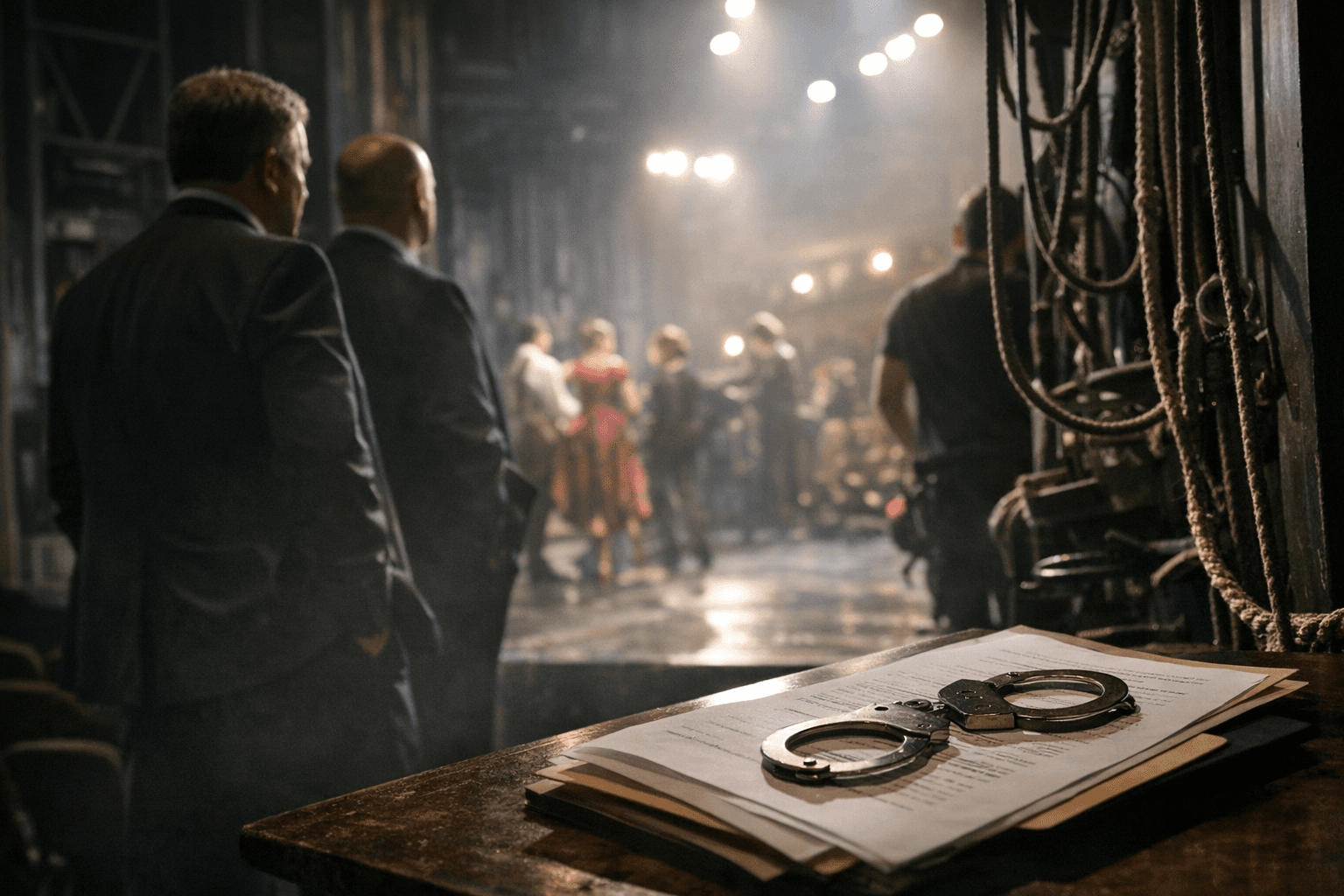
Broadway Across America, the dominant touring Broadway presenter operating in 44 regional markets across North America, will not face federal prosecution after acknowledging it entered into a noncompete agreement with a competing presenter, the Department of Justice said.
The resolution marks a significant moment in the DOJ Antitrust Division's escalating scrutiny of the live entertainment industry. Rather than pursue criminal charges, the agency opted for a declination, a posture that reflects both the novelty of applying antitrust law to presenter-to-presenter noncompetes and the government's broader strategy of using disclosed resolutions to deter similar conduct across the sector.
Noncompete agreements between rival presenters are distinct from the employment-style noncompetes that have drawn regulatory fire in recent years. When two competing businesses agree to stay out of each other's markets or not bid against each other for venues and touring productions, antitrust enforcers treat that as a horizontal restraint on competition, the kind of arrangement that can suppress ticket options, limit venue choices, and reduce the competitive pressure that keeps fees for touring crews and local production staff in check.
Broadway Across America, part of the John Gore Organization, holds local marketing rights in its regional markets, books performance venues, manages event production, and sells tickets through subscriptions, group sales, and single-ticket channels. With more than 400,000 subscribers and a ticket-buyer database exceeding four million names across the United States and Canada, the company's footprint is large enough that any agreement limiting rival presenters from competing in those markets would carry measurable consequences for ticket buyers and venue operators alike.
The DOJ's decision not to prosecute does not mean the conduct was deemed acceptable. Declinations in antitrust matters involving novel legal theories often come paired with an implicit message: the government has put the industry on notice. A March 2025 executive order had already directed the Justice Department to ensure competition laws were "appropriately enforced in the concert and entertainment industry, including where venues, ticketing agents, or combinations thereof operate to the detriment of artists and fans."
For other touring Broadway presenters and regional venue operators, the practical takeaway from this case is immediate. Agreements that restrict where a competing presenter can operate, which productions it can acquire, or under what terms it can approach shared venues now carry clear antitrust exposure. Contracts that contain such provisions should be reviewed and renegotiated. The DOJ has demonstrated it is actively investigating these arrangements, and the next company to surface one may not receive the same resolution Broadway Across America did.
This article was produced by Prism’s automated news system from verified source data, official records, and press releases, then run through automated quality and moderation checks before publishing. The system is built and supervised by the people who set the standards it runs under. Read our full AI policy.
Did this article answer your question?

