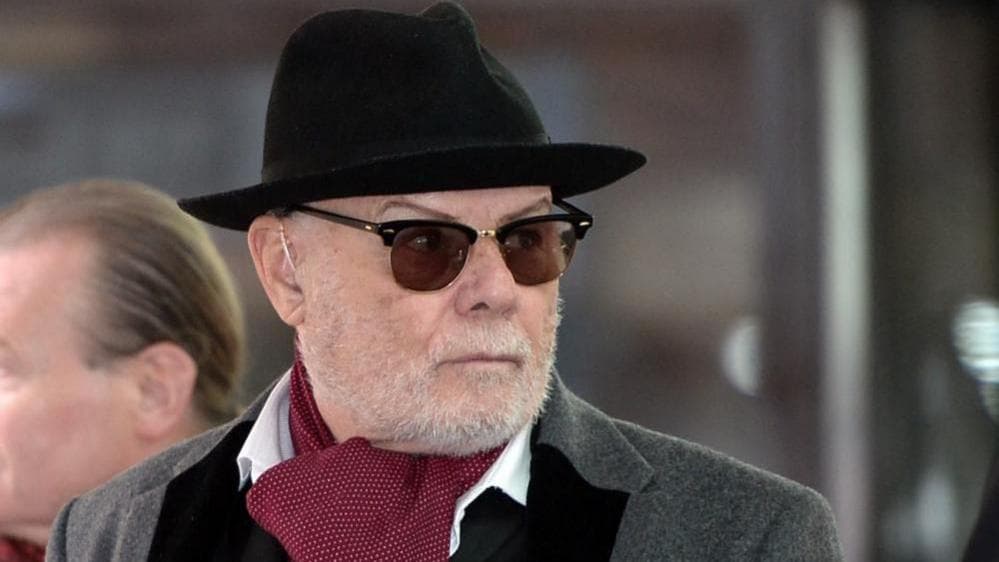
Broadway’s Giant revisits Roald Dahl’s antisemitic scandal and legacy
John Lithgow’s Broadway turn as Roald Dahl turns a 1983 antisemitic scandal into a drama about how culture keeps rejudging beloved creators.

Roald Dahl’s name still draws crowds, but Giant asks audiences to look directly at the damage beneath the fame. The Broadway play, now at the Music Box Theatre in New York City, centers on an explosive afternoon in the summer of 1983, when the children’s author was confronted over antisemitic remarks tied to his review of God Cried, a book about the 1982 Lebanon War and the siege of West Beirut.
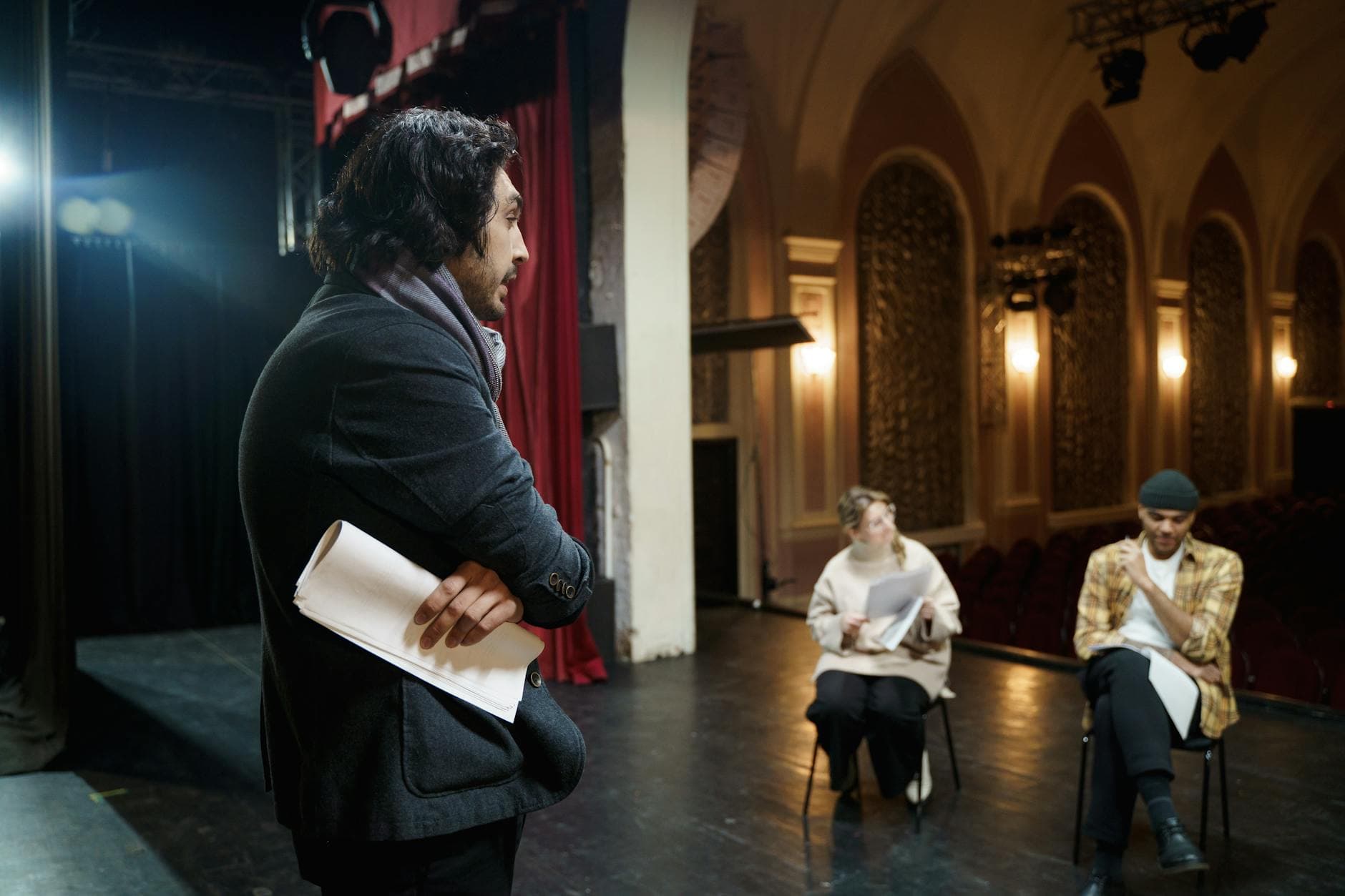
Mark Rosenblatt’s drama first premiered at the Royal Court Theatre in London on September 20, 2024, then moved to the West End before opening on Broadway on March 23, 2026. In New York, John Lithgow plays Roald Dahl, with Aya Cash as Jessie Stone, in a production that has drawn strong reviews and renewed scrutiny of how popular culture handles artists whose work endures long after their public prejudices surface.
The controversy at the center of Giant was not hidden for long. Dahl’s remarks were first exposed publicly in 1983 by journalist Michael Coren, and they became one of the defining stains on his posthumous reputation. The play revisits that moment with unusual force, placing Dahl in a domestic setting where publishers and personal defenses collide with the blunt reality of antisemitism.
That history has been re-litigated before. In 2023, Dahl’s legacy came under fresh fire after revised editions of his books sparked backlash, with Puffin Books facing criticism over changes related to race, gender, weight and mental health. The Dahl family and the Roald Dahl Story Company later issued a public apology for his antisemitic statements, underscoring how the author’s work remains entangled with the question of whether beloved stories can be separated from the beliefs of the person who wrote them.
Giant has landed because it does more than stage a scandal. It captures a larger cultural argument that now follows many cherished figures: whether art can be preserved intact when the artist’s record is morally corrosive, or whether the work must be read through the harm. Dahl’s books still occupy a central place in children’s publishing, but Giant makes clear that the appetite for his stories has not erased the obligation to confront what he said.
This article was produced by Prism’s automated news system from verified source data, official records, and press releases, then run through automated quality and moderation checks before publishing. The system is built and supervised by the people who set the standards it runs under. Read our full AI policy.
Did this article answer your question?