Brooklyn prosecutors charge men in first deepfake porn case under new law
Brooklyn prosecutors unsealed one of the first criminal deepfake porn cases under the Take It Down Act, accusing two men of flooding the internet with AI sexual fakes.

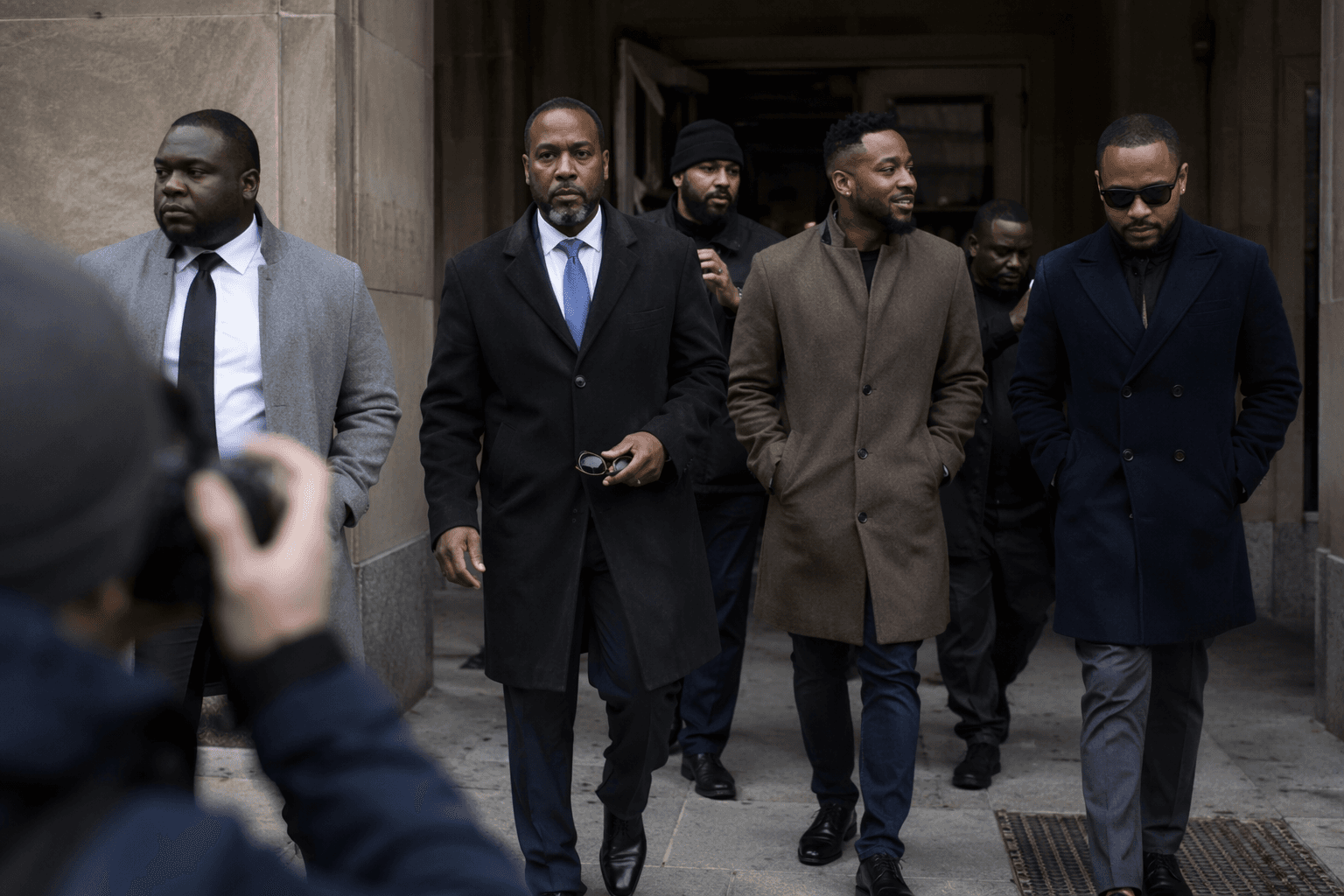
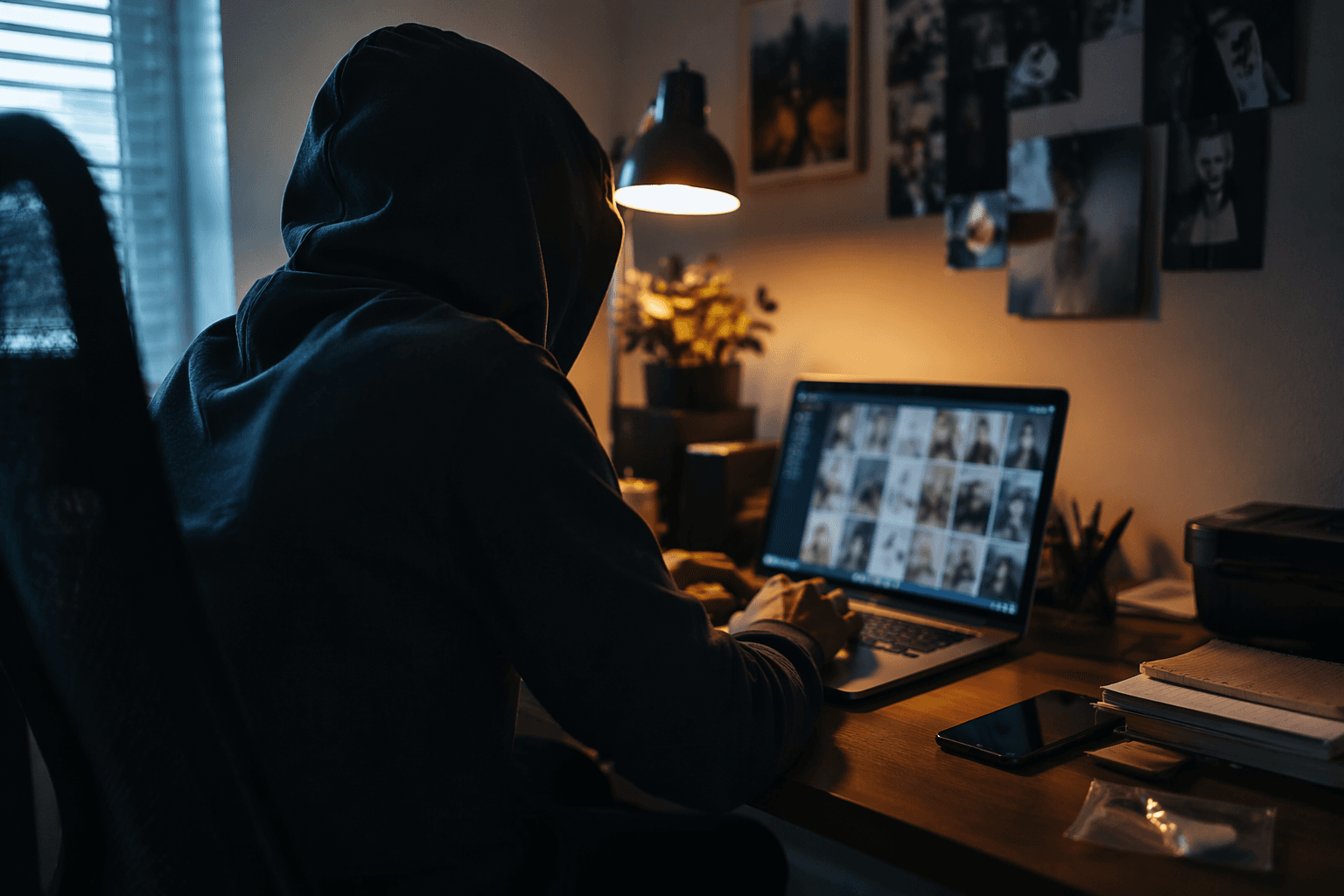
Federal prosecutors in Brooklyn unsealed criminal complaints against Cornelius Shannon, 51, of New Jersey, and Arturo Hernandez, 20, of Texas, in one of the first tests of the new federal law aimed at deepfake pornography. The Eastern District of New York said the pair used artificial intelligence to generate nude images and videos of female celebrities, elected officials, acquaintances and, in Hernandez’s case, private women including recent high school graduates.
The complaints said the material spread widely online, drawing millions of views, and that Shannon allegedly published at least 240 albums of AI-generated pornography. Prosecutors said Shannon was arrested in New Jersey and Hernandez in Bedias, Texas. If convicted under the Take It Down Act, both men face up to two years in prison.
The case shows how federal authorities are beginning to use a statute written to fill a gap in existing law. Congress had already created a civil path in 2022 for victims of nonconsensual pornography under the Violence Against Women Act, but federal law had not clearly addressed digitally modified intimate images. The new law, signed on May 19, 2025, by President Donald Trump and backed publicly by First Lady Melania Trump through her BE BEST initiative, added tougher criminal penalties for publishing AI-created deepfakes and revenge porn.
U.S. Attorney Joseph Nocella said the defendants used “cutting-edge digital technology” to create images that degraded and violated dozens of women, and warned that posting deepfake pornography is “not a victimless crime.” The complaints describe conduct that prosecutors will have to prove under the new statute: who created the material, who published it, whether the images were synthetic, and whether the content involved nonconsensual intimate depictions covered by the law.
The Brooklyn charges land as federal enforcement starts to harden around the law. The Take It Down Act’s platform-removal rules took effect on May 19, 2026, requiring covered online services to remove reported nonconsensual intimate images within 48 hours of notice. The Federal Trade Commission said that same day it began enforcing the statute and launched a complaint portal for victims.
The Brooklyn case also follows the first reported conviction under the law, after James Strahler II of Columbus, Ohio, pleaded guilty in a separate federal case involving AI-generated child sexual abuse material. Together, the prosecutions suggest the statute is already being used beyond celebrity humiliation cases, reaching coercive harassment, child exploitation and the ordinary people whose lives can be upended when synthetic sexual images move faster than the legal system can respond.
Know something we missed? Have a correction or additional information?
Submit a Tip