Red fox stowaway from England quarantined at Bronx Zoo
A 2-year-old red fox rode a cargo ship from Southampton to New York and ended up under quarantine care at the Bronx Zoo. Officials later named him Basil.
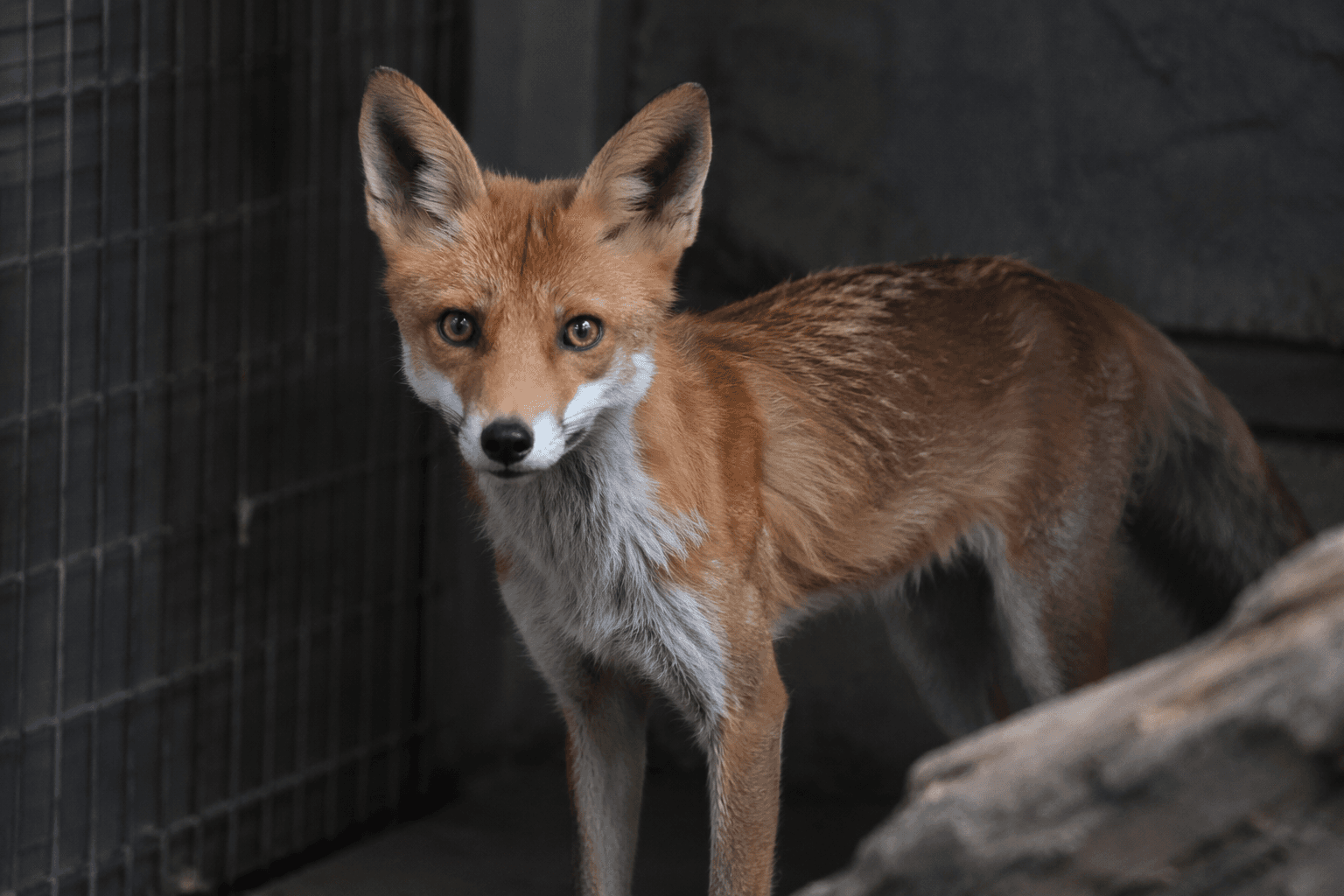
A 2-year-old male red fox weighing about 11 pounds crossed the Atlantic hidden among cargo from Southampton, England, and landed in the hands of U.S. Customs and Border Protection before he reached the Bronx Zoo’s Animal Health Center on February 19, 2026. The fox’s arrival turned an unusual shipping discovery into a test of the layered response that follows an illegal animal entry: border agents secured the animal, wildlife officials coordinated the transfer, and veterinarians took over his care in New York.
Initial examinations showed the fox appeared to be in good condition, but zoo staff held him for additional routine screening before deciding where he would eventually live. Keith Lovett, the Bronx Zoo vice president and director of animal programs, said the fox was “settling in well,” that he had “gone through a lot,” and that the team’s first priority was “the animal’s health.” The fox later received a name, Basil, after his condition improved and he was cleared to keep moving toward a permanent placement.
The case also underscored how trade routes can become wildlife routes. The Bronx Zoo said stowaway rescues are rare, even though its staff regularly helps officials handle wildlife trafficking cases tied to nearby ports and airports. U.S. Customs and Border Protection, which works with agencies including the U.S. Fish and Wildlife Service, the U.S. Department of Agriculture and the Centers for Disease Control and Prevention, has broad responsibility for intercepting threats that move through the country’s transportation network, including live animals.
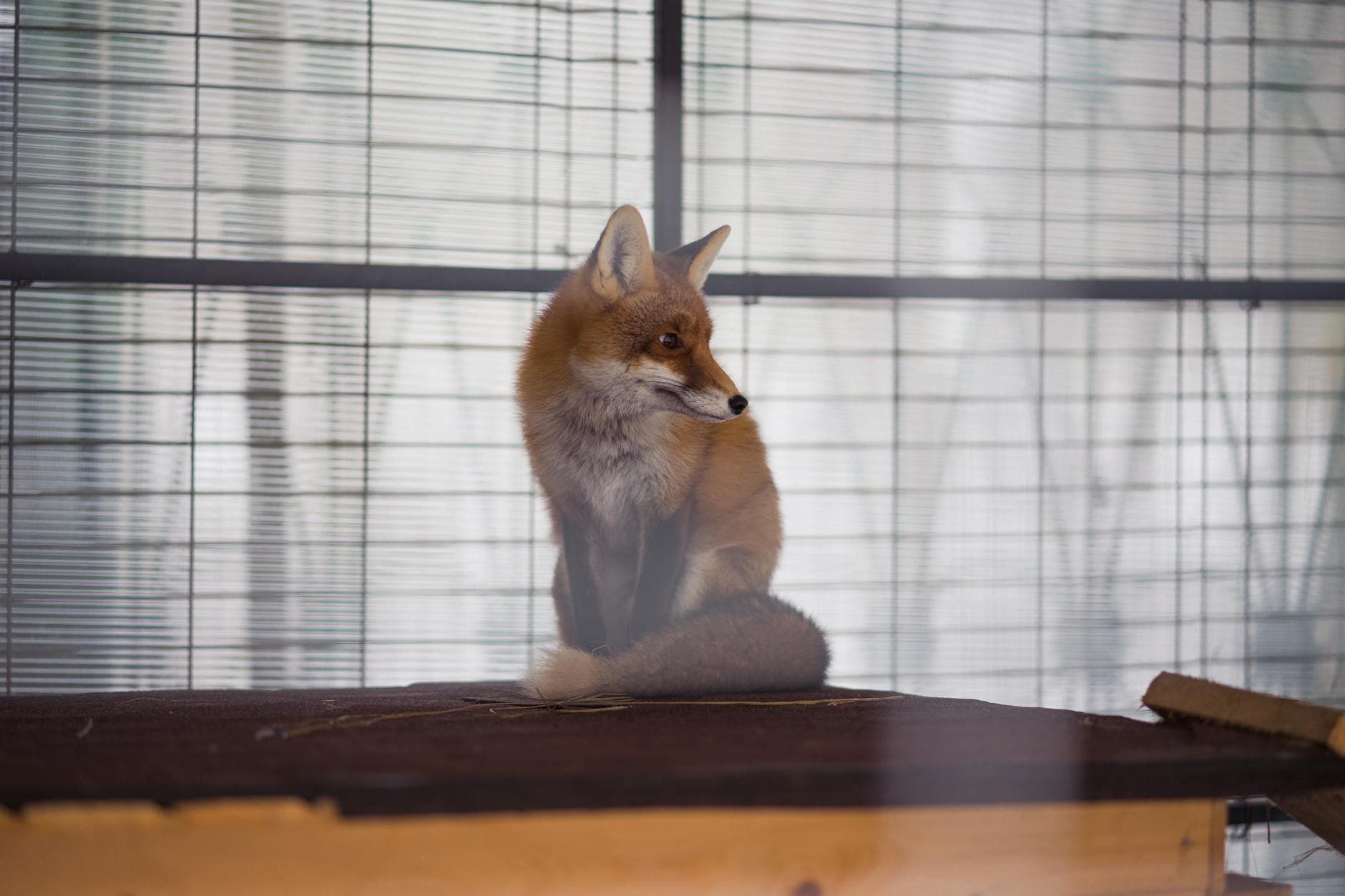
Red foxes are a highly adaptable species found across Europe, Asia, North America and parts of Africa, which helps explain how one could survive a voyage and still arrive in decent condition. The Bronx Zoo, which opened on November 8, 1899, is the flagship park of the Wildlife Conservation Society, an organization that says it manages five New York City parks and has educated more than 400 million visitors since its founding. It has handled dramatic arrivals before, including a venomous Indian cobra that came in on a cargo ship in 2015 and was quarantined there. Basil’s case fit that long pattern: a wildlife mystery at the port, a controlled quarantine in the city, and a careful handoff to specialists who decide what comes next.
Know something we missed? Have a correction or additional information?
Submit a Tip