Brown Out WOD: Two Rounds of Heavy Devil Presses and Muscle-Ups
Brown Out pushed athletes through two heavy rounds of devil presses and muscle-ups, testing strength, skill, and pacing in a short-rest format.
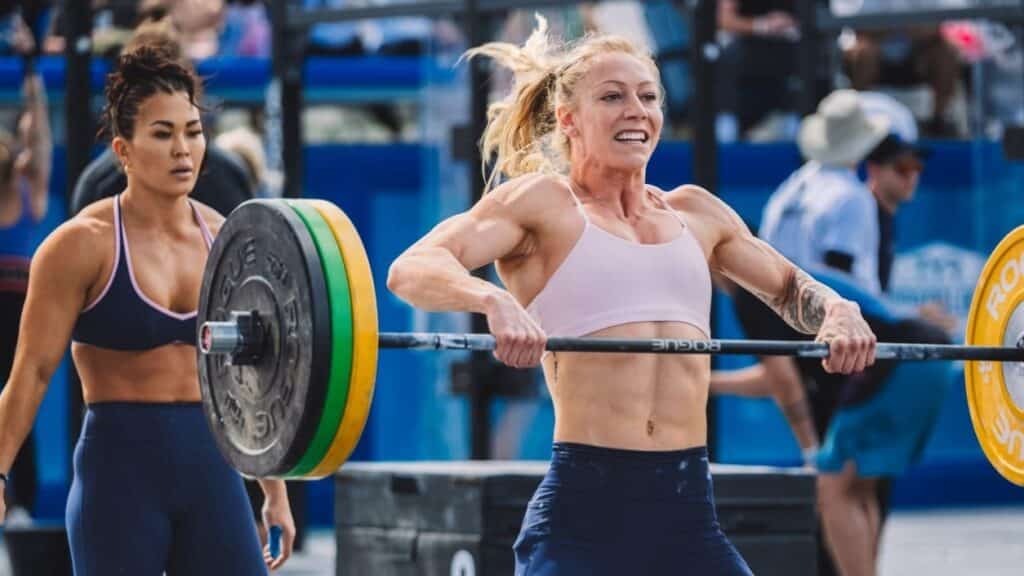
Two rounds for time, 90 seconds rest between efforts, forced members to balance heavy pulling and high-skill gymnastic work in an in-gym WOD titled Brown Out. The format paired a barbell-heavy opening with a muscle-up-heavy return, putting a premium on deadlift strength, pressing endurance, and efficient transitions.
Round 1 began with 25 deadlifts at 275/185 lbs, followed by eight legless rope climbs and eight devil's presses at 100/70 lbs. After a mandated 90-second rest, Round 2 called for 25 dumbbell push presses at 100/70 lbs, eight strict ring muscle-ups, and another set of eight devil's presses. Coaches used a full members' results board to capture times, loads, and scaling choices for in-house leaderboards and targeted feedback.
Selected results illustrated how athletes approached the test. Al C. finished Rx in 19:40. Alex B. posted an 18:13 while scaling. Emily M. logged 13:20 with noted loads of 185 and 60, and a scaled approach. Matt R. recorded 14:21 with a 275 mark and 80 noted as scaled. Those entries give clear benchmarks for members tracking progress across strength and skill domains.
Practical value for athletes is immediate. If deadlift numbers are below the 275/185 target, break the 25 reps into manageable sets early to avoid systemic failure later. Treat the 90-second break as an active recovery window: walk, deep breathe, and run through movement cues for the strict ring muscle-ups rather than trying to re-set maximal strength. For devil's presses, establish a rhythm with partial rep sets or lower-weight substitutions on days when strict muscle-ups are the limiting factor.

Community relevance extends beyond individual times. The leaderboard format turned raw results into coaching tools: load choices and scaling notes help coaches prescribe accessory work, and times allow members to compare pacing strategies. Seeing Emily M.'s 13:20 with scaled loads and Matt R.'s 14:21 with heavier deadlifts gives other athletes context for setting realistic targets and planning follow-up sessions.
For gyms programming similar tests, consider staging lead-up work: ramp deadlifts to the working set, include high-intensity interval pieces simulating the 90-second window, and isolate ring muscle-up strength in the week prior. Members should log exact loads and transition times on the board so coaches can turn leaderboard data into specific recommendations.
Brown Out clarified who needs more pull strength, who needs pressing endurance, and who benefits most from technical muscle-up work. Expect coaches to use these results to tailor upcoming cycles and for athletes to chase improved splits the next time this format hits the floor.
Know something we missed? Have a correction or additional information?
Submit a Tip