Budget fast fashion upends retail in small-town India, squeezing bazaars
Shoppers in tier-two and tier-three towns are shifting from unlabelled bazaar buys to budget brands like Zudio and Reliance Trends, pressuring mom-and-pop stores.
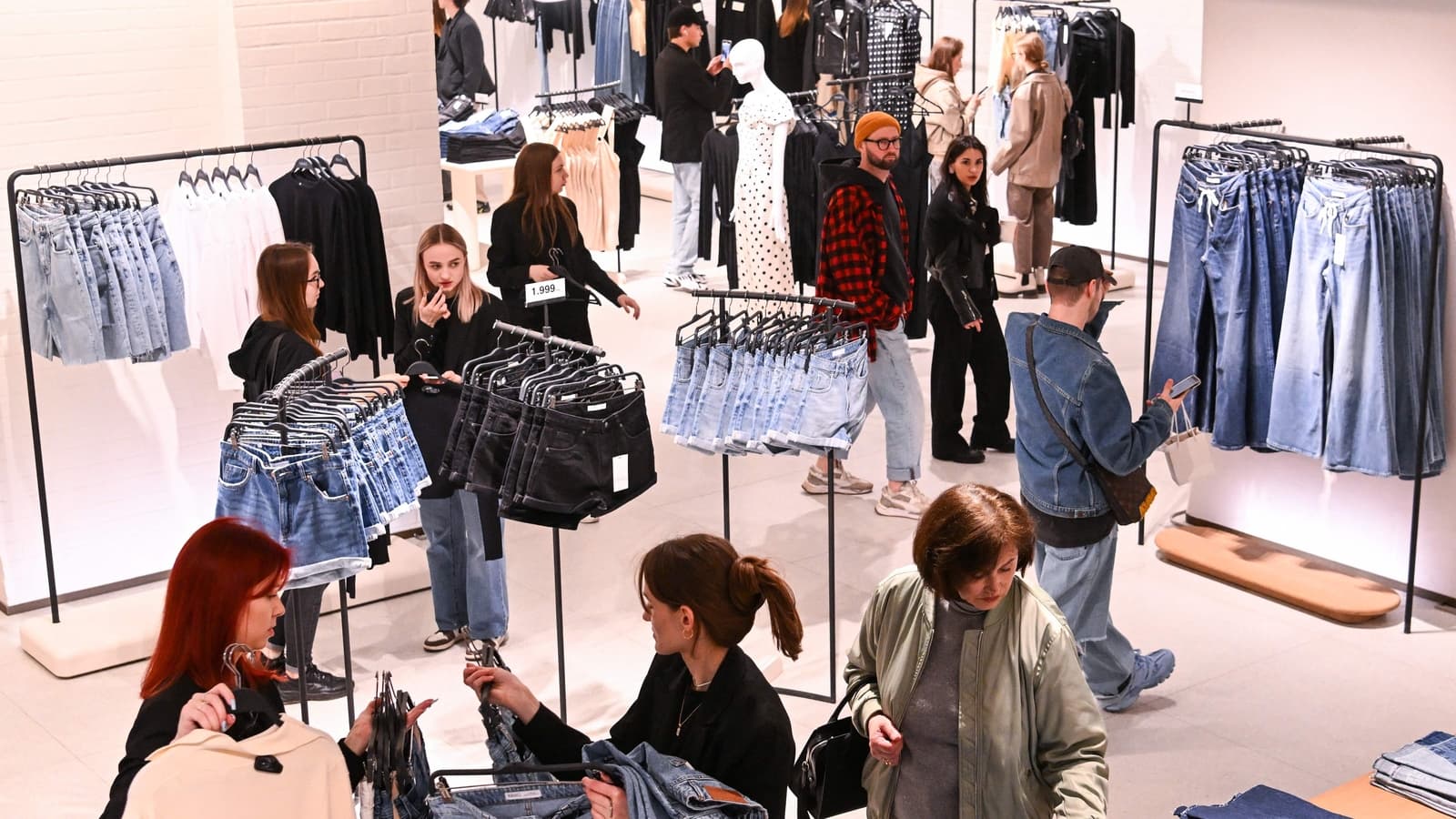
It’s very clearly a wallet-shift," says Kushal Bhatnagar of Redseer Strategy Consultants, capturing a rapid retail change rippling through smaller Indian towns. The shift is visible in footfall at multi-storey Reliance Trends showrooms, neon-lit outlets and newly opened Zudio and Max stores, and in price tags that sit between $4 and $15 for most merchandise.
The effect is practical and immediate: neighbourhood cloth shops that once supplied unlabelled kurta sets and sari blouses are losing customers to organised, budget-focused chains that combine bazaar pricing with a branded shopping experience. Alka, a geriatric care worker in her late 50s shopping at a three-storey Reliance Trends outlet in Sangli, picked a baby-pink kurta she had seen at work and said she wanted to buy one for her daughter. That kind of aspirational purchase, across age groups, helps explain the surge.
Analysts point to four linked drivers. Brands have aggressively penetrated zip-codes and opened deep into smaller towns, they have "trendified" low-cost styles by trawling design fads from Paris and Milan, they price goods at parity with bazaars, and they operate much faster inventory cycles. "Consumers are not buying much more than they were; but they've shifted their purchases from mom-and-pop stores to branded outlets," Bhatnagar adds.
Zudio provides a striking case study. In 2018 it had seven stores and roughly $12 million in revenue. By applying a Zara-style playbook via an early partnership between Trent and Zara, Zudio shortened design-to-shelf cycles dramatically. Its inventory turnaround is now about 15 days, compared with the 45 to 60 days typical of many rivals. "In the world of fashion, the speed of inventory is everything," Pankaj Kumar of Kotak Securities says. "The quicker new styles hit the shelves, the more frequent are the store visits." He also notes, "Plus, the designs are contemporary and there's a growing desire among people to wear branded clothes."
The organised players named most often are Zudio, Max, Reliance Trends and Vishaal Mega Mart. Reliance Trends is frequently identified with Isha Ambani, a leading figure in Reliance Industries' retail strategy, though quarterly numbers for Trends are not publicly available. Tata-owned Trent remains central to Zudio’s expansion and strategy.

E-commerce is amplifying the pressure. Aggregator platforms that ship low-cost goods across India are scaling fast; one such platform, Meesho, has been growing its bottom line at 35 to 40 percent year-on-year, helping push the same cheap, trend-aware goods into remote markets without a physical store.
The immediate consequences cut across livelihoods and local economies. High-street retailers report shrinking foot traffic and tighter margins as customers favour branded stores for perceived quality, variety and aspiration at near-bazaar prices. For investors and national retail markets the trend signals strong organised-sector growth in value fashion; for municipal high streets it raises questions about business closures and job losses among small independent merchants.
The broader uncertainty is what comes next. Organised fast fashion has made buying branded garments a normal Saturday activity in towns that once relied on weekly markets. Whether that reshapes employment in local tailoring, supply-chain practices inland, or the social fabric of small-town commerce will depend on how quickly traditional retailers adapt and how transparently the big chains disclose their growth and sourcing practices.
This article was produced by Prism’s automated news system from verified source data, official records, and press releases, then run through automated quality and moderation checks before publishing. The system is built and supervised by the people who set the standards it runs under. Read our full AI policy.
Did this article answer your question?


