Buena Vista County included in statewide probe of high cancer rates
Buena Vista County is part of a new statewide investigation into Iowa’s unusually high and rising cancer rates, a concern for residents in this farming region.
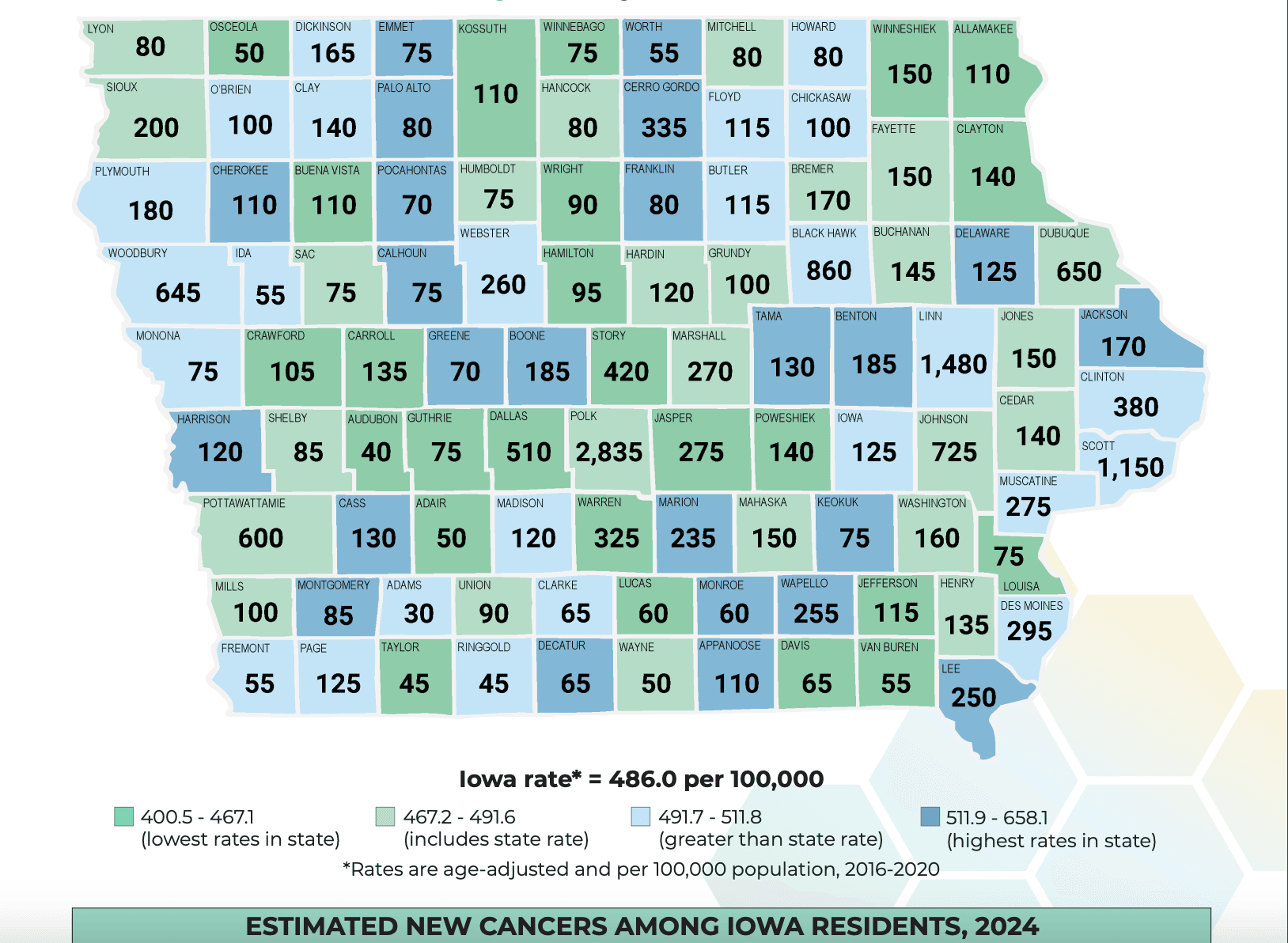
Iowa’s high cancer numbers are no longer just a state statistic — they now include Buena Vista County in a statewide probe that aims to untangle why new cancer cases are climbing even as national rates fall. State-funded researchers from the University of Iowa and the Iowa Cancer Registry say Iowa ranks second in the nation for new cancer incidence and remains one of the few states where incidence is rising fastest.
Local officials were told the scope is broad: Dr. Jacob Oleson, professor of biostatistics at the University of Iowa College of Public Health, reported that “87 of Iowa’s 99 counties are listed as significantly higher than the national trend and this is unadjusted numbers without adjusting for any other factors other than age and sex.” State medical director Dr. Robert Kruse cautioned that “Cancer is complex. Cancer risk and outcomes are influenced by multiple factors, individual behaviors, environmental exposures, genetics, and importantly access to prevention, screening and timely high quality care.”
Investigators point to four cancers that explain much of Iowa’s excess: lung cancer, melanoma, breast cancer, and prostate cancer. The University of Iowa public-health release notes lung cancer is a leading driver of cancer deaths in Iowa and that progress on lung cancer prevention and mortality lags the nation — for example, age-adjusted lung cancer incidence fell only 5 percent in Iowa from 1990 to 2019 versus 23 percent nationwide. State researchers estimate that doctors diagnosed more than 2,500 more people in 2022 with cancer than would have been expected if Iowa matched the overall U.S. rate.
Officials stress behavioral risks as part of the picture. Mary Charlton, director of the Iowa Cancer Registry, noted that “We have over a quarter of Iowans report zero physical activity outside of their job. We also have one of the highest binge drinking rates in the country. We still have almost 15% of our population who smoke cigarettes.” Public-health leaders say those modifiable factors are an important part of prevention strategies even as they acknowledge limits to current knowledge about environmental causes. Charlton added that environmental exposures are “yeah, probably is a very big contributor, [but it’s] very hard to measure,” and that “We need information on specific pesticides or specific exposures to link to specific cancer sites, and it really takes a long time to do that, and it takes a long time of follow up to accrue enough cancer cases so that you actually can make meaningful evaluations.”
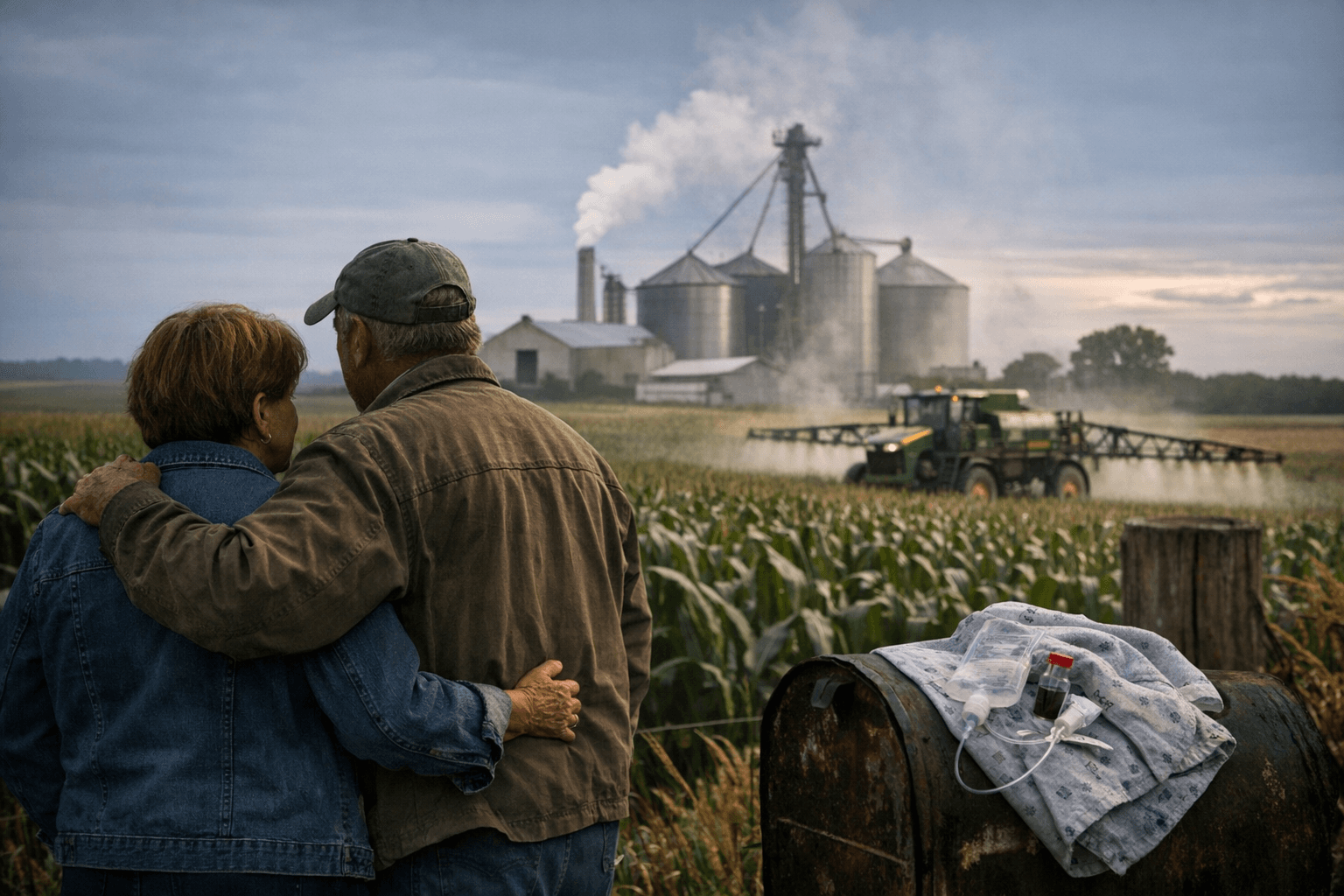
At the same time, editorial and advocacy voices have pushed hard on agricultural sources of contamination. One editorial bluntly argued that “what is urgently needed is the recognition that our water is unsafe to drink and is a risk factor for cancer” and cited farm-related figures — including that Iowa houses roughly 24 million hogs and that factory farms produce massive amounts of animal waste that, the editorial says, have contaminated rivers, streams, lakes, and wetlands.
State leaders have begun to respond with policy proposals and funding pledges. Governor Kim Reynolds said in her Condition of the State address that “Every case of cancer is a tragedy. And I’m concerned by the data showing that these tragedies disproportionately affect Iowans. Our state has ranked second for new cancer cases two years running, and we’re one of just two states with rising rates. That’s the ‘what’ of this problem; the ‘why’ and the ‘how’ are where things get tricky. According to the Iowa Cancer Registry, we’re in the top-five states for binge-drinking.” Officials have announced a proposed bill with taxes on products like hemp and vaping and changes to school-lunch food policies, and the governor has pledged funding for research and expanded rural screening through the Healthy Hometown initiative.
For Buena Vista County residents, the probe means state researchers will include the county in analyses that could point to local risk drivers and prevention opportunities. Rural residents like Morton, who described losing loved ones and neighbors to cancer — “Well, one week we come back, Cheryl had died from it. Two friends, you know, they died a week apart from lymphoma. It just goes on and on and on” — say they want answers now. A full University of Iowa report is expected this summer, and local health providers and advocates say next steps should include better access to screening, targeted public-health outreach, and more rigorous study of local water and environmental exposures so Buena Vista County can move from concern to action.
Sources:
Know something we missed? Have a correction or additional information?
Submit a Tip