Buffett warns of gambling markets as Berkshire enters new era
Buffett told Berkshire holders the market has fallen into a “gambling” mood, even as the company sat on nearly $400 billion in cash.
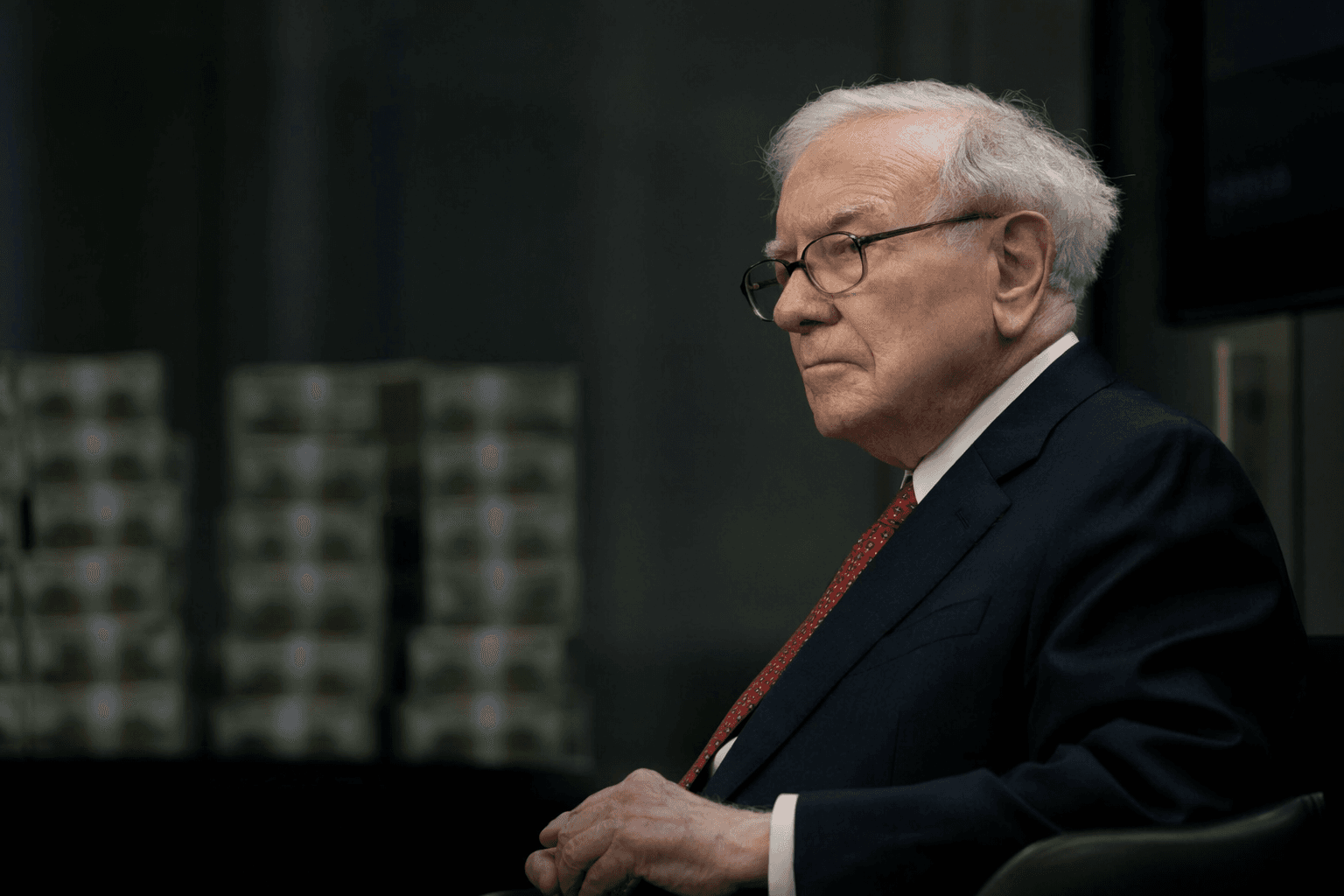
Warren Buffett’s surprise appearance at Berkshire Hathaway’s annual meeting sent the room from anticipation to unease and, finally, to a guarded kind of relief. The message was blunt: the market is being driven less by patient capital than by short-term speculation, and Berkshire is in no rush to join it.
Buffett said the current investing environment is not ideal for deploying Berkshire’s cash and described today’s market as having a stronger “gambling” mood than he has seen before. He added that Berkshire can “pick our spots” and sometimes do nothing while waiting for opportunities inside its circle of competence. For ordinary investors, that was the core signal: cash is not a drag if the alternatives are overpriced, rushed, or built on leverage.
The setting made the message land with unusual force. This was the first Berkshire annual meeting since Greg Abel became chief executive at the start of 2026, and Buffett was watching from the audience rather than dominating the stage for the first time in 60 years. Berkshire’s stock has trailed the S&P 500 by more than 30 percentage points since Buffett said he would step down, so the meeting carried more weight than the usual Omaha spectacle. The crowd’s mood swung with Buffett’s remarks, from excitement at his surprise interview to a more grim recognition of how cautious he remains, then to hope that Berkshire’s discipline could still matter in a market full of noise.
That caution sits beside enormous financial strength. Berkshire’s latest quarterly report showed a cash pile approaching $400 billion, with figures reported in the range of roughly $380 billion to $397 billion at the end of March. The company also reported a rise in first-quarter operating profit, even as economic uncertainty weighed on consumer-facing businesses. The contrast is striking: Berkshire is earning more, but still finding few attractive places to put money to work at scale.
The meeting also tried to show how Berkshire will function without Buffett at the center. Abel said the company would not pursue artificial intelligence “for the sake of AI,” signaling that it will treat new technology as a tool, not a slogan. Ajit Jain, Katie Farmer and Adam Johnson also took part in the post-Buffett format, underscoring that the succession plan is becoming a team structure rather than a single-person handoff. A deepfake version of Buffett was even used during the Q&A to highlight the cybersecurity risks tied to AI, a reminder that Berkshire is now thinking about both speculative excess and synthetic misinformation.
For investors, the deeper lesson was familiar but newly urgent. Buffett was not cheering a market break, and he was not predicting one. He was arguing that when valuations, leverage and trading behavior start to look like a game, the smartest move can still be patience. In a year when Berkshire itself is learning to live beyond Buffett’s shadow, that discipline remains one of the strongest signals on Wall Street.
This article was produced by Prism’s automated news system from verified source data, official records, and press releases, then run through automated quality and moderation checks before publishing. The system is built and supervised by the people who set the standards it runs under. Read our full AI policy.
Know something we missed? Have a correction or additional information?
Submit a Tip