Bulgaria’s president resigns, fueling plans to form new political movement
Rumen Radev announced his resignation and will submit it to the Constitutional Court, a move that clears the way for possible party formation and snap elections.
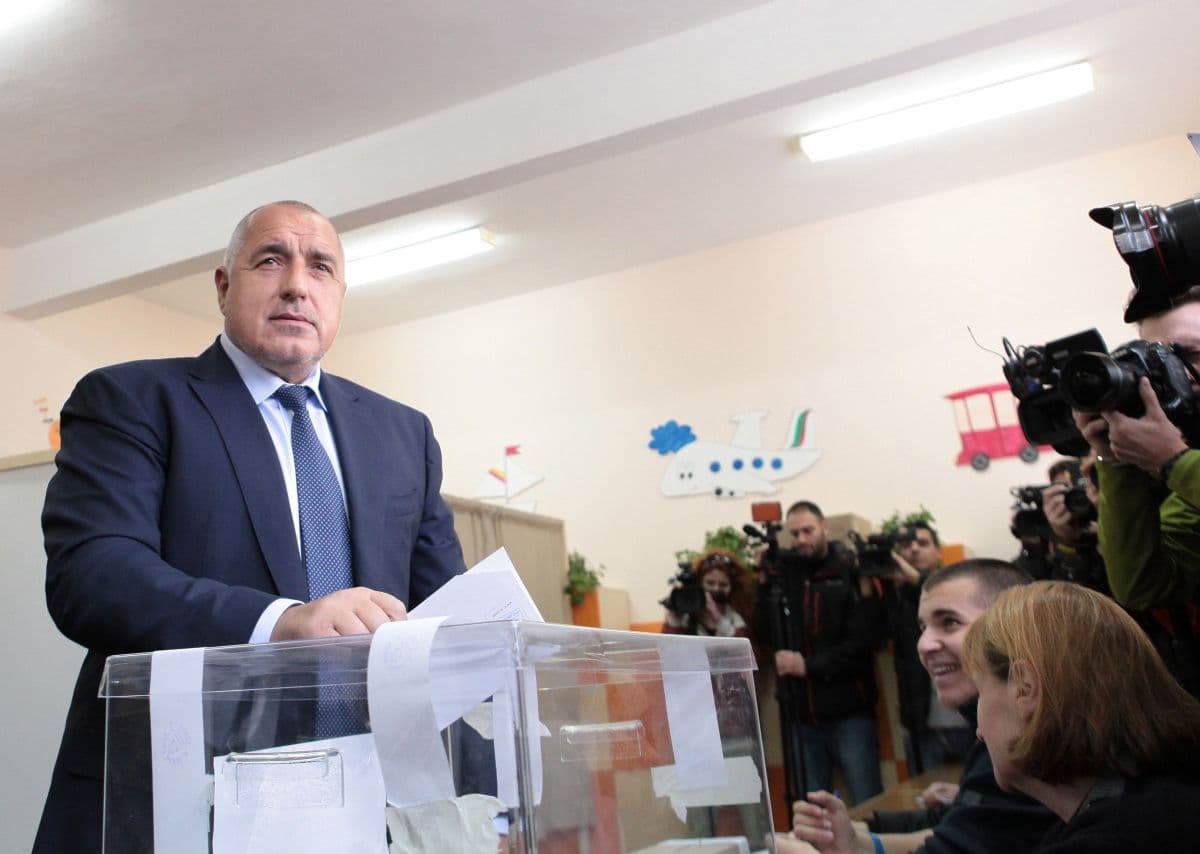
Rumen Radev announced that he will resign the presidency and hand his resignation to the Constitutional Court on Tuesday, a decision that has intensified speculation he will launch a political movement and contest the snap parliamentary elections expected in the coming months. The departure, if validated by the court, would hand interim presidential duties to Vice President Iliana Iotova (also rendered as Iliyana Yotova) while Bulgaria moves toward fresh parliamentary and later presidential ballots.
In a televised address to the nation Radev framed his exit as a stand against entrenched power, saying, "Today is the last time I address you as president" and warning that "today's political class has betrayed the hopes of the Bulgarians." He argued that citizens have lost trust in core institutions, "Bulgarians have stopped voting," he said, and no longer trust the media and the justice system, and called for "a new social contract" to restore statehood and the country's future.
The announcement comes in the shadow of widespread anti-corruption protests that escalated late last year over a proposed 2026 budget and broader grievances about economic mismanagement and oligarchic influence. Those demonstrations helped topple the government that resigned in December, leaving Bulgaria on track for yet another parliamentary vote after a string of short-lived cabinets. The recent government had been a coalition led by the centre-right party GERB; earlier attempts to form a new majority in the current parliament failed.
Radev's decision is politically consequential because his second term was due to run until January 2027, making his resignation a calculated early exit. Political operatives and diplomats note that the timing clears procedural obstacles to his direct participation in legislative contests. In recent months Radev has publicly hinted at forming a political vehicle, saying "people everywhere are demanding it," language that supporters interpret as a signal of imminent party-building.

Radev, 62, a former air force commander elected president in 2016 and reelected in 2021, has often positioned himself as an opponent of corruption and as a steward of interim administrations. Those caretaker roles have repeatedly thrust him into the centre of politics and elevated his national profile, prompting debate about whether his authority can translate into a lasting parliamentary force.
Observers note mixed prospects for any new Radev-led movement. Some analysts cast the move as an opportunity for him to present himself as "a saviour from the chaos," while others caution that personal popularity may not be enough to secure a parliamentary majority in a fragmented party system. Radev's foreign-policy stances have also been controversial; he has questioned Bulgaria's adoption of the euro and described the EU's support for Ukraine as a "doomed cause," statements that complicate relations with Western partners.
The immediate next step is the Constitutional Court's consideration of his resignation. If accepted, Iotova will assume the presidency until a scheduled election in November. Beyond the legal mechanics, Radev's departure crystallises Bulgaria's broader crisis of governance and raises fresh questions about the country's direction within the European Union and NATO as it prepares for another round of pivotal votes.
This article was produced by Prism’s automated news system from verified source data, official records, and press releases, then run through automated quality and moderation checks before publishing. The system is built and supervised by the people who set the standards it runs under. Read our full AI policy.
Did this article answer your question?

