Crimes Against MPs Double Since 2019, Nearing 1,000 Reports Last Year
Crimes against UK MPs have more than doubled since 2019, nearing 1,000 last year, with death threats and online abuse forcing lawmakers to scale back the surgeries and public contact central to democratic representation.
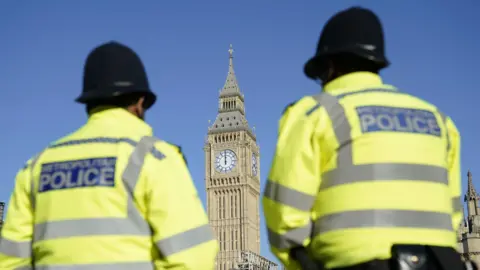
Reports of crimes against Members of Parliament more than doubled between 2019 and last year, when they neared 1,000, a trajectory that has compelled lawmakers to quietly renegotiate the most basic terms of their public role.
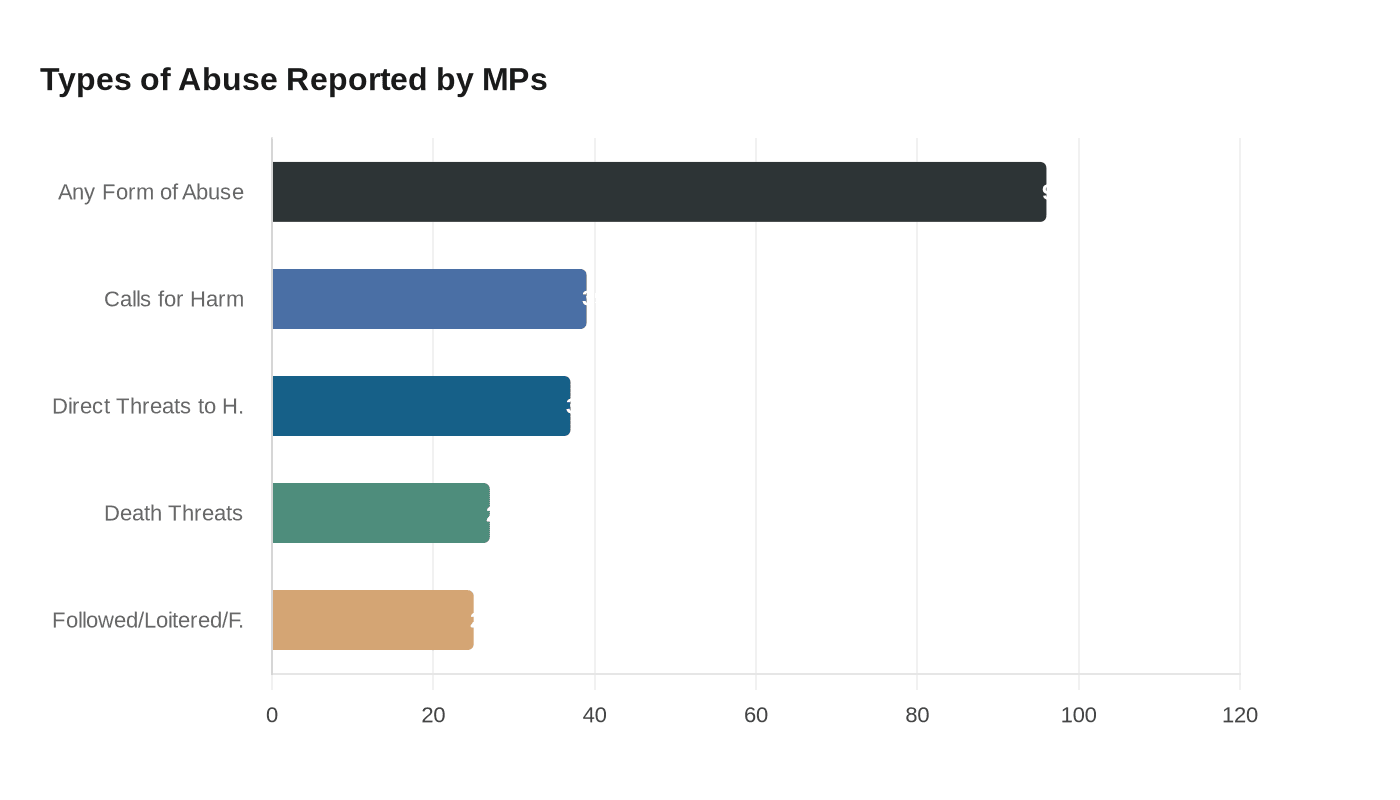
A spring 2025 survey of 224 MPs, commissioned by the Speaker's Conference on the security of MPs, candidates and elections, found 39% had received calls for them to come to harm, 37% had received direct threats to hurt them, and 27% had been sent outright death threats. A quarter reported strangers loitering near their homes or offices, or being followed and filmed. Ninety-six percent of MPs surveyed had experienced some form of abuse, and nearly half said their staff had felt unsafe as a result.
The current level of threats is stifling debate and weakening democracy, the Speaker's Conference concluded. The most visible consequence is the constituency surgery, the weekly open-door session where voters meet their MP face to face. Research published in Parliamentary Affairs documented MPs increasingly adjusting their local surgeries on security grounds in ways that alter how they interact with constituents. The Speaker's Conference was explicit: a further escalation in security measures would lead to a fundamental and undesirable change in the way MPs carry out their roles and engage with their constituents, an implicit acknowledgment that democratic access and personal safety are now in direct competition.
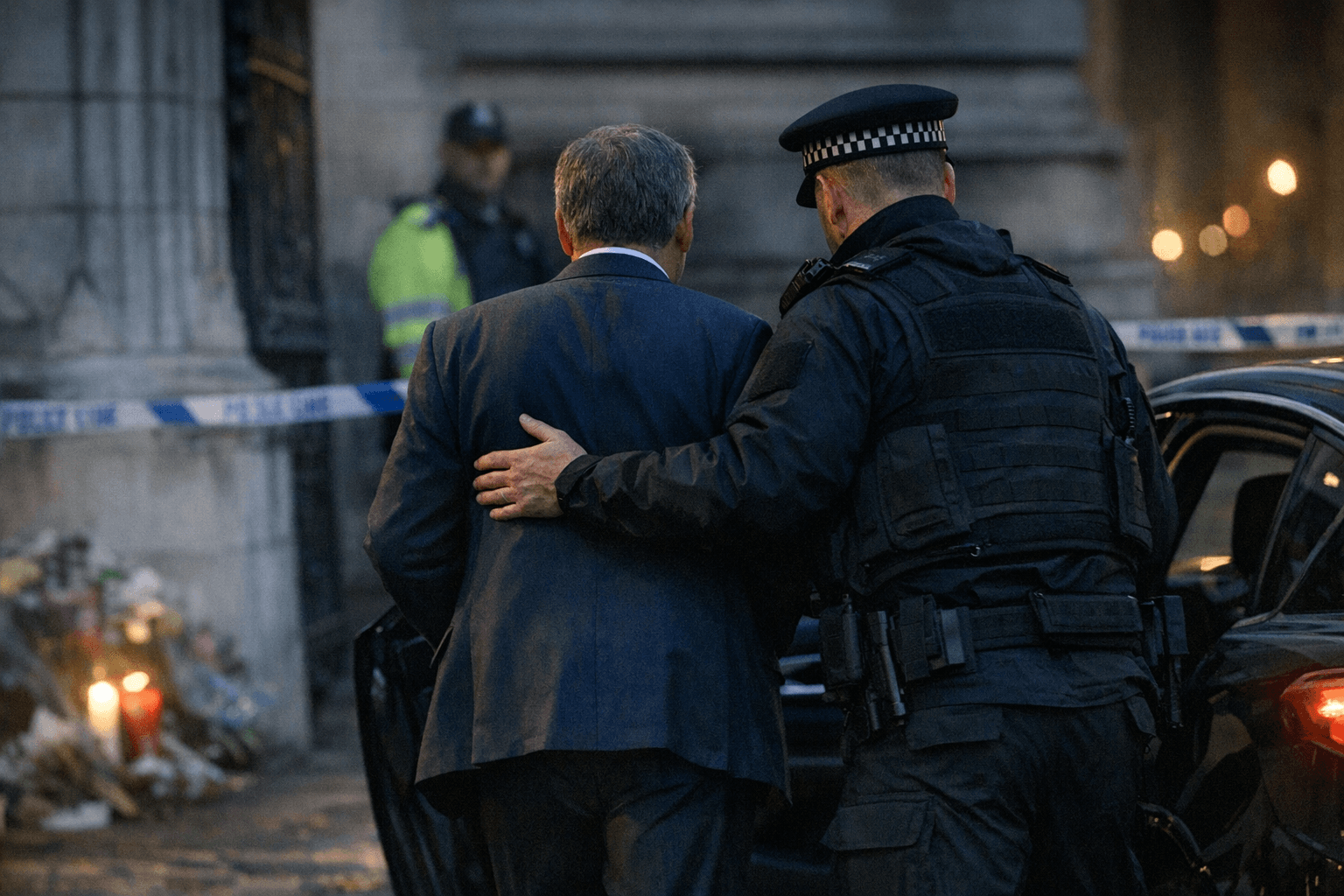
The problem extends well beyond in-person encounters. The Speaker's Conference found that MPs' sense of safety is being significantly undermined by online abuse, against which physical security measures have limited impact. That creates a structural problem for the agencies charged with responding: a plainclothes detail at a surgery can manage a physical threat, but the infrastructure built to protect MPs was designed for a different era of political violence.
Police support for elected officials has expanded considerably since 2016, when Operation Bridger gave every MP a named contact in their local police force to help deal with security issues. Following the Defending Democracy Policing Protocol in February 2024, Operation Bridger was extended to all candidates in general elections, as well as local officials such as councillors, mayors, and Police and Crime Commissioners. A parallel Operation Ford, established in 2024, extended similar coverage to other elected officials. The Metropolitan Police's Parliamentary Liaison and Investigation Team (PLaIT), embedded at Westminster, coordinates national monitoring and investigates London-based cases. In February 2024, the government announced a £31m package of measures designed to boost MPs' security and protect democratic processes more broadly, which funded a new Security Information and Risk Analysis Service team to centralise threat intelligence.
Yet the prosecution pipeline is under scrutiny. Cases against MPs are investigated by the local police force, in line with other crimes, a formulation critics say fails to register the democratic stakes of offences targeting elected representatives. The Speaker's Conference second report, published in October 2025, called for action across government, regulatory bodies, the media, and wider society, with specific recommendations covering social media regulation, sentencing policy, and the criminal justice response.
The burden is not evenly distributed. The Speaker's Conference found that 56% of Black, Asian and minority ethnic MPs and 65% of disabled MPs reported feeling unsafe during the 2024 election period, substantially higher than the overall survey averages. The Electoral Commission's research found that 61% of candidates in the May 2025 elections experienced harassment or security threats during the campaign. Electoral Commission Director Niki Nixon said the findings showed candidates were "changing the way they campaign and may even be deterred from standing for election again."
When crimes reported against MPs stood at 342 in 2018, a Joint Committee on Human Rights inquiry identified that figure as almost certainly an undercount, noting the absence of any central data collection mechanism. With the number now approaching four figures, the counting has improved. The problem has not.
This article was produced by Prism’s automated news system from verified source data, official records, and press releases, then run through automated quality and moderation checks before publishing. The system is built and supervised by the people who set the standards it runs under. Read our full AI policy.
Did this article answer your question?

