Burnham backs away from costly income tax rise, hints at shifts
Burnham has backed away from unfreezing the £12,570 personal allowance, after saying the tax freeze mattered in Makerfield and floating other shifts instead.
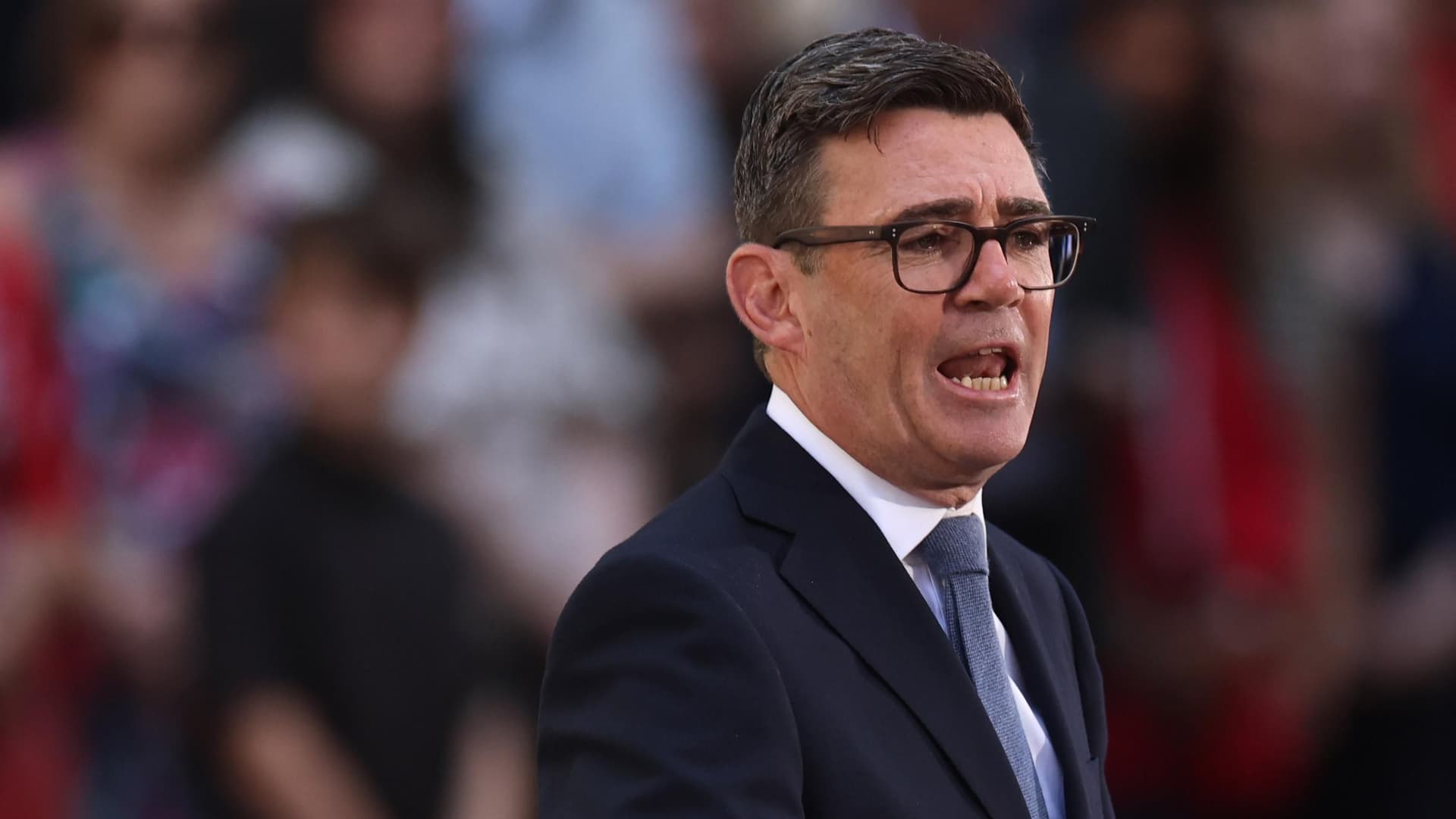
Andy Burnham has stepped back from an increase in the UK income tax personal allowance, after previously treating the freeze as a major issue in Makerfield. He has said there is "some room" for movement on tax, but the direction of travel now points away from a simple lift in the tax-free threshold and toward other ways of reshaping the bill.
The personal allowance has stood at £12,570 since April 2021. In the March 2021 Budget, HM Treasury froze both the personal allowance and the higher-rate threshold until April 2026, then pushed the deadline back to April 2028 and later to 5 April 2031. The Office for Budget Responsibility has said those freezes, along with other reductions in personal tax thresholds between March 2021 and November 2022, increased receipts and drew more taxpayers into different bands through fiscal drag.
That is the central tradeoff Burnham is now navigating. Unfreezing the allowance would give workers more breathing room, but it would also cost the Exchequer money and reopen the question of how any relief would be funded. The political difficulty is sharpened by the pressure on Labour figures to offer cost-of-living help without spelling out where the offset would come from.
Burnham's latest approach suggests he is looking elsewhere for the answer. In coverage of his tax plans, he has floated shifting the burden by raising taxes on the better off or increasing business rates on warehouses, while using the proceeds to cut charges for pubs and some high street businesses. That is a different message from a clean promise to raise the personal allowance, and it leaves more room for the party to argue about fairness while avoiding a direct confrontation with the cost of the policy.
Makerfield shows why the issue has become so sensitive. Burnham had previously said the freeze in the tax allowance was a big issue there. The constituency had an electorate of 76,845 and a 2024 turnout of 52.4%. Labour won 18,202 votes, or 45.2%, while Reform UK won 12,803 votes, or 31.8%, leaving Labour with a majority of 5,399. In that kind of contest, tax relief can be an easy slogan, but the fiscal drag that follows a freeze is harder to explain away.
This article was produced by Prism’s automated news system from verified source data, official records, and press releases, then run through automated quality and moderation checks before publishing. The system is built and supervised by the people who set the standards it runs under. Read our full AI policy.
Did this article answer your question?