Burnham by-election win heightens pressure on Starmer leadership
Andy Burnham’s 54.8% win in Makerfield puts him back in the Commons and hands Labour’s rebels a fresh rallying point against Keir Starmer.

Andy Burnham’s decisive win in Makerfield has turned a routine by-election into a direct test of Keir Starmer’s authority. Burnham took 24,927 votes, 54.8%, while Reform UK’s Rob Kenyon finished on 15,696, 34.5%, in a contest with 58.7% turnout from 77,462 registered electors. The result sends Burnham back to the House of Commons after roughly a decade away and gives Labour’s most prominent internal critic a platform in Westminster at exactly the moment Starmer is under pressure from his own party.
The seat was created after Josh Simons resigned in May 2026 to make way for Burnham, an unusual move that echoes the Leyton by-election of 1965. Burnham had already tried to get back into Parliament earlier in 2026 through Gorton and Denton, only to be blocked by Labour’s National Executive Committee. This time he succeeded in Makerfield, a northern England seat in Wigan, Greater Manchester, converting a carefully managed vacancy into a political comeback that is now being read far beyond one constituency.
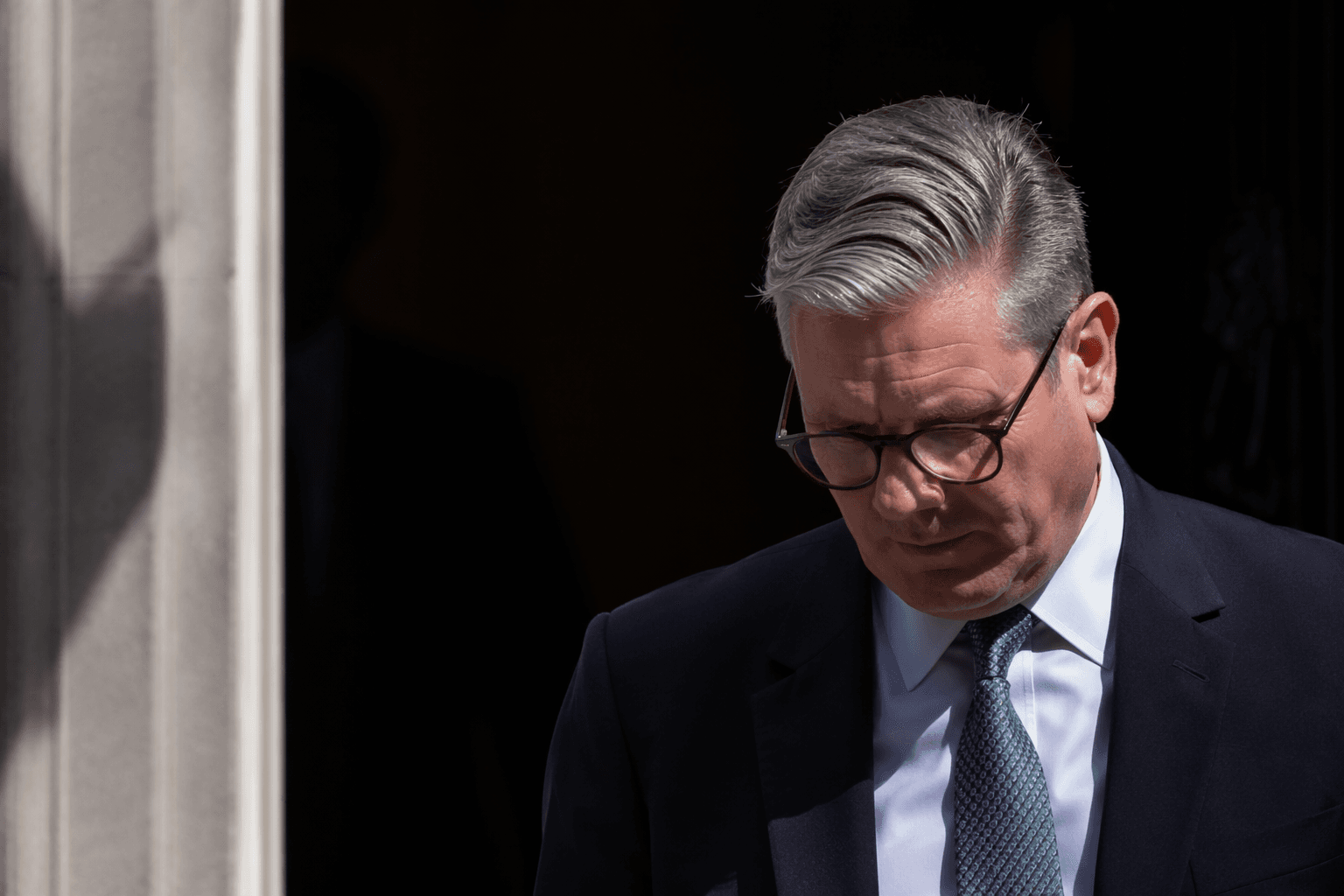
The immediate question is whether Burnham’s victory is only a regional upset or the beginning of a serious leadership challenge. Starmer said he would not “walk away” from any contest and would fight any challenge, while Downing Street said the formal challenge process had not yet been triggered. Under Labour rules, a challenger needs the backing of 20% of Labour MPs to force a contest, a threshold that would require dozens of MPs to break ranks in a party with a large Commons delegation.
That arithmetic matters because the pressure on Starmer is already visible. Nearly 100 Labour MPs, around a quarter of the parliamentary party, have publicly called for him to go after a poor set of local and devolved election results in May 2026. Southport MP Patrick Hurley has been among the latest to add to that chorus. Burnham’s arrival in Westminster does not by itself trigger a contest, but it gives Starmer’s opponents a fresh focal point, while Reform UK, led by Nigel Farage, is left to explain why it could not turn second place into a breakthrough.
This article was produced by Prism’s automated news system from verified source data, official records, and press releases, then run through automated quality and moderation checks before publishing. The system is built and supervised by the people who set the standards it runs under. Read our full AI policy.
Know something we missed? Have a correction or additional information?
Submit a Tip