Canada committee urges indefinite ban on euthanasia for mental illness
Canada’s MAID committee wants mental illness kept outside eligibility rules indefinitely, warning that safeguards still are not ready as a 2027 deadline nears.
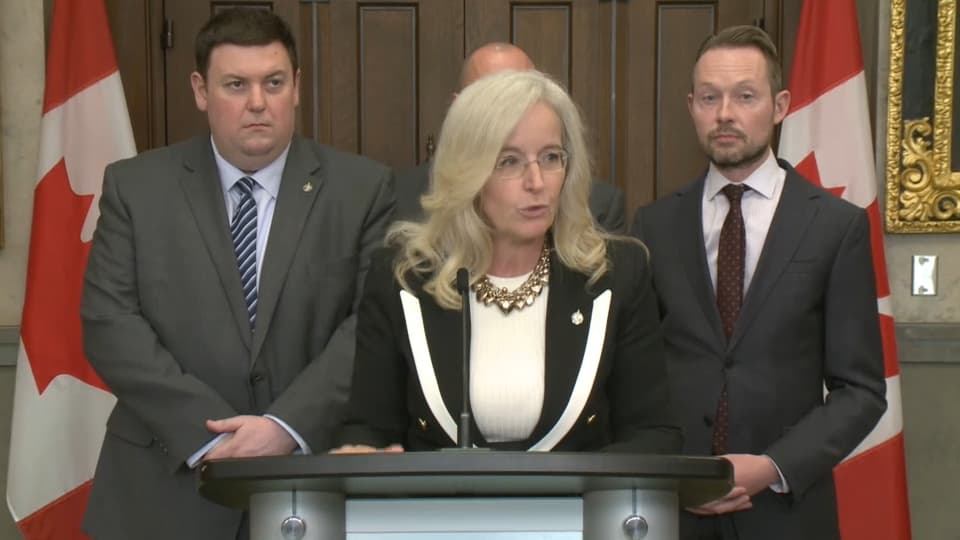
Canada’s parliamentary debate over assisted dying hit a new fault line as a special committee urged the federal government to keep mental illness outside euthanasia eligibility indefinitely. The recommendation lands as lawmakers confront whether Canada is prepared to let people seek medical assistance in dying when a psychiatric condition is the sole underlying illness.
The Special Joint Committee on Medical Assistance in Dying tabled its 88-page report in the House of Commons on June 17, the 10-year anniversary of MAID being legalized in Canada. The panel said testimony showed a “divergence of perspectives” on whether the country is ready to expand access for people with mental illness, while also pointing to a “pressing need for increased and more equitable access to adequate mental health services.”

Under the current schedule, the exclusion for people whose sole underlying condition is a mental illness is set to end on March 17, 2027 unless Parliament intervenes. Canada has already delayed that expansion twice, first in 2023 and then again to the current 2027 deadline, underscoring how politically fraught the issue remains. The committee said it heard from dozens of witnesses during spring hearings, including psychiatrists and European experts from the Netherlands, Belgium and Luxembourg.
The report effectively asks Parliament to draw a firmer line. Its recommendation would permanently bar MAID for requests based exclusively on psychiatric suffering, reflecting concern that doctors could struggle to assess decisional capacity, prognosis and whether a mental illness is truly enduring enough to support an irreversible decision. Supporters of expansion argue that some people with severe, long-lasting mental illness face intolerable suffering and should have the same autonomy as other MAID applicants. Opponents say psychiatric conditions can fluctuate, can be treatable and may cloud judgment at the very moment a patient is deciding whether to die.
Justice Minister Sean Fraser said he would review the report and the evidence behind it before deciding next steps, while Prime Minister Mark Carney had said he would wait for the committee’s findings before acting. The government must respond by July 11.
The recommendation drew sharp criticism from Dying With Dignity Canada, which said the witness list was tilted toward opponents of expansion. Some committee members also issued dissenting views, arguing the process was biased and fundamentally flawed. Conservative MPs welcomed the call for a permanent exclusion, with one calling the expansion “reckless and dangerous,” while senator Kristopher Wells said the committee’s inputs were flawed and questioned the report’s credibility. The fight now shifts back to Parliament, where lawmakers must decide whether caution or further expansion will define Canada’s next phase of assisted-dying law.
This article was produced by Prism’s automated news system from verified source data, official records, and press releases, then run through automated quality and moderation checks before publishing. The system is built and supervised by the people who set the standards it runs under. Read our full AI policy.
Know something we missed? Have a correction or additional information?
Submit a Tip