Burnham cuts VAT on electricity bills, saving households about £45 a year
Households will save about £45 a year as VAT on electricity bills falls to 0%, but the cut is narrowly targeted and won't apply in Northern Ireland.
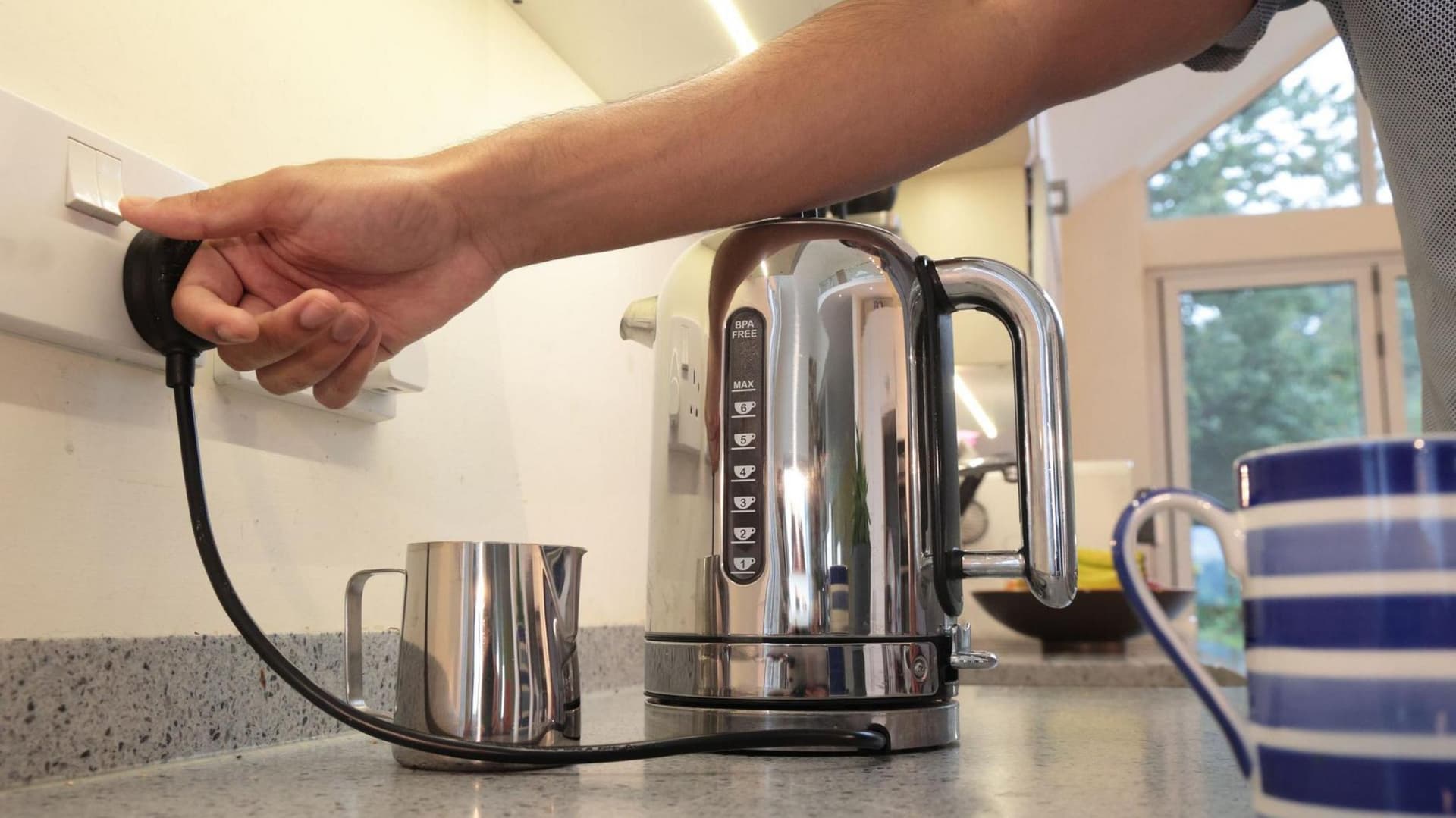
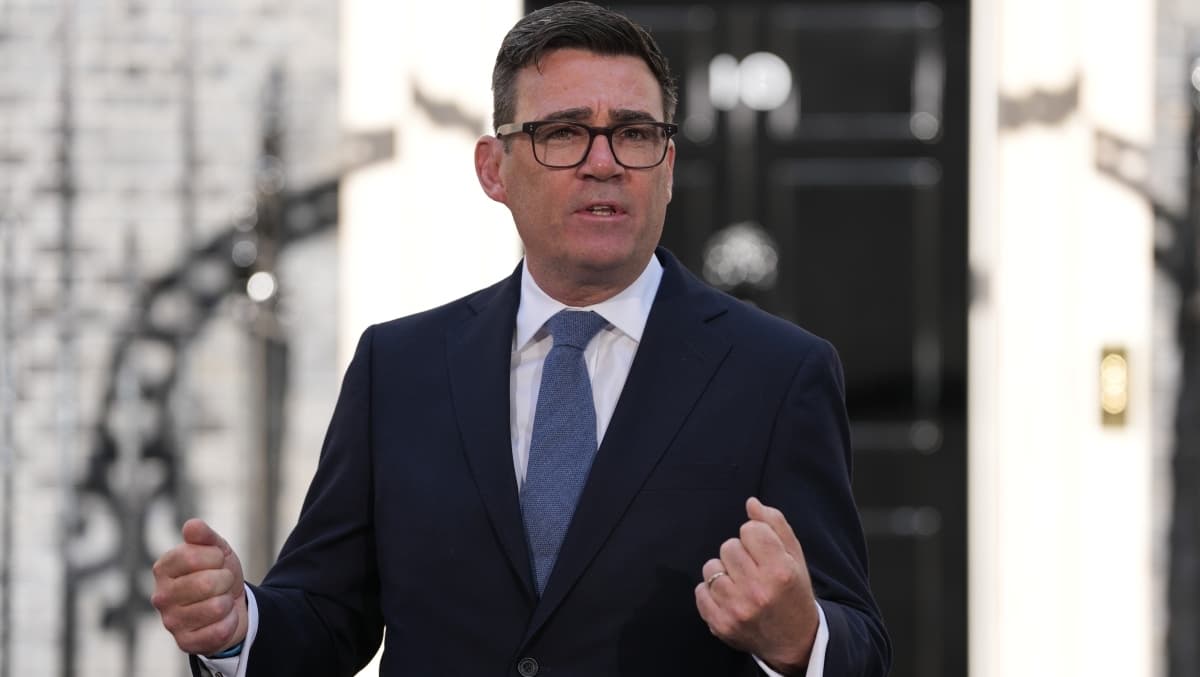
Andy Burnham cut VAT on household electricity bills from 5% to 0% on his first full day as prime minister, with the BBC saying a typical household would save about £45 a year. The reduction was due to take effect on 1 October and was presented as an early cost-of-living move meant to give families more “breathing space”.
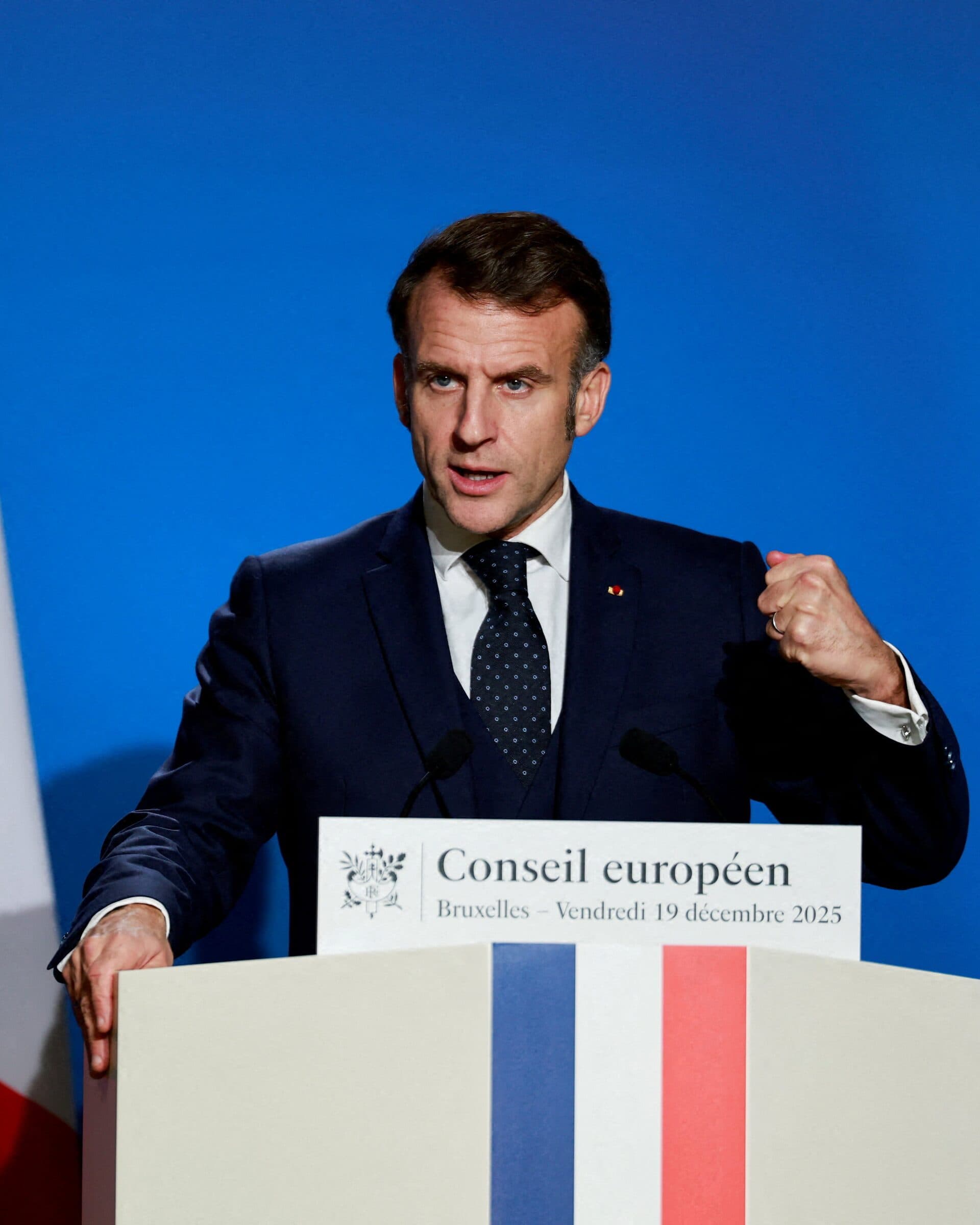
Ministers said the cut would be paid for by scrapping the government-issued digital ID programme, which had been costed at £1.8bn. The policy did not cover Northern Ireland, where Stormont ministers were to receive extra money from the UK government instead.

The announcement immediately raised questions about whether the tax cut was fully funded. The Independent said Burnham faced criticism over the pledge amid speculation about a possible wealth tax, while Burnham also told his first cabinet meeting that his government would show how it was paying for policies after complaints about an “unfunded” tax cut.
Energy policy analysts argued the gain for households was modest. The Institute for Fiscal Studies said the move would deliver only small cuts to electricity bills and was not well targeted, a warning that went to the heart of how much relief a £45 annual saving can provide against broader energy costs.
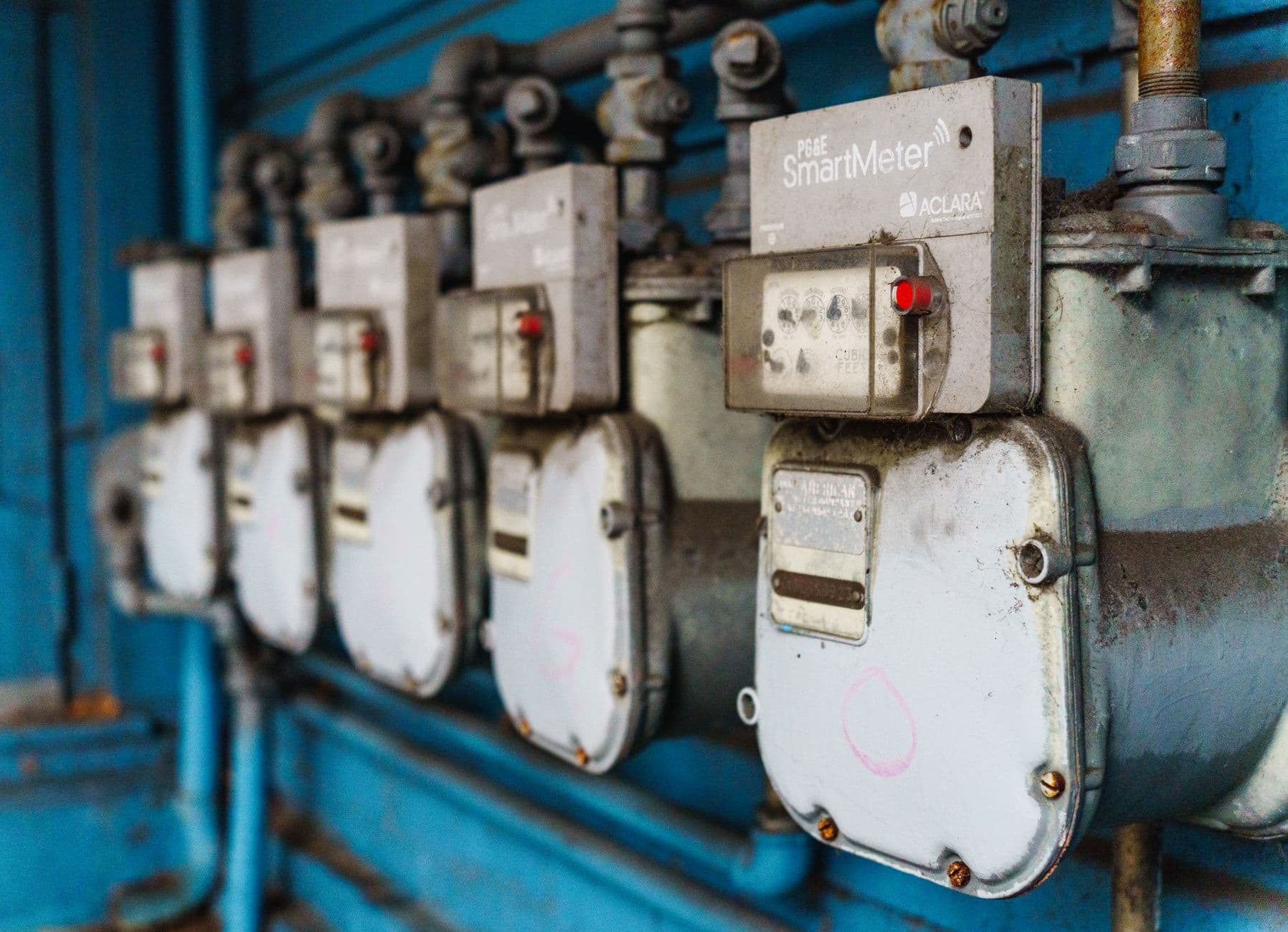

Consumer groups welcomed the direction but not the scale. National Energy Action said the policy was “the start we wanted to see” in tackling fuel poverty, signalling support for a wider agenda even as the immediate benefit remained limited. The cut was Burnham’s first major cost-of-living move after his opening speech promised help with living costs and more policies on his first full day in office.
This article was produced by Prism’s automated news system from verified source data, official records, and press releases, then run through automated quality and moderation checks before publishing. The system is built and supervised by the people who set the standards it runs under. Read our full AI policy.
Did this article answer your question?