Burnham faces cost-of-living, immigration and economy crises on day one
Burnham took over No 10 as Britain’s seventh prime minister in a decade, with Labour and Reform level in new polling and voters still squeezed by rising costs.
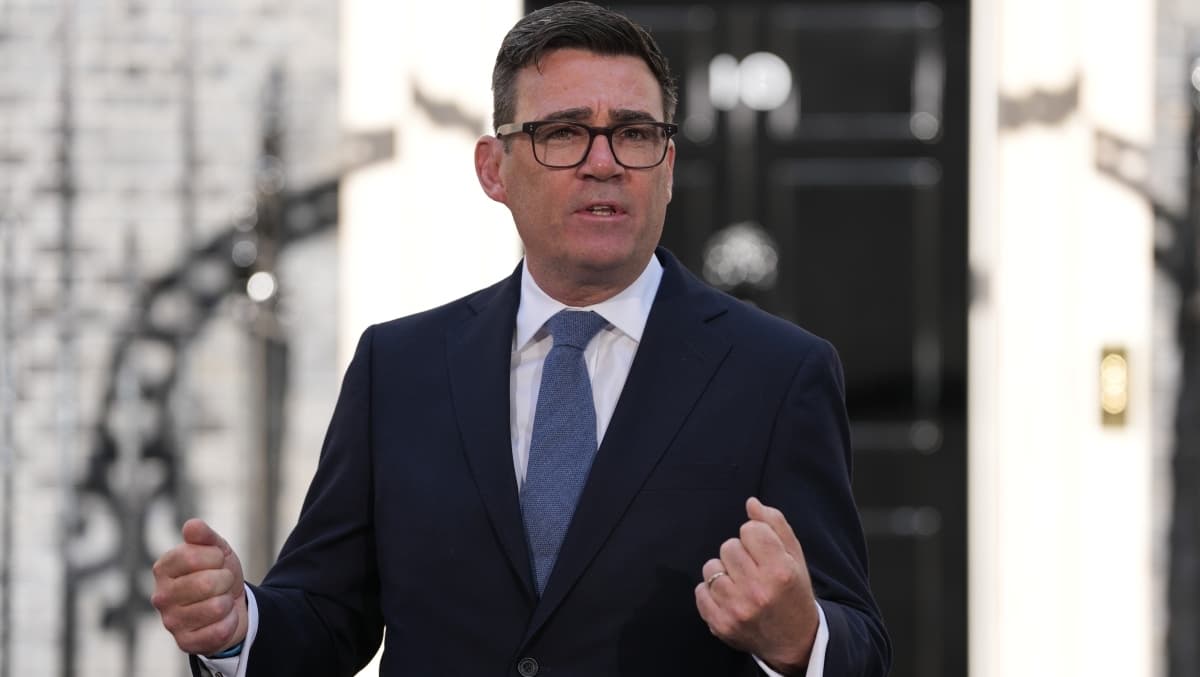
Andy Burnham entered No 10 Downing Street on Monday with a pledge to tackle the cost-of-living crisis and end political instability, but he inherited a long list of problems that successive governments have tried, and mostly failed, to solve. Britain’s seventh prime minister in a decade took over from Keir Starmer just two years after Starmer won a landslide election victory, a turnover rate that underlines how little time Burnham has to settle in.
The most immediate test is the economy. Burnham’s first speech outside Downing Street promised major changes and a “new economic model”, while Reuters said his approach points to a more interventionist state. The Times said the new prime minister needs to get Britain growing and cut the crippling cost of doing business, a combination that leaves Burnham juggling higher spending demands, pressure on taxes and the risk of unsettling business before any recovery takes hold.

Cost of living is the second front, and the one most likely to define how quickly voters judge him. Al Jazeera said people across the United Kingdom are preoccupied with the weak economy, rising living costs and immigration, and Burnham’s promise to “bring back hope” will be measured against household bills, wages and the gap between his campaign language and daily reality. If he moves fast enough to show relief, he may have to divert money from other priorities or accept a sharper political fight over where the savings come from.
Immigration is the third pressure point, because it cuts straight into party unity and public trust. Burnham pledged to end political instability even as populist forces make gains, but More in Common’s July 2026 polling shows Labour and Reform neck-and-neck in a hypothetical election with Burnham as leader. The same polling found Burnham is viewed positively by Labour switchers, a majority of Britons have not yet formed a strong opinion of him, and more than two in five now favour radical rather than incremental change.
That gives Burnham a narrow window to set the terms of his premiership. BBC Verify said the problems in front of him are the kind that have absorbed successive governments without clear success, and the first 100 days will show whether his promise of a new direction can survive the same forces that have broken so many recent premiers: weak growth, public frustration and a political centre that is still moving under his feet.
This article was produced by Prism’s automated news system from verified source data, official records, and press releases, then run through automated quality and moderation checks before publishing. The system is built and supervised by the people who set the standards it runs under. Read our full AI policy.
Did this article answer your question?