Burnham names Labour cabinet as Starmer loyalists are ousted
Burnham moved quickly to sideline Starmer loyalists and install a cabinet that he said would reflect all parts of Labour. The Treasury pick is now the clearest test of how much control he really has.
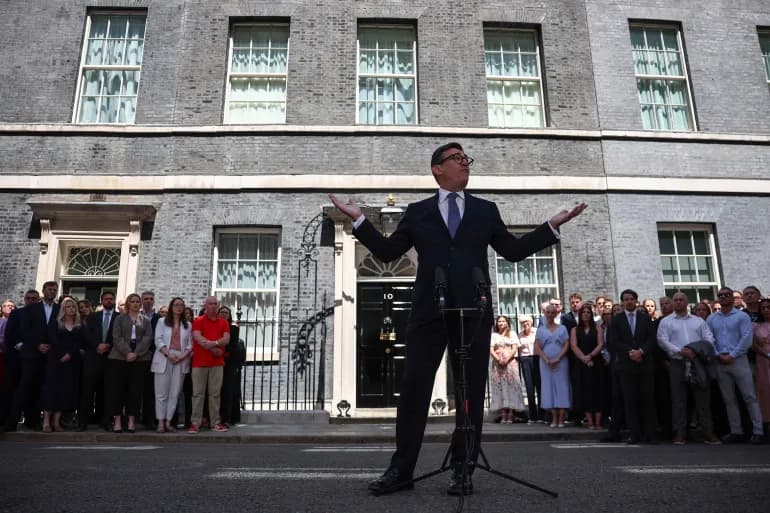
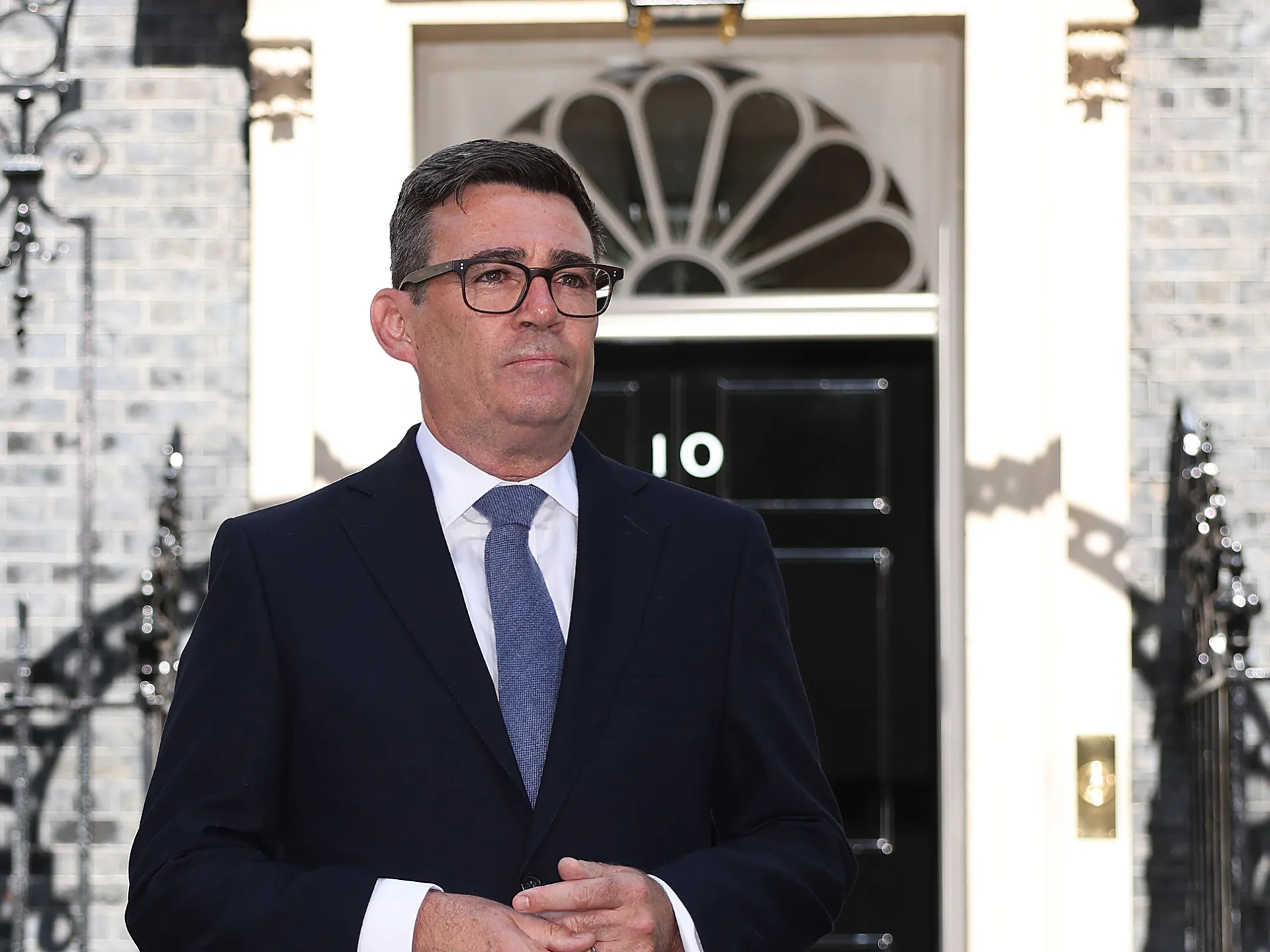
Andy Burnham formally asked King Charles III to form a new government and quickly began remaking Labour’s top table, ending Keir Starmer’s era with a cabinet that is meant to show reach across the party. In his first speech outside 10 Downing Street, Burnham promised a “circuit breaker” for a system that has taken wrong turns since the 1980s, pledged to end street sleeping by homeless people and said he would “build a new economy”.
The speed of the clear-out matters as much as the personnel. Burnham came in with the backing of 349 MPs, a sizeable mandate by Westminster standards, and used it to push Starmer loyalists out of the inner circle before they could shape the new administration. After a week of infighting, the message from the reshuffle is that loyalty to the previous prime minister will not buy influence in Burnham’s government.
The main battle now sits in the Treasury. The choice of chancellor is already shaping up as the first defining decision of the premiership, because it will set the balance between fiscal caution and Burnham’s promise to “build a new economy”. For Washington, that appointment will matter beyond domestic politics: it will influence how Britain talks about trade, how much room it has to fund defense, and whether the new government presents itself as a close transatlantic partner or a more interventionist, state-led one.
Burnham said his cabinet would reflect “all parts of the Labour Party”, a line aimed at calming factional rivalries even as he rearranged them. That is the central calculation of this government, which has to reconcile ministers linked to the old Starmer order with MPs who see Burnham as a break from years of drift. The challenge is not just representing Labour’s different wings, but keeping them inside the tent long enough to govern.
The stakes are unusually high because Burnham became Britain’s seventh prime minister in just over a decade, a measure of how unstable the country has been since the Brexit vote in 2016. His first cabinet choices will show whether he has built a durable governing coalition or simply opened another turn in the cycle of turnover that has defined British politics since then.
This article was produced by Prism’s automated news system from verified source data, official records, and press releases, then run through automated quality and moderation checks before publishing. The system is built and supervised by the people who set the standards it runs under. Read our full AI policy.
Did this article answer your question?