Burnham pledges cost-of-living help, vows to show how it will be paid for
Burnham tied £2 bus fares and cheaper electricity to scrapping Keir Starmer's digital ID scheme, but Darren Jones said the saving was not costed enough.
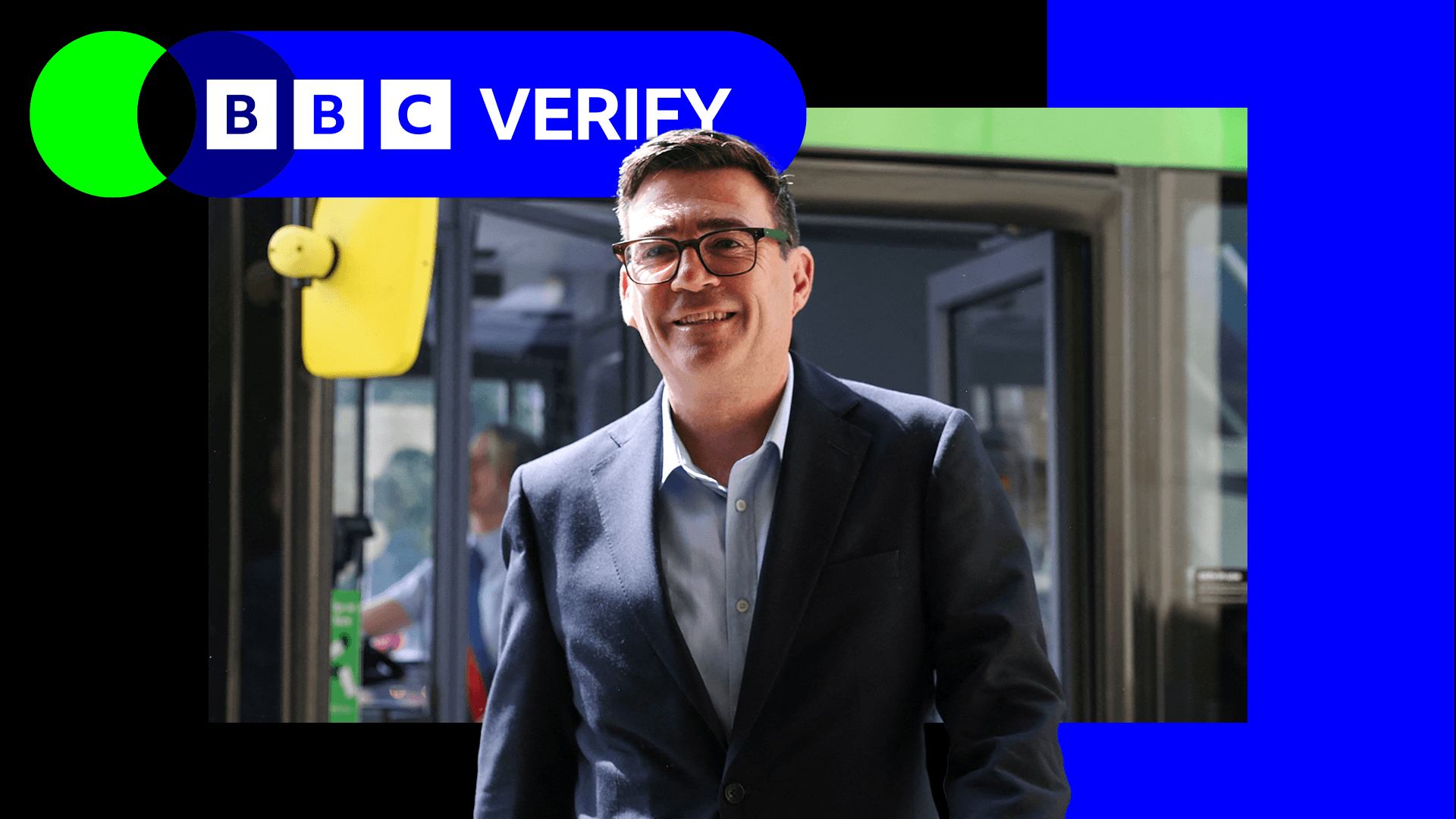
Andy Burnham pledged a £2 cap on single bus fares across England and a cut in VAT on household electricity bills as he opened his first week in Downing Street with cost-of-living measures. The electricity move was said to save a typical household about £45 a year, but the funding was tied to scrapping Keir Starmer's digital ID scheme, which former minister Darren Jones said was not a sufficiently costed saving.
In his first speech as prime minister, Burnham also pledged to end rough sleeping in the country and said his government would show how it was "going to pay" for policies during his first cabinet meeting. He described his administration as a "cost of living government" and told ministers they must be "prepared to make difficult decisions", then said later that he would announce new support as the cabinet met for the first time.
Burnham's transport pledge came with a start date: on 22 July 2026, he announced the £2 single-fare cap would begin from January. He said the move would help "put money in people's pockets" and did not rule out targeted support for the lowest earners, while also saying a review of the personal tax allowance threshold could be considered.
The early package carried the imprint of Burnham's years as mayor of Greater Manchester. His pledges to end rough sleeping and cap bus fares sounded familiar to people who saw those policies in city-region government, raising the question of how much of his national programme is new and how much is a larger version of what he already tried locally. Burnham had promised a 10-year plan for the country, but the first-week spending commitments still hinge on whether the digital ID saving holds up under scrutiny and whether the promised support can be paid for without leaving the numbers exposed.
This article was produced by Prism’s automated news system from verified source data, official records, and press releases, then run through automated quality and moderation checks before publishing. The system is built and supervised by the people who set the standards it runs under. Read our full AI policy.
Did this article answer your question?