Gen Z protests in India challenge Modi’s grip online and on the streets
Police used batons and tear gas on student protesters in New Delhi, but the Gen Z campaign kept marching. Memes and videos are now battering Modi’s online dominance.
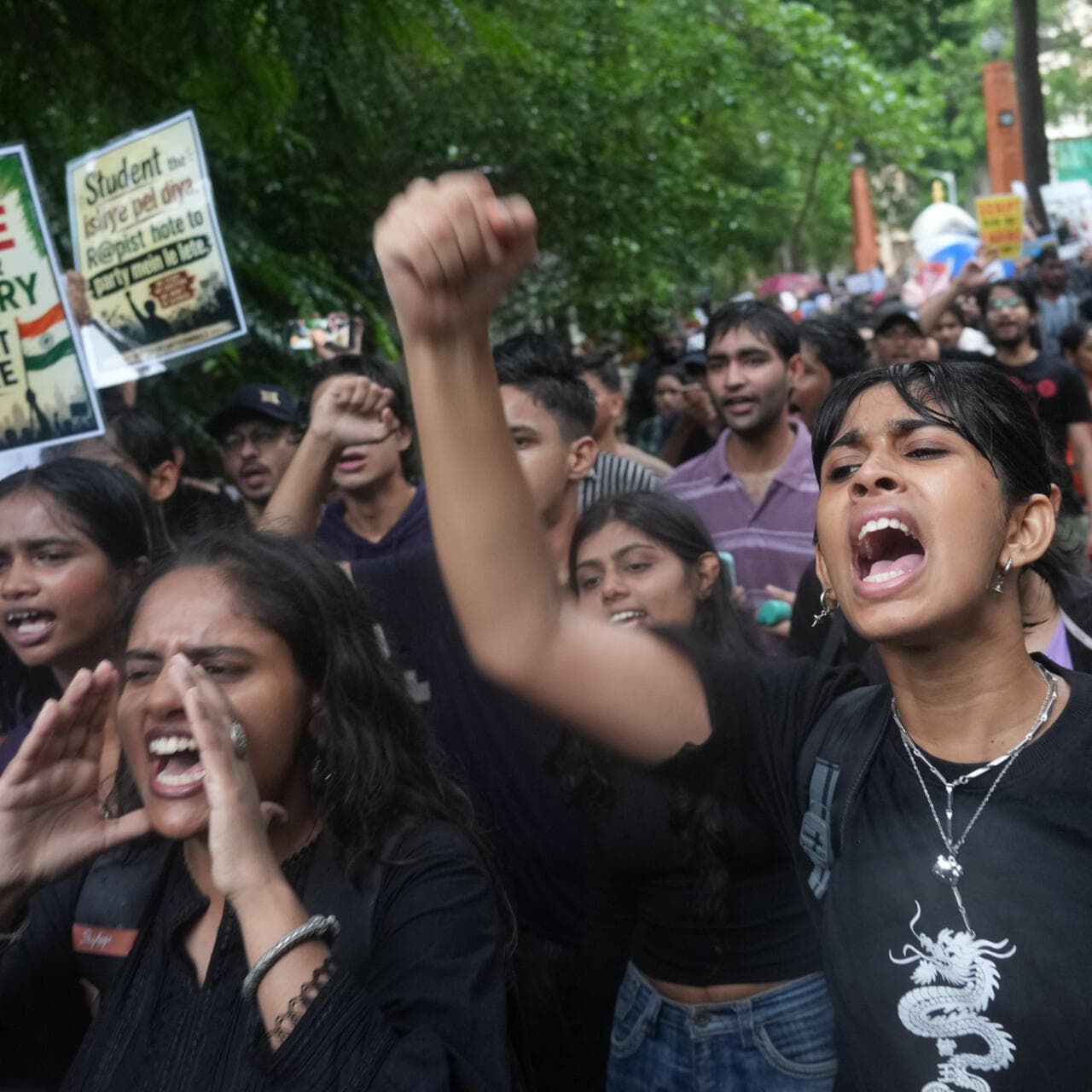
Police used batons and tear gas shells against students marching toward parliament in New Delhi, leaving 180 people injured as the crowd pressed its demand for education reform. The clashes did not end the protest, which continued afterward and turned a campus grievance into a direct challenge to Prime Minister Narendra Modi’s political image.
The demonstration centered on anger over exam fraud, a shortage of opportunities for young Indians and frustration with a system many students see as rigged against them. Protesters also called for the resignation of Education Minister Dharmendra Pradhan, putting the government’s handling of schools and exams at the center of a broader youth revolt. Under the pressure, Pradhan later promised reforms and debate.
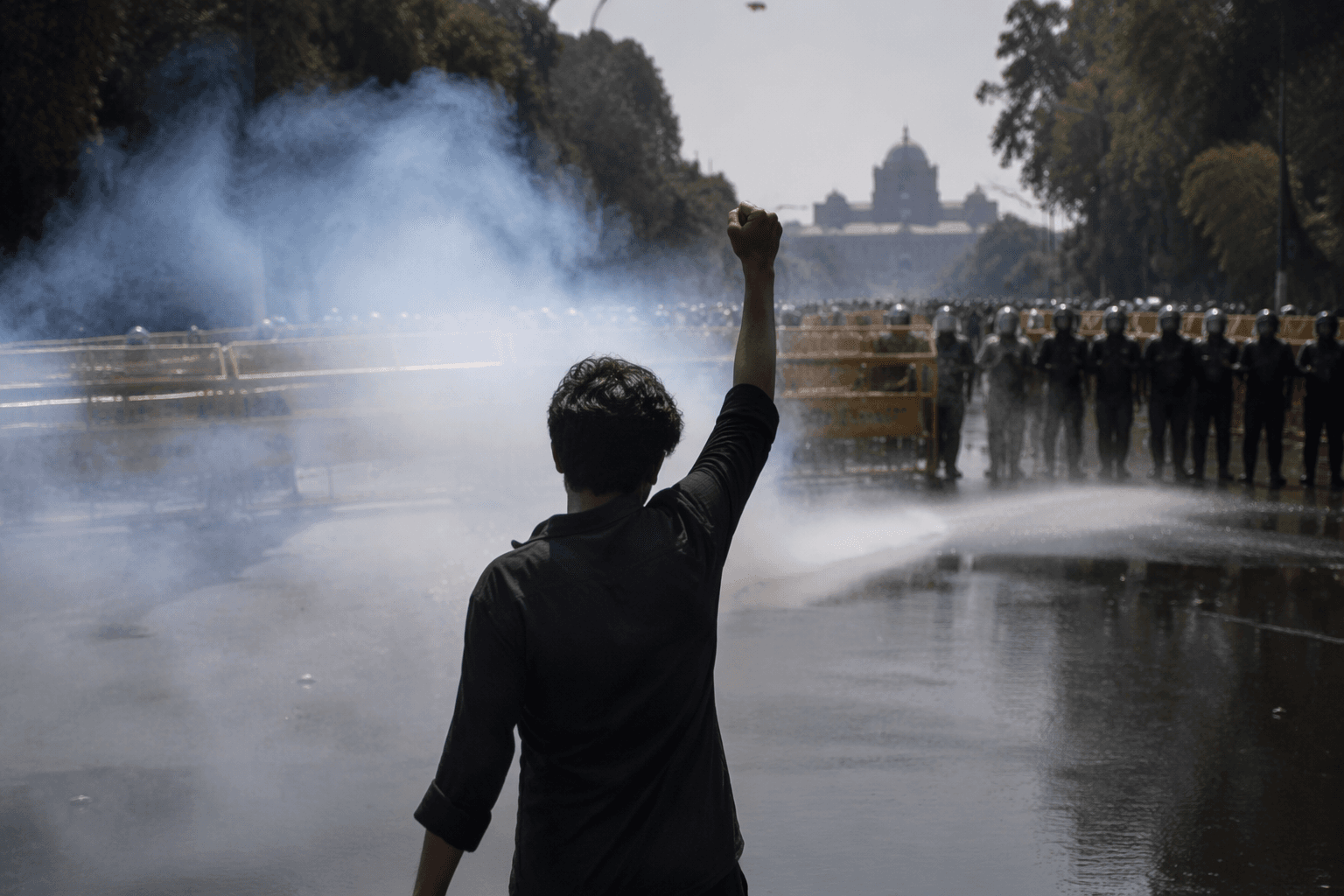
What gave the movement its edge was not just the size of the crowd on the street but the way students organized online. NPR described the self-styled Gen Z Cockroach People’s Party as a satire that became serious about change, a label that captures how quickly the protests moved from joke to political threat. The group’s memes, short videos and online branding helped turn scattered anger over exam leaks into a message that traveled fast across phones and social platforms.
That digital reach matters because Modi and his party have spent 12 years dominating Indian social media. Now young protesters are using the same platforms against him, pushing their own clips and satire into the public feed faster than formal opposition parties can respond. The result is a contest over political legitimacy that is playing out both outside parliament and inside the internet’s most crowded spaces.
The Indian protests also echo a recent model elsewhere in South Asia. In Nepal, youth protests in September 2025 erupted after a government ban on major social media platforms, showing how quickly digitally coordinated Gen Z anger can spill into the streets and force political elites to react. India’s unrest is not a copy of that movement, but the comparison has sharpened attention on whether meme culture and decentralized video storytelling can puncture a leader’s message discipline before state-backed narratives close ranks.
For Modi, the test is no longer limited to the streets of New Delhi. It is whether a generation raised on phones can keep turning satire into political pressure long enough to reshape the terms of public power.
This article was produced by Prism’s automated news system from verified source data, official records, and press releases, then run through automated quality and moderation checks before publishing. The system is built and supervised by the people who set the standards it runs under. Read our full AI policy.
Did this article answer your question?