Burnham weighs North Sea drilling as first-week policy blitz begins
Burnham’s opening days paired a North Sea drilling test with a return of the £2 bus fare cap and a pledge to end rough sleeping.
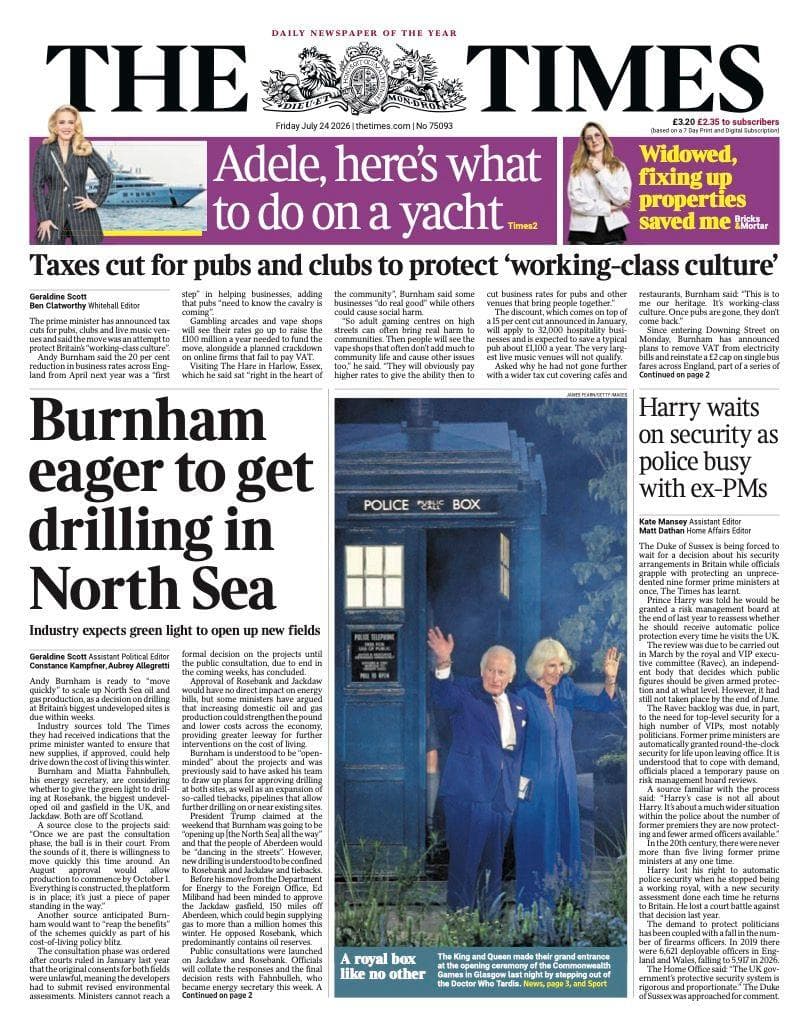
Andy Burnham’s first week in Downing Street opened with a test of whether his government would follow Labour’s climate promises or move quickly toward new North Sea oil and gas drilling. The party’s 2024 manifesto had pledged not to issue new licences while honouring existing ones, yet Burnham was already being pushed toward a decision that could define his economic and political direction before his team had settled in.
In his first speech outside No 10 after replacing Sir Keir Starmer as Labour leader and prime minister in July 2026, Burnham promised the public “more breathing room” and said he would set out a new 10-year plan for Britain by the end of the year. He also made the fight against homelessness central to the opening message, pledging to “end rough sleeping” in England. Supporters outside Downing Street greeted that commitment with cheers, while Burnham spent the day visiting a homeless shelter, meeting King Charles III at the palace and then appearing outside Downing Street.
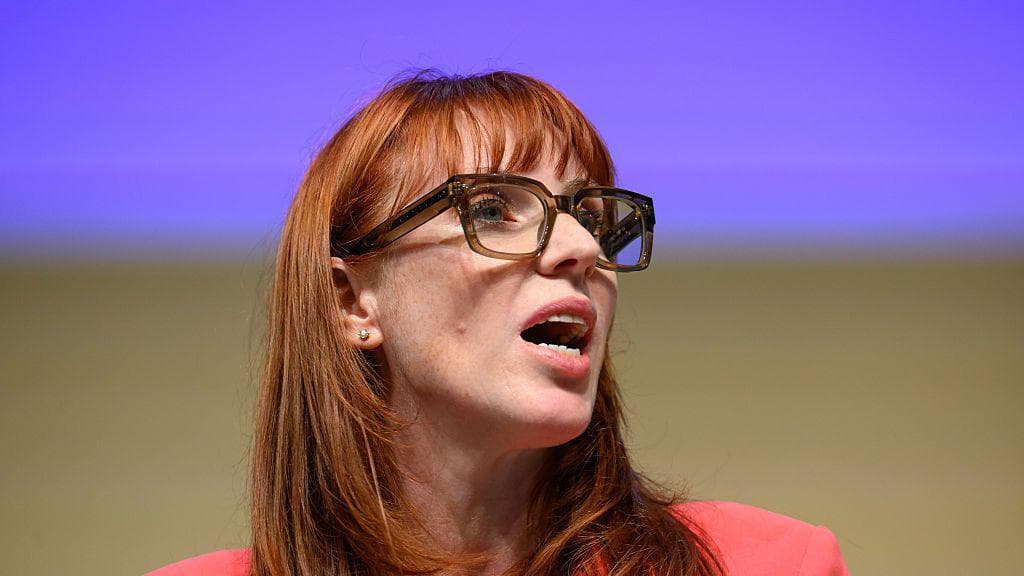
The first cabinet moves reinforced the sense that Burnham wanted to show speed as well as style. ITV reported that he appointed John Healey as Chancellor and Ed Miliband as Foreign Secretary, while Shabana Mahmood stayed as Home Secretary and Angela Rayner moved to Housing Secretary. The choices gave Burnham a mix of continuity and reset, with senior posts distributed immediately around the policy themes he chose to foreground.
Cost of living was another part of the opening pitch. Burnham announced the return of the £2 bus fare cap in most of England, a move that landed fast but instantly raised questions about how it would be paid for. That decision, alongside the homelessness pledge, suggested a government intent on showing early relief to households before setting out the longer economic plan he promised by the end of the year.
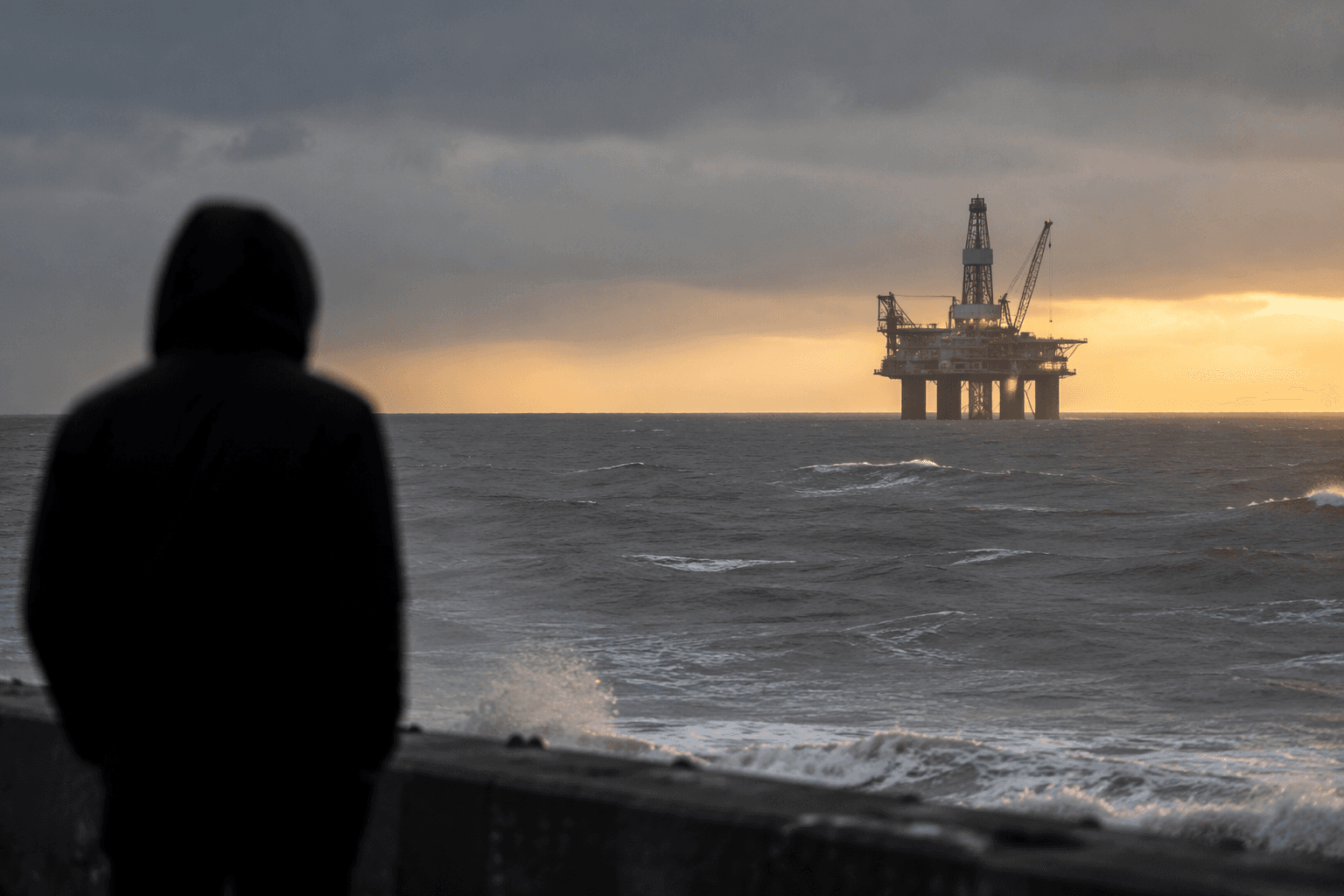
The sharpest political risk remained North Sea drilling. Critics in Scotland argued that tens of thousands of jobs could depend on the decision, putting Labour’s climate credentials against pressure from energy workers and voters worried about security of supply. Burnham’s early moves have therefore become more than a first-week media burst: they are a signal of whether he intends to govern through symbolic gestures, or whether the opening days of his premiership will settle into a substantive policy shift.
This article was produced by Prism’s automated news system from verified source data, official records, and press releases, then run through automated quality and moderation checks before publishing. The system is built and supervised by the people who set the standards it runs under. Read our full AI policy.
Did this article answer your question?